

The Ghost of Drift Past
Nintendo’s Switch 2 has barely landed in players’ hands, and the conversation has already shifted from excitement about new features to a familiar anxiety: will the Joy-Con 2 controllers drift, just like their predecessors did for millions of players worldwide?
Why Drift Was Never Really Fixed
The original Joy-Con drift problem was never cleanly resolved. Nintendo offered free repairs under pressure, quietly settled class action lawsuits in multiple countries, and released a revised Joy-Con design, but the root cause – the physical degradation of potentiometer-based thumbstick sensors – was never publicly addressed with a confirmed hardware solution. Players who lived through multiple repair cycles and replacement controllers remember this clearly, and that memory is coloring how they’re looking at Joy-Con 2 right now.
The Joy-Con 2 uses a new magnetic Hall effect sensor system for its thumbsticks, which Nintendo described in its pre-launch materials. Hall effect sensors work by detecting changes in a magnetic field rather than relying on physical contact between components, and because there’s no direct wear on the sensing mechanism, the theoretical lifespan is significantly longer. On paper, this is the fix fans have been demanding for years. The reality of how that technology performs under sustained daily use across millions of units is still completely unknown.
That gap between theory and real-world longevity is where early adopter anxiety lives. Nintendo has not released any data on the expected operational lifespan of the new sensors, nor has it made any formal warranty commitments specifically addressing drift on the Switch 2. The company’s track record with the original Joy-Con left players conditioned to be skeptical of hardware promises that weren’t backed by publicly documented engineering changes.
Hall effect sticks have been used in third-party controllers for several years, and the broader gaming community’s experience with them in those products has generally been positive. GuliKit, a controller manufacturer that built its reputation largely on Hall effect technology, has reported minimal drift complaints compared to traditional potentiometer designs. That’s a meaningful data point, but Nintendo’s implementation, manufacturing scale, and the specific physical form factor of the Joy-Con 2 make direct comparisons imprecise.
The Early Adopter Condition
Social media threads about Joy-Con 2 drift started appearing within days of the Switch 2’s launch. Some players reported subtle cursor movement in menus without touching the stick. Others described what felt like slight input lag or dead zone inconsistencies. A portion of these reports are almost certainly calibration issues or software behavior rather than hardware failure, but the volume of posts reflects how sensitized the Nintendo audience has become to any sign of controller problems after years of dealing with the original Joy-Con situation.
Nintendo’s customer support infrastructure is already receiving Switch 2 controller inquiries. Without aggregate data on how many of those contacts involve actual hardware defects versus user error or software quirks, it’s impossible to characterize the scope of the issue – if there is one. What’s clear is that player tolerance for any drift-adjacent symptoms is extremely low, and that zero-tolerance threshold means even minor, possibly normal controller behavior is being flagged and amplified online.
The psychological weight here matters. Players who spent money replacing Joy-Cons, who dealt with Nintendo’s originally dismissive customer service responses, and who waited years for a hardware fix they weren’t sure was ever coming are now evaluating every stick interaction on a new $80 controller with the full weight of that history. A slight drift in a menu screen reads differently to someone who’s been through the original Joy-Con cycle than it would to someone picking up Nintendo hardware for the first time.
There’s also the pricing factor adding pressure to this anxiety. Joy-Con 2 controllers cost more than their predecessors at launch. Players paying a premium price for what is supposed to be an improved product have a higher expectation threshold. If drift does emerge as a pattern, the financial sting will be sharper than it was during the original Switch generation, and the community backlash will likely arrive faster and louder given how prepared players are to sound the alarm.
Nintendo’s response strategy, if drift reports escalate, will be closely watched. The company’s initial handling of the original Joy-Con problem – downplaying reports, slow acknowledgment, and repair programs that many players found inadequate – became a significant reputational issue. A faster, more transparent response this time could limit the damage. A repeat of the same playbook almost certainly cannot.
What Comes Next
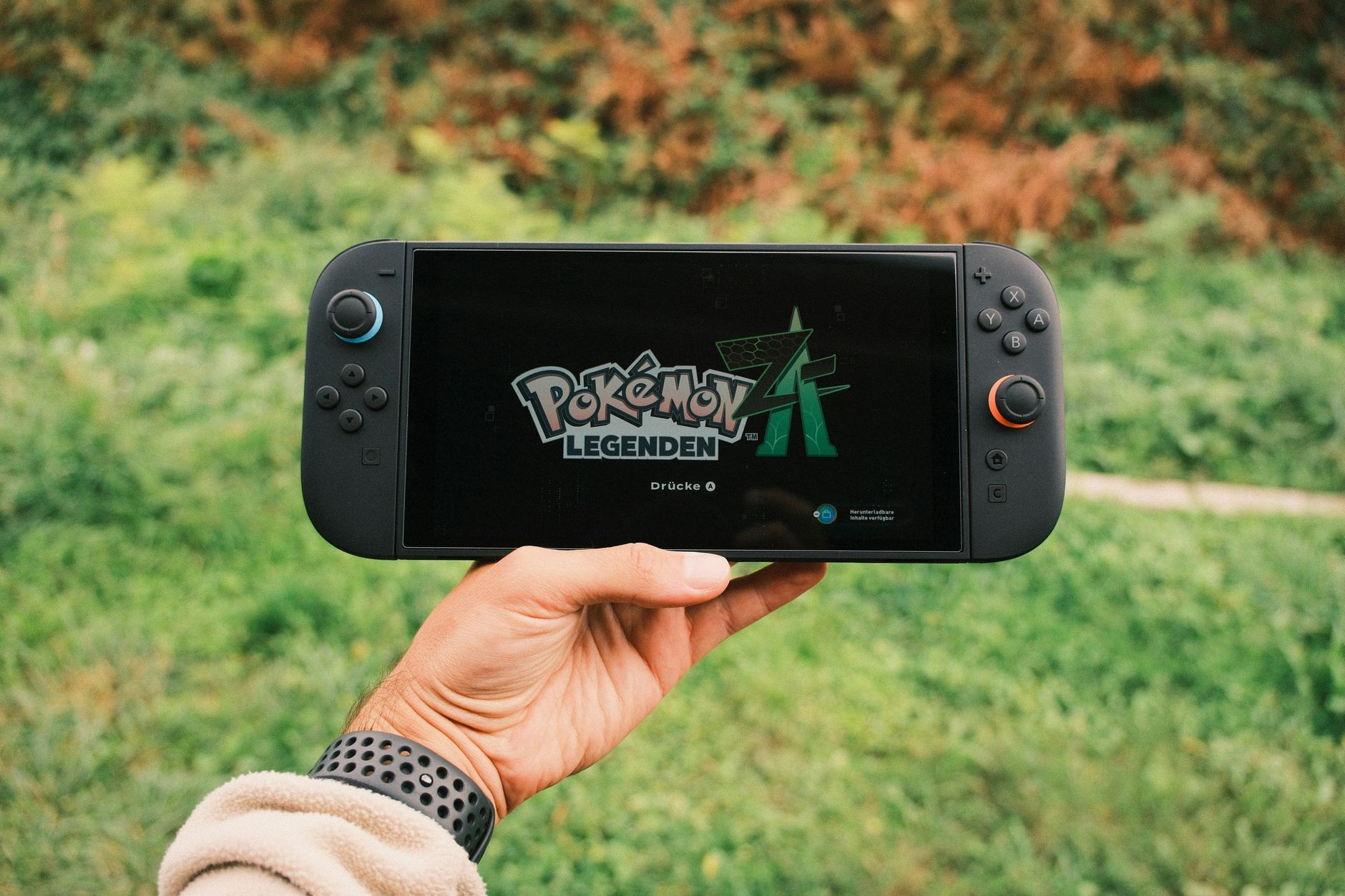
The real verdict on Joy-Con 2 durability won’t arrive for months. Hardware that performs well in the first few weeks of use can develop issues after sustained play, temperature cycling, and the general wear that comes from being carried in bags, dropped on couches, and used through long gaming sessions. The Hall effect design should, in principle, hold up better over time, but “should” is doing a lot of work in that sentence when the track record being compared against is this specific.
One thing working against early adopters right now is that there’s no independent large-scale testing data yet. The Switch 2 is too new. Until tens of thousands of units have gone through six to twelve months of real use, every anecdote about drift is just that – an anecdote. The problem is that Nintendo’s history means players aren’t willing to wait quietly for that data to accumulate, and the company has given them no concrete reason to simply trust that the problem is solved.