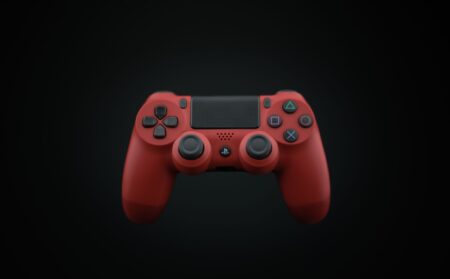




The $199 DualSense Edge controller was initially positioned as PlayStation’s premium gaming accessory for dedicated enthusiasts. Professional esports organizations have quietly begun standardizing around Sony’s flagship controller, with multiple tournament circuits now requiring or recommending the Edge for competitive play.
Teams across fighting games, first-person shooters, and racing titles report measurable performance improvements when switching from standard DualSense controllers. The professional gaming community’s adoption represents a shift from traditional third-party tournament controllers that have dominated competitive scenes for years.
Tournament Standards Drive Professional Adoption
Major esports tournaments have started mandating DualSense Edge controllers for PlayStation-based competitions. The Evolution Championship Series now requires Edge controllers for all PlayStation 5 fighting game tournaments, citing the need for consistent hardware standards across all competitors.
Tournament organizers appreciate the Edge’s built-in profiles and remapping capabilities, which eliminate the need for external software or hardware modifications that previously created compatibility issues. Players can save multiple control schemes directly to the controller, switching between games or strategies without external tools or lengthy setup processes.
Precision Features Appeal to Different Gaming Genres
Professional fighting game players gravitate toward the Edge’s adjustable trigger stops, which reduce input delay for rapid-fire techniques. The shortened trigger travel allows for frame-perfect inputs that can determine match outcomes in high-level competition.
Racing game professionals value the controller’s swappable analog stick caps and adjustable stick tension. Different racing disciplines benefit from varying levels of steering sensitivity, and the Edge allows drivers to fine-tune their control setup for specific tracks or vehicle types without switching hardware.
First-person shooter teams utilize the programmable back paddles to maintain aim while performing complex movement combinations. Professional players can jump, slide, and reload without removing thumbs from the analog sticks, maintaining precise aim during intense firefights.
The controller’s hair triggers prove particularly valuable for competitive shooters, where the difference between semi-automatic and full-automatic fire rates can impact weapon effectiveness. Players report more consistent burst firing and improved recoil control when using the Edge’s customizable trigger settings.

Performance Metrics Support Professional Claims
Independent testing reveals the DualSense Edge maintains more consistent input timing compared to standard controllers after extended use. The replaceable analog stick modules address the drift issues that have plagued competitive gaming, ensuring reliable performance throughout lengthy tournament brackets.
Professional teams document improved reaction times and reduced input errors when transitioning to Edge controllers. The controller’s weight distribution and grip texture contribute to reduced hand fatigue during extended practice sessions and multi-hour tournament matches.
Cost Considerations Shape Team Investment
Esports organizations factor the Edge’s $199 price point into their equipment budgets, often purchasing multiple units per player to ensure backup availability during tournaments. Professional teams view the controller as essential equipment rather than a luxury accessory, similar to how they approach high-end gaming monitors or mechanical keyboards.
The Edge’s modular design reduces long-term costs for professional teams. Rather than replacing entire controllers when analog sticks develop issues, teams can swap in new stick modules and continue using the same customized button mappings and profiles. This approach to modular controller design mirrors trends in other professional gaming peripherals.
Regional tournament circuits have begun providing Edge controllers as standard equipment, removing the barrier for aspiring professionals who cannot afford the premium price point. This equipment standardization creates a more level playing field while introducing competitive players to the controller’s advanced features.