


Pikmin 4 arrived in July 2023 without the kind of marketing blitz Nintendo usually reserves for its flagship releases, and it sold anyway – quietly, steadily, and in numbers that have apparently gotten internal attention at Nintendo headquarters.
A Slow Burn That Turned Into Real Sales Momentum
The Pikmin series has always occupied an odd corner of Nintendo’s catalog. It’s beloved by a dedicated fanbase but has never been treated as a system-seller on the level of Mario or Zelda. Nintendo historically spaces the games out over long gaps – Pikmin 3 launched in 2013, and the fourth entry didn’t arrive until a full decade later. That pattern alone tells you how cautious Nintendo has been about investing deeply in the franchise.
Pikmin 4 changed the calculus. The game passed 3 million units sold relatively quickly after launch, and continued selling through the holiday season and into 2024 without significant price drops or promotional pushes. For a franchise that has traditionally moved modest numbers, that kind of sustained momentum is notable. It suggests the audience for Pikmin is larger than Nintendo may have historically assumed, and that the right game – at the right moment – can find players well beyond the series’ existing fans.
Part of what drove that broader appeal was Pikmin 4’s deliberate accessibility. The introduction of Oatchi, the rideable dog companion, gave casual players a reliable safety net that earlier entries lacked. The game also softened some of the franchise’s notoriously punishing time management mechanics, lowering the entry barrier without gutting the strategic depth that longtime fans wanted. That design direction clearly worked, and the sales data reflects it.
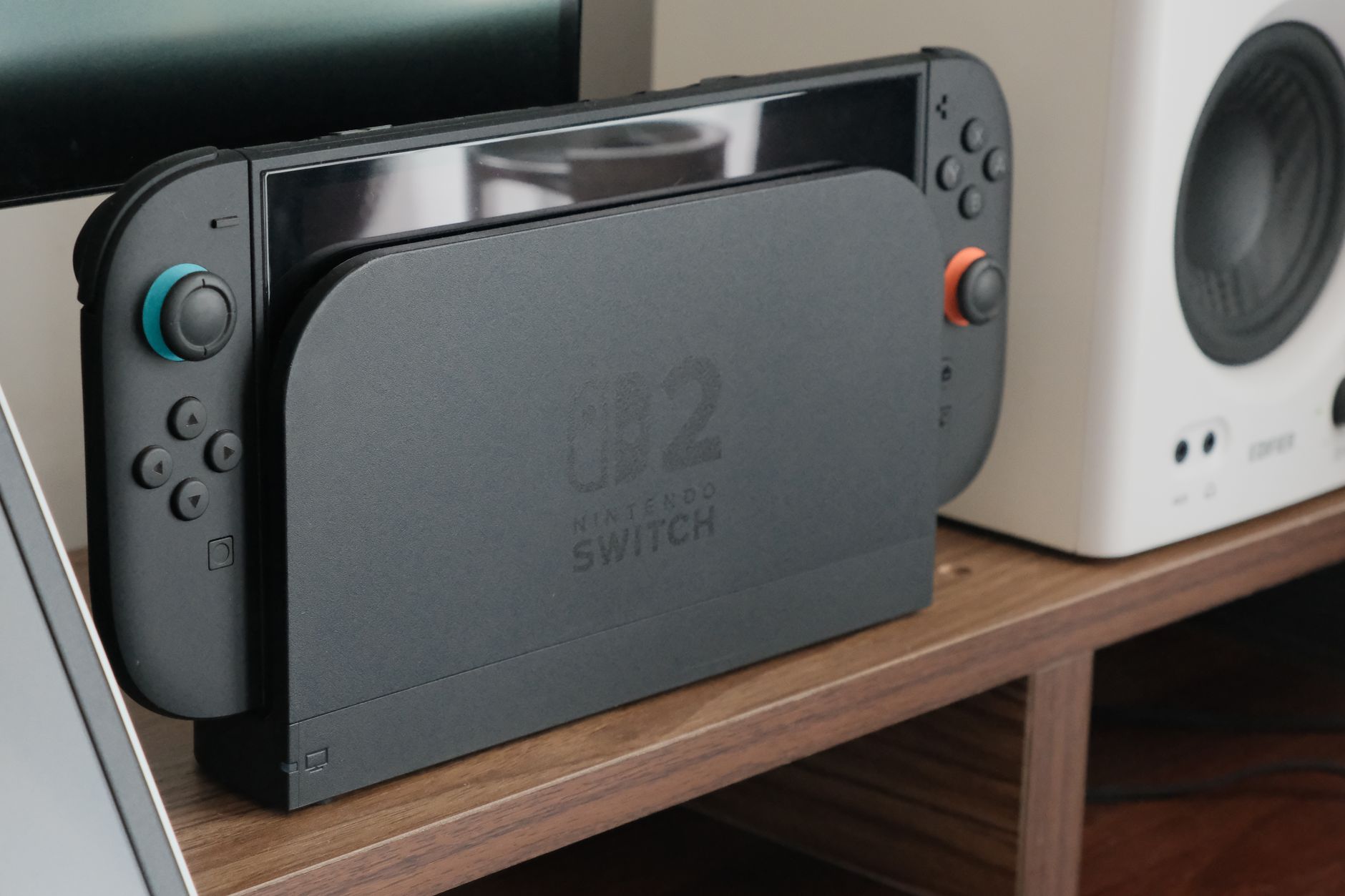
What’s now creating internal pressure at Nintendo is the combination of that commercial performance with the timing of the Nintendo Switch 2 launch. A new console with a large installed base to build means Nintendo needs software that can attract a wide audience quickly. Pikmin 4’s sales trajectory has positioned the franchise as a proven mid-tier draw – not a niche curiosity, but a reliable seller that can fill release calendar gaps without demanding the production scale of a mainline Mario or a new Zelda entry.
Why Nintendo Might Move Faster This Time
The standard Nintendo approach to sequels involves a long internal deliberation period, and Pikmin has historically sat at the back of that line. The 10-year wait between Pikmin 3 and Pikmin 4 wasn’t entirely development time – it reflected how the company prioritized its resources. Pikmin simply wasn’t considered urgent. That thinking is now under pressure from the franchise’s own recent performance.
Nintendo’s Switch 2 slate needs variety. The company has already confirmed a handful of major titles, but the transition period between a console launch and a full library build-out is notoriously thin on mid-sized releases that don’t carry AAA expectations. Pikmin fits that slot almost perfectly. It doesn’t require the same development ceiling as a new 3D Mario, it has a proven creative template in the fourth entry to build from, and its audience has now demonstrated it will show up without being aggressively marketed to.
There’s also the question of what Pikmin 4’s design leftover from production suggests about future direction. The game’s post-launch DLC – the Pikmin 4: The Last Fruit segment and the overall expansion of underground cave content – suggested the development team had ideas that didn’t fit neatly into the base game. That’s often a signal that a sequel conversation starts earlier than it otherwise would. When a team finishes a project with creative momentum rather than exhaustion, the pitch for a follow-up tends to come faster.
The Switch 2’s expanded hardware capabilities also give Nintendo a specific incentive to revisit the franchise sooner. Pikmin’s core loop – managing dozens of small creatures simultaneously across layered environments – is exactly the kind of system that benefits from processing improvements and better rendering fidelity. A Pikmin 5 built natively for Switch 2 could look and perform in ways that genuinely justify a new entry rather than feeling like a minor iteration, which is the trap some franchise sequels fall into when the hardware gap between games is too small.
Nintendo has also watched how other Nintendo-adjacent franchises fared when they stayed quiet during a console transition. The mainline absence of certain Nintendo properties during the Switch era has shown that staying off the release schedule too long allows audience interest to cool in ways that are hard to recover from. For Pikmin, which took 10 years to find its biggest audience yet, letting that momentum sit dormant for another extended cycle would be a real strategic misstep.
There’s also a straightforward commercial argument. Pikmin 4 sold without a movie tie-in, without a Netflix series, without any of the franchise expansion infrastructure Nintendo has used to boost properties like Mario. The franchise is growing organically, on the strength of the games alone. That’s a rare signal, and it tends to accelerate decision-making internally at a company like Nintendo, which watches its IP momentum carefully and doesn’t like to waste it.
What a Faster Greenlight Actually Means

A faster greenlight doesn’t necessarily mean a faster game. Nintendo’s development culture prioritizes polish over speed, and a Pikmin 5 that ships rough would do more damage to the franchise’s new momentum than a two-year wait would. What a faster greenlight actually buys is an earlier start on pre-production, which means the creative decisions about structure, tone, and new mechanics happen now rather than after a long dormancy period that forces the team to rediscover its own franchise instincts.
The real question isn’t whether Pikmin 5 gets made – at this point that feels close to certain – but whether Nintendo treats it as a Switch 2 launch window priority or lets it drift into the middle of the console’s lifecycle. Given that the franchise has never been a launch-window property, the pressure to change that pattern is real, but so is Nintendo’s institutional habit of taking its time. Pikmin fans who waited a decade for the fourth entry may find themselves in a surprisingly short wait this time around, or they may find that Nintendo’s internal clock doesn’t move as fast as the sales data suggests it should.