


Visitors at Universal Studios Japan’s Super Nintendo World are encountering wait times that dwarf those at Disney’s most popular attractions. Recent queue monitoring shows Mario Kart: Koopa’s Challenge routinely hits four-hour waits during peak days, while even Disney’s newest Star Wars rides rarely exceed three hours.
The phenomenon extends beyond Japan. Universal Studios Hollywood’s version of the Nintendo-themed area has become the park’s busiest zone since opening, with guests camping out before park opening just to secure timed entry tickets. What started as a nostalgic gaming experience has evolved into a full-blown cultural event that’s reshaping theme park strategy.
The Power-Up Effect on Traditional Theme Parks
Nintendo’s themed attractions operate on a fundamentally different engagement model than traditional theme park rides. Where Disney relies on passive storytelling through animatronics and set pieces, Super Nintendo World integrates actual gameplay mechanics into the physical experience. Guests wear Power-Up Bands that sync with smartphone apps, turning the entire area into a real-world video game where collecting coins and completing challenges unlocks digital rewards.
This gamification creates repeat visits within single park days. Families spend entire afternoons pursuing different achievement paths, collecting virtual items, and competing against other guests’ scores. The result is longer dwell times and higher per-capita spending, but also unprecedented crowding that forces other attractions to compete for attention.
Why Nintendo Crowds Behave Differently
Gaming culture brings unique visitor patterns that theme parks haven’t encountered before. Multi-generational families arrive with strategies mapped out in advance, treating their visit like a raid mission where everyone has specific objectives. Parents who grew up with Super Mario Bros. display the same completion-focused behavior as their children, creating unusually coordinated group dynamics.
The competitive element intensifies crowding beyond normal theme park metrics. Traditional attractions see visitors experience the ride once and move on, but Nintendo areas encourage multiple attempts to improve scores or unlock new content. Guests return to the same attractions repeatedly within single visits, creating bottlenecks that conventional crowd-flow models can’t predict.
Social media amplifies the effect through real-time score sharing and achievement posting. Visitors document their progress obsessively, with many treating their Nintendo World experience as content creation opportunities. The constant photo and video documentation slows movement through queues and attractions, extending wait times beyond what ride capacity alone would suggest.
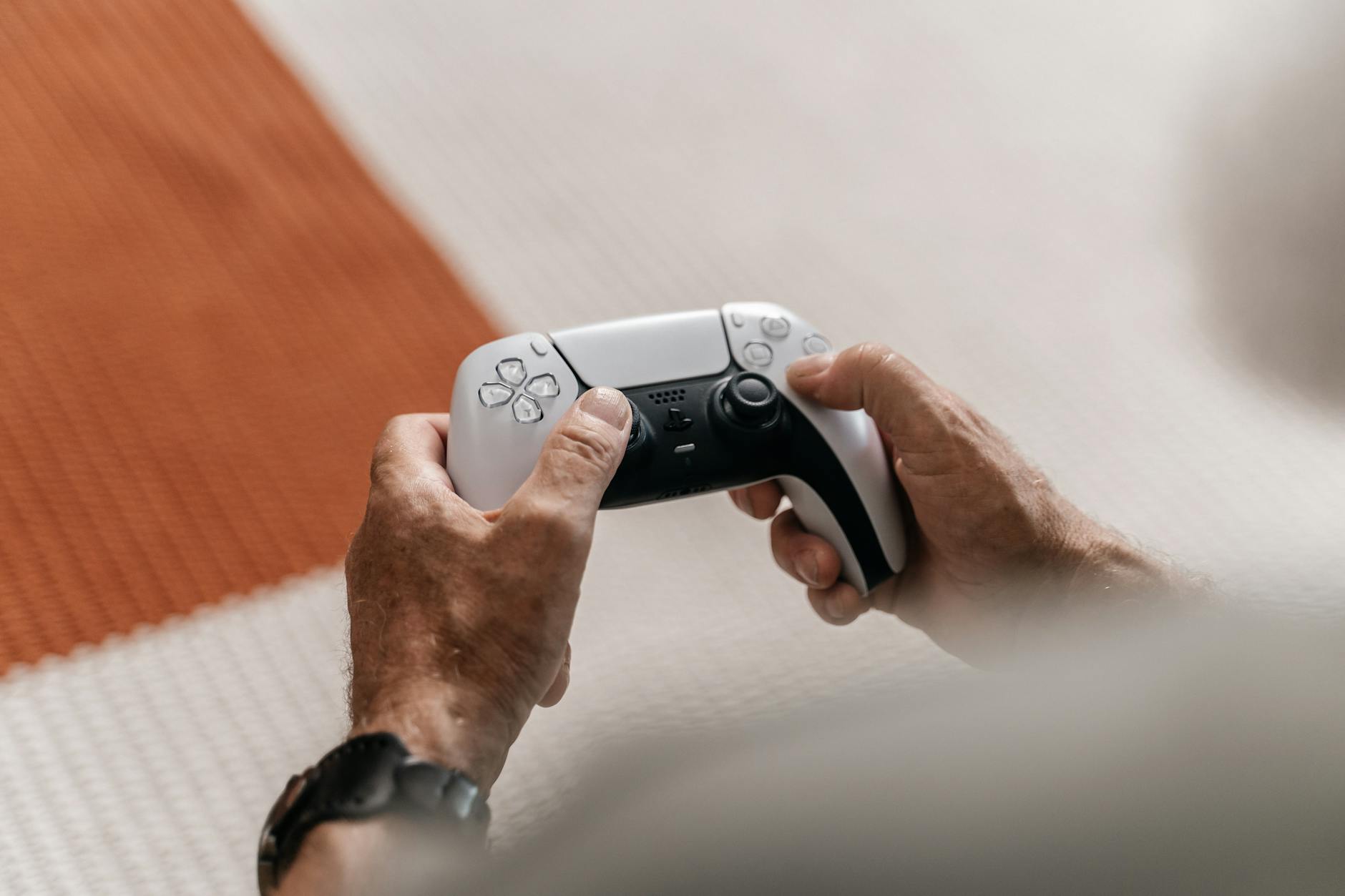
Queue culture around Nintendo attractions has developed its own etiquette and social structures. Guests form informal groups to tackle multi-person challenges, creating temporary alliances with strangers that wouldn’t happen in traditional theme park lines. These spontaneous communities often extend wait times as groups coordinate strategies or help newcomers understand the gamification elements.
Revenue Models That Disney Can’t Ignore
Nintendo’s approach generates revenue streams that traditional theme parks struggle to replicate. The Power-Up Band system creates mandatory purchase entry points – guests need the $40 wristbands to access most interactive elements. This represents pure profit since the bands cost roughly $3 to manufacture and require no ongoing operational expenses beyond initial installation.
Digital integration opens merchandise opportunities that extend far beyond physical park visits. Achievements unlocked in the parks sync with Nintendo’s broader ecosystem, creating ongoing engagement with guests who return home. This connection drives additional spending on Nintendo products months after park visits end, something Disney’s traditional model can’t match without major infrastructure changes.
The Scalability Problem
Universal’s partnership with Nintendo faces expansion challenges that could limit long-term growth. Nintendo maintains strict creative control over their intellectual property, slowing the approval process for new attractions and limiting Universal’s ability to rapidly scale successful elements. Each new Nintendo-themed addition requires extensive collaboration between Universal’s attraction designers and Nintendo’s game development teams.
The technology integration creates ongoing maintenance complexities that traditional theme parks avoid. Power-Up Bands require constant software updates, server maintenance, and technical support that adds operational overhead. When systems fail, entire attraction experiences become unavailable rather than simply degraded.
Walt Disney Company has reportedly approached Nintendo multiple times about licensing deals, but Nintendo’s exclusive partnership with Universal runs through 2025 with renewal options that could extend decades longer. Disney’s own intellectual property, while valuable, lacks the interactive gaming elements that make Nintendo’s theme park integration so compelling to modern families who expect digital integration in their entertainment experiences.