

The Pink Puffball Was Built for Crowds
Kirby has always been a franchise about accessibility – a soft entry point for newcomers, a comfort game for veterans, and, quietly, a multiplayer series that has been drifting further from its own origins with each new release.
Where the Co-Op Tradition Actually Started
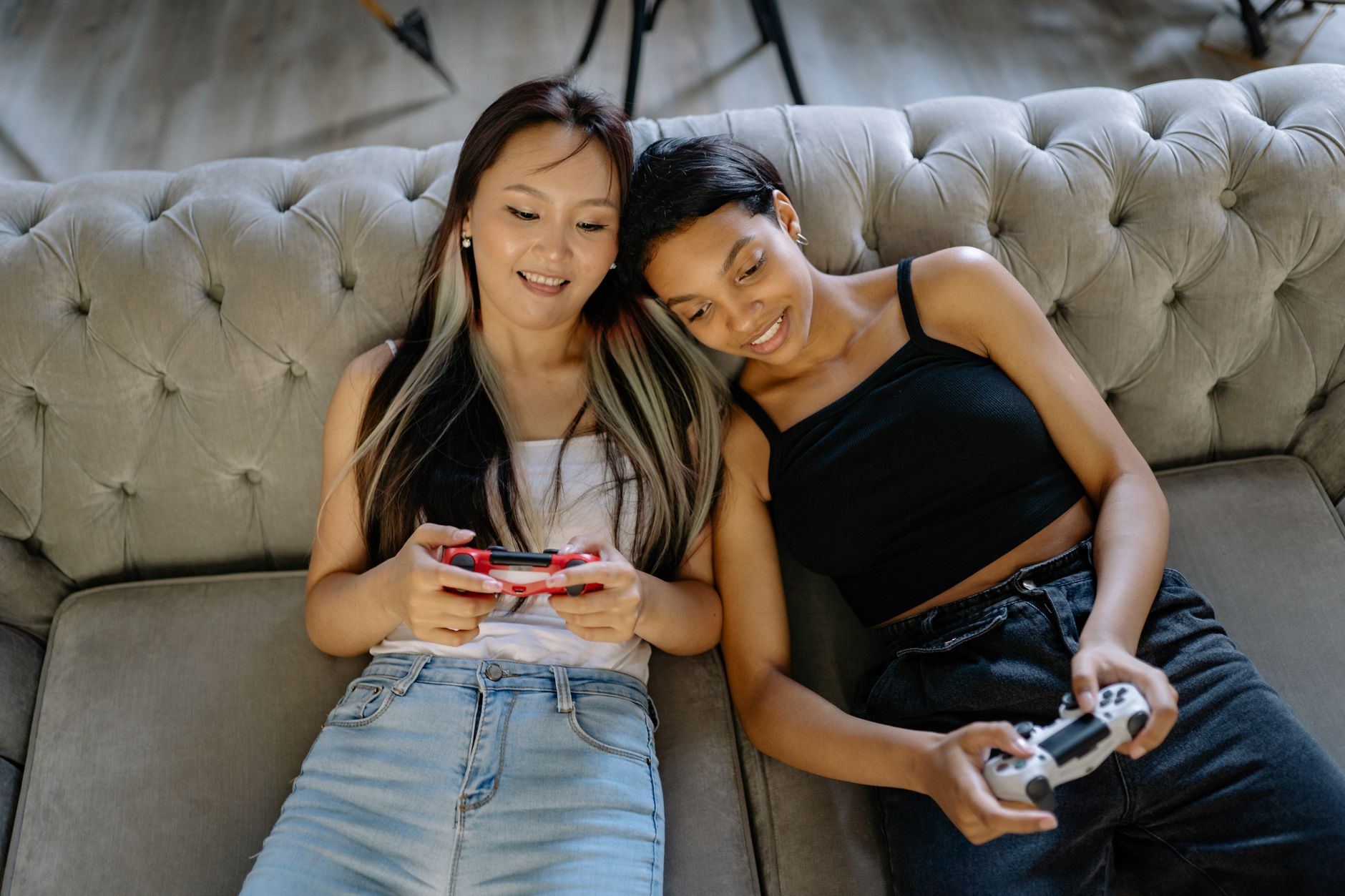
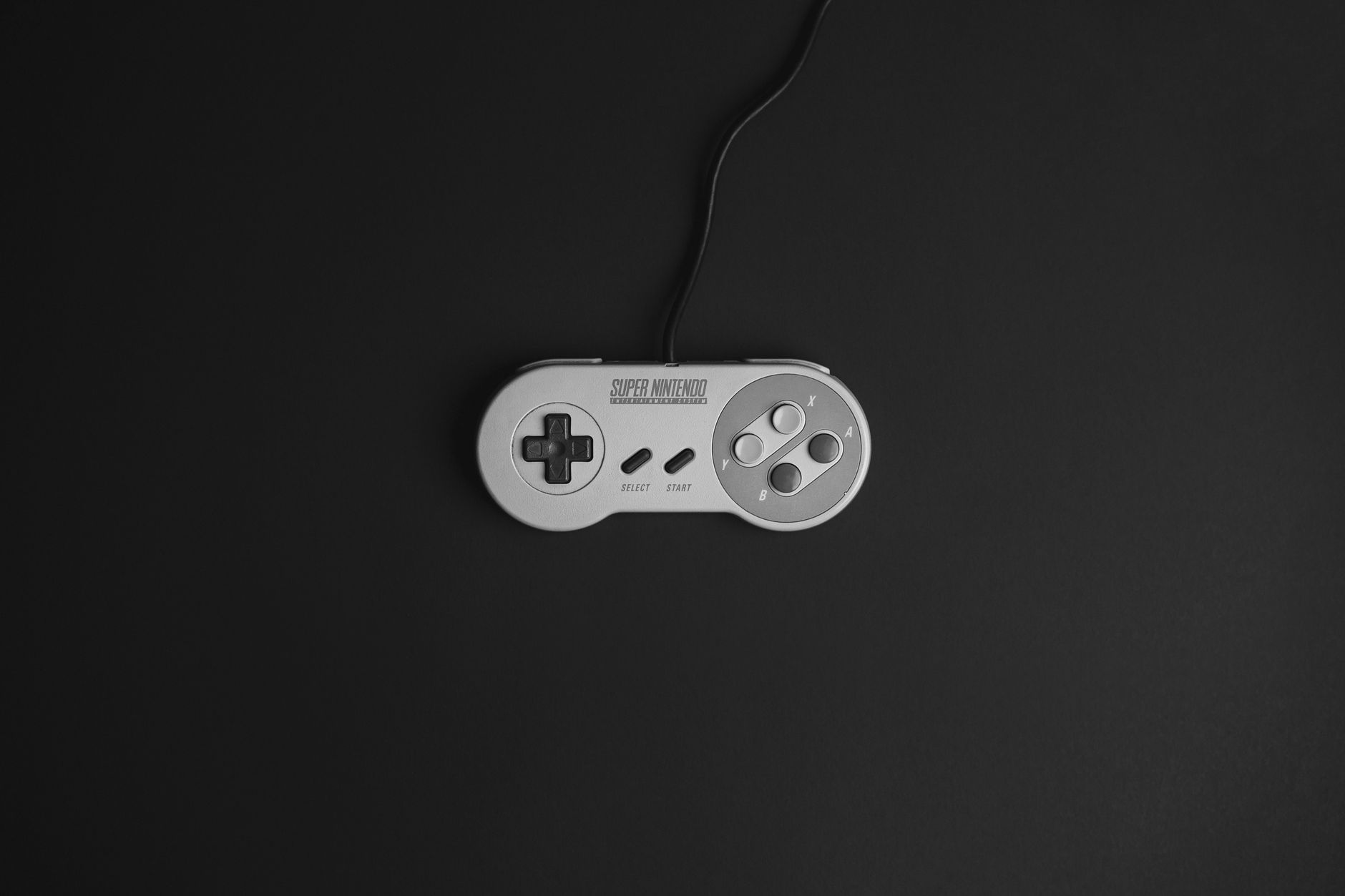
Go back to 1996 and Kirby Super Star on the SNES, and you find a game that treated co-op as a structural priority rather than a bonus feature. Player two could drop in as a helper character, copy abilities alongside the main game, and participate in separate sub-games built specifically around two-player interaction. The design was intentional – multiplayer was not bolted on after the fact. It was woven into how the game’s modes were conceived from the start.
Kirby’s Return to Dream Land on the Wii carried that spirit forward. Four-player co-op with each player controlling a fully capable Kirby, complete with access to the same ability roster as the main character, was the headline feature. Nintendo marketed it on the strength of that multiplayer premise, and it landed well. Players who brought siblings or friends to the couch got a genuinely complete experience, not a stripped-down companion mode. That game set a standard that the franchise has struggled to maintain since.
The Return to Dream Land Deluxe remaster on Switch brought that mode back, which fans appreciated. But appreciation is doing a lot of heavy lifting there – they were essentially grateful to receive what had already existed years earlier on older hardware. The remaster also arrived with a new sub-game called Magolor Epilogue, which is single-player only. That detail, small as it sounds, is exactly the kind of signal that co-op fans have learned to read carefully: the series keeps treating multiplayer as something that survives through preservation rather than growth.
Kirby and the Forgotten Land, the franchise’s first fully realized 3D platformer, launched in 2022 to strong reviews and sold exceptionally well. Its two-player mode lets a second player control Bandana Waddle Dee throughout the campaign. That sounds generous. In practice, though, player two has a narrower moveset, no ability copying, and functions more as support than as an equal participant. Long-time co-op fans noticed. The game’s architecture was built around Kirby’s solo transformation system, and multiplayer came second.
The Friction That Co-Op Players Are Feeling Now
The frustration is not that Forgotten Land was a bad game – it wasn’t. The frustration is that the franchise’s expansion into 3D came at a direct cost to the co-op depth that had defined its best multiplayer entries. When a series evolves its core mechanics, it often means re-engineering how those mechanics interact with multiple players. Nintendo chose not to do that, and the result is a two-player mode that feels like an afterthought dressed up as a feature.
Spin-offs have done more to keep the co-op spirit alive than the mainline series has. Kirby’s Dream Buffet leaned entirely into four-player competition. Kirby Fighters 2 offered co-op and versus modes centered on ability-based combat. These are fun, but they are also narrow in scope – short-session party games rather than the kind of sustained co-op campaign experience that Return to Dream Land delivered. Directing fans toward spin-offs to get their multiplayer fix is a workaround, not a solution.
There is a real community of players who specifically buy Kirby games to play them with partners, children, or less experienced friends. The franchise’s reputation for approachability made it a reliable choice for exactly that audience. When the co-op mode in a mainline entry reduces player two to a support role with limited abilities, it undercuts the exact pitch that brought those players to the series in the first place. A parent playing with a younger child does not want the kid stuck holding a spear while Kirby does everything interesting.
The ability copy system is where the tension is most visible. Kirby’s power absorption mechanic is the franchise’s most distinctive feature, and designing a co-op experience around it for multiple players is genuinely hard. Kirby Super Star solved it by letting helpers share abilities from the player’s current copy. Return to Dream Land solved it by giving every player their own full Kirby. Both required deliberate design investment. The 3D era has not found its equivalent solution, and that gap has been open for several years now.
Co-op fans are not demanding that every Kirby game be built identically to its predecessors. What they are asking for is the same level of design consideration – the sense that multiplayer was planned alongside the solo experience rather than grafted onto it after the core game was finished. The difference in feel between those two approaches is immediately obvious to anyone who has played both kinds of Kirby entry back to back.
What a Real Fix Would Actually Look Like
The answer probably isn’t returning to 2D permanently. Kirby’s 3D future looks locked in, and Forgotten Land’s commercial success makes that trajectory even more certain. What the series needs is a 3D entry that rebuilds the co-op framework from the ground up – one where a second (or third or fourth) player gets access to the ability system in a form that matches the host’s experience, even if the implementation looks different. That engineering challenge is solvable. Other Nintendo franchises have navigated similar design problems in multiplayer contexts.
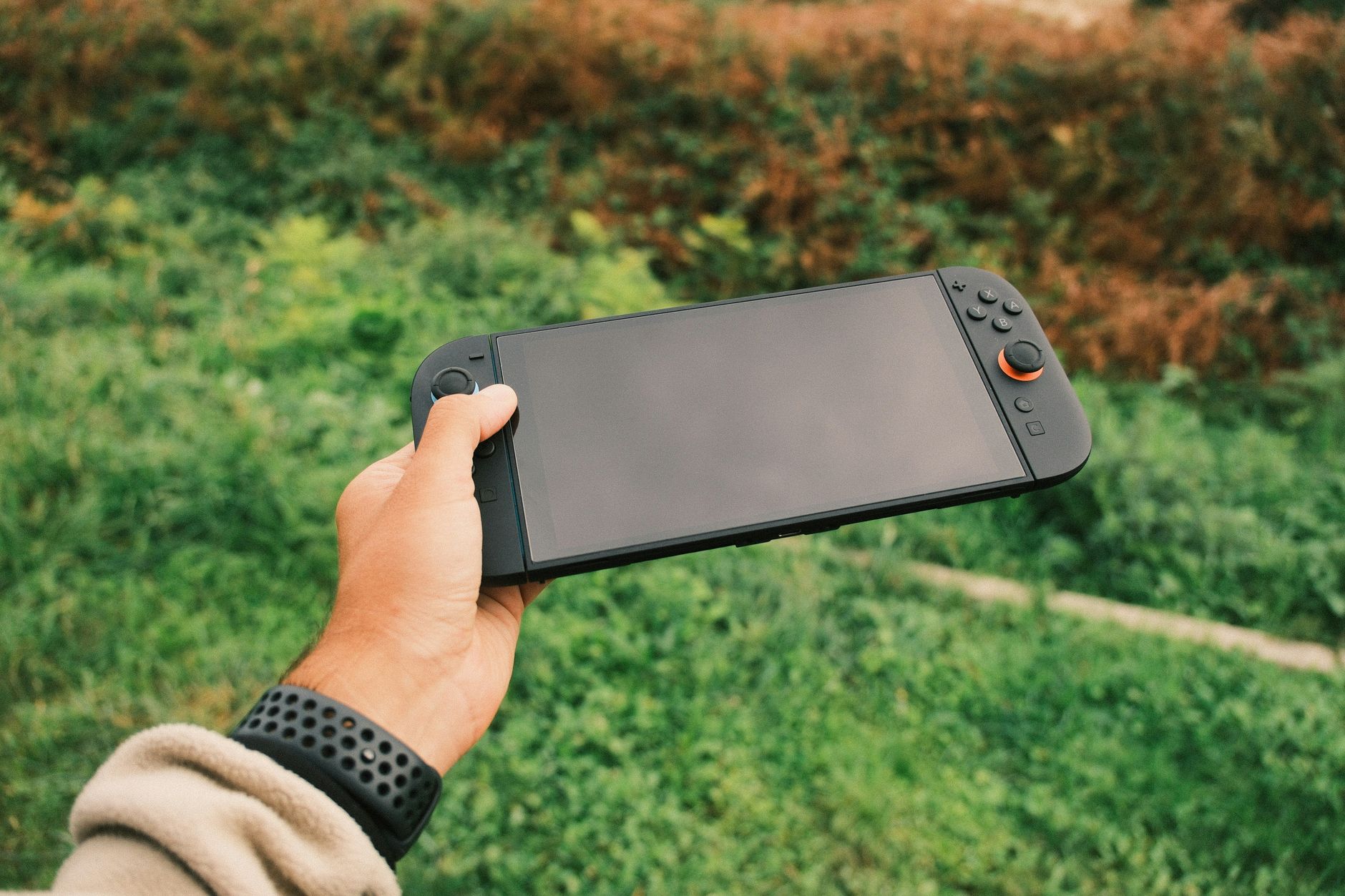
Nintendo has not announced what the next mainline Kirby title looks like, and the Switch 2’s launch lineup offered no answers on that front. If the next entry in the series arrives with the same asymmetric co-op structure as Forgotten Land, a growing segment of the fanbase will notice – and they will be right to ask whether the studio has genuinely tried to solve the problem or has simply decided that the problem is acceptable.