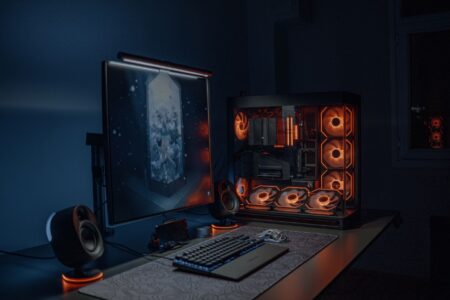




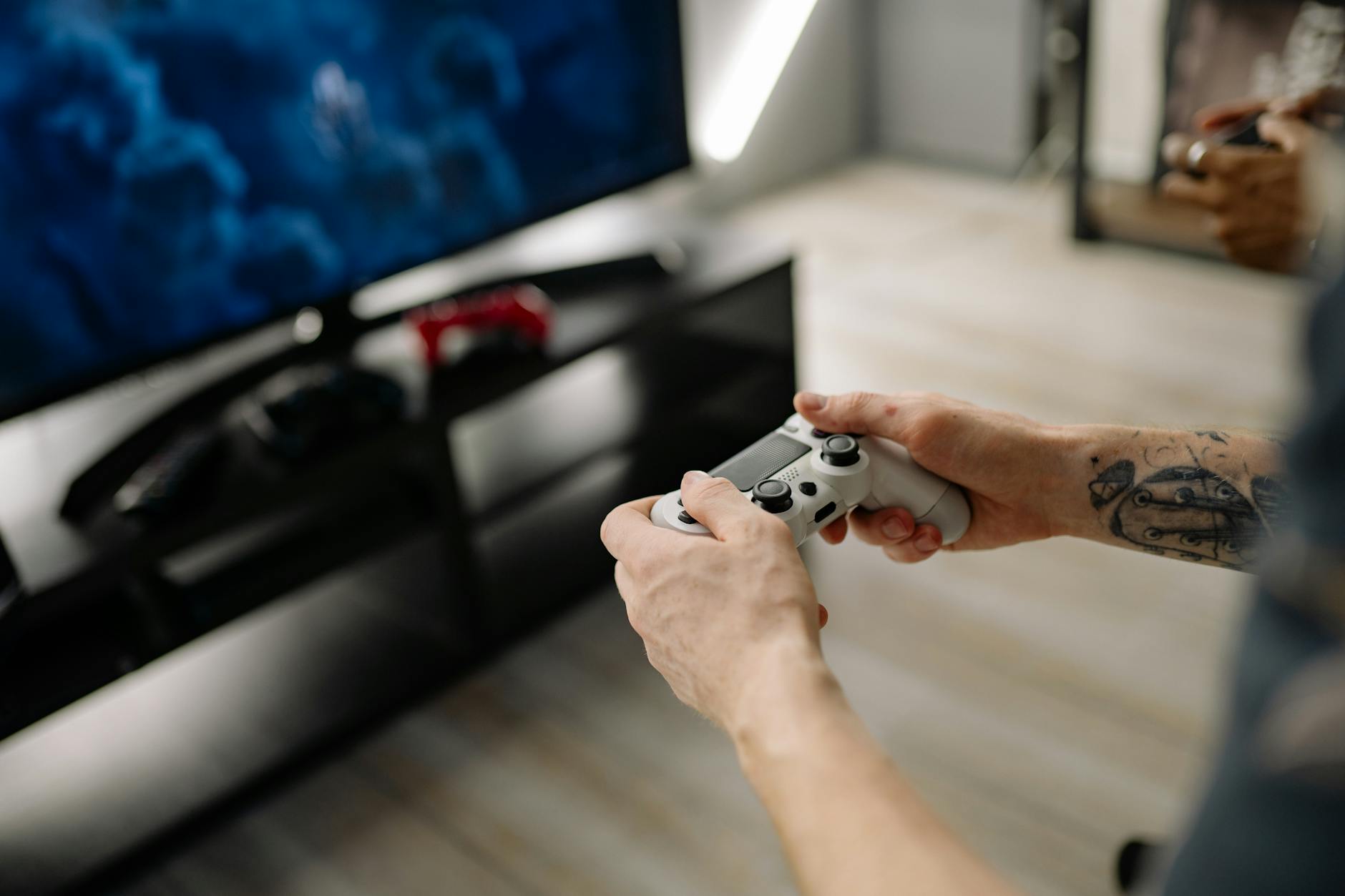
Xbox consoles are no longer just gaming machines sitting beneath TVs. Microsoft has quietly transformed its flagship gaming platform into a central hub that controls lights, adjusts thermostats, manages security systems, and orchestrates entire smart home ecosystems. This integration represents the most significant shift in living room entertainment since streaming services disrupted cable television.
The convergence of gaming and home automation started gaining momentum in 2021 when Microsoft expanded Xbox’s voice command capabilities beyond simple game controls. Today, millions of Xbox users can dim their lights for late-night gaming sessions, set the perfect room temperature before marathon sessions, and even check who’s at the front door without pausing their favorite titles.

Voice Commands Transform Gaming Sessions
Xbox’s Cortana integration marked the beginning of this smart home revolution, but the real breakthrough came with expanded Amazon Alexa and Google Assistant compatibility. Players can now issue commands like “Xbox, turn off the lights” or “Xbox, set gaming mode” to automatically adjust multiple home systems simultaneously.
The gaming mode feature has become particularly popular among serious players. A single voice command can dim smart bulbs to reduce screen glare, adjust smart thermostats to maintain optimal room temperature, activate gaming-specific lighting presets, and even pause music playing on connected speakers throughout the house.
Microsoft reports that over 40% of Xbox Series X and Series S owners use voice commands for smart home control at least once per week. The most popular commands involve lighting control, followed by temperature adjustments and entertainment system management.
Professional esports players and content creators have embraced these features extensively. Streamers use voice commands to adjust ring lights and background lighting without interrupting gameplay, while competitive players optimize their environment instantly between matches.
Seamless Integration with Major Smart Home Platforms
Xbox consoles now serve as unofficial hubs for major smart home ecosystems. Direct integration with Samsung SmartThings allows Xbox to control compatible devices across the home, while Philips Hue compatibility enables dynamic lighting that responds to in-game events.
The integration extends beyond simple on-off commands. Racing games can trigger red lighting when players crash, horror games can create atmospheric lighting effects, and action titles can pulse lights in sync with explosions or dramatic moments. These immersive features work with brands including LIFX, Nanoleaf, and Govee smart lighting systems.
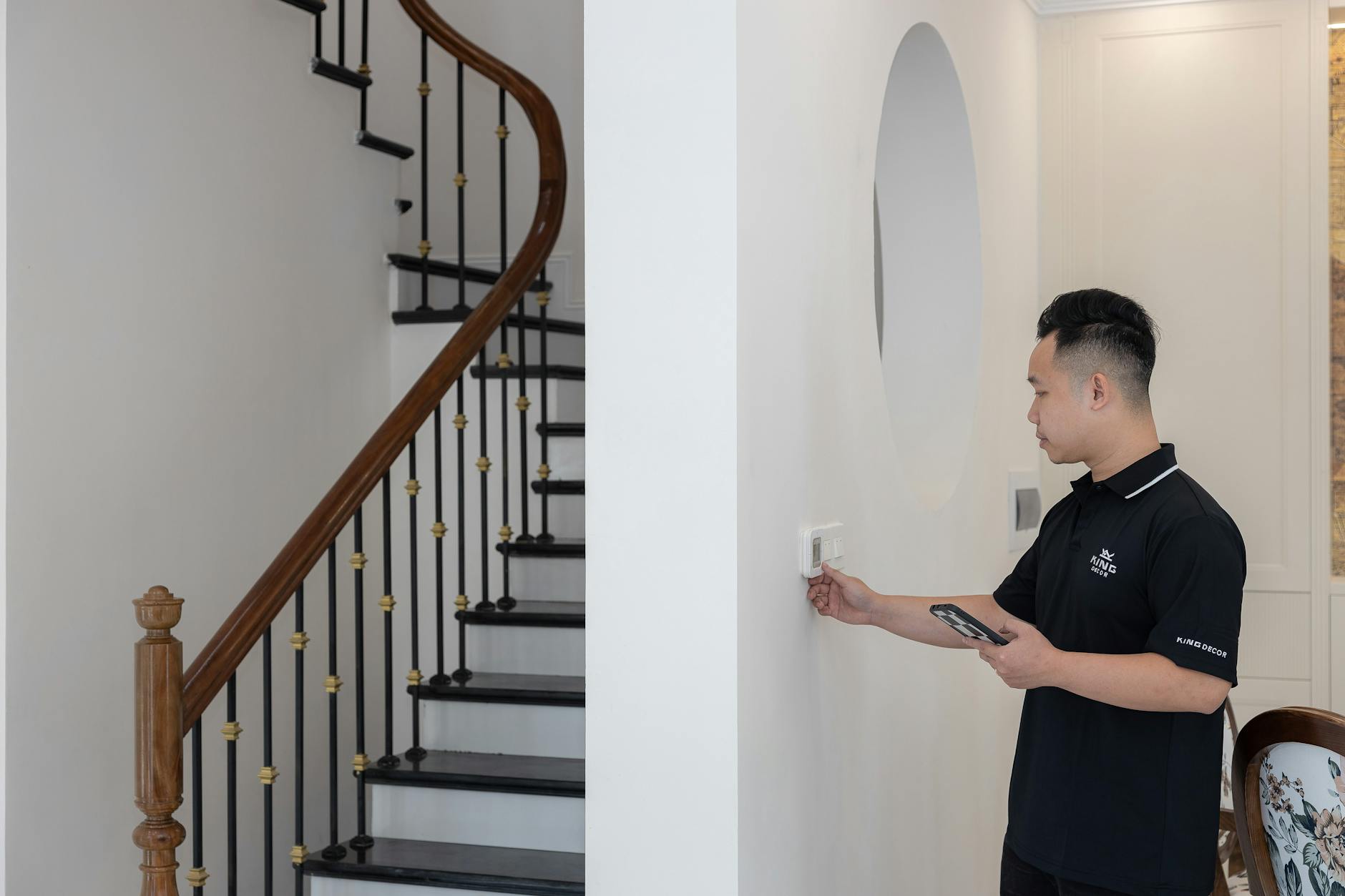
Security system integration has proven surprisingly popular. Xbox users can check Ring doorbell cameras, view Nest security feeds, and receive notifications about motion detection without leaving their games. Some players use these features to monitor package deliveries or keep an eye on pets in other rooms.
Smart speaker integration allows Xbox to become the central command center for multi-room audio systems. Players can start music in the kitchen while gaming, adjust volume in different rooms, or create whole-house audio experiences for parties and gatherings.
The Technical Foundation Behind the Integration
Microsoft’s approach relies on existing smart home protocols rather than proprietary systems. Xbox consoles communicate with devices through Wi-Fi, Bluetooth, and established standards like Zigbee and Z-Wave through compatible hubs.
The Xbox operating system includes dedicated smart home APIs that developers can leverage for game-specific integrations. This technical foundation allows third-party developers to create custom lighting effects, temperature controls, and environmental responses tied to specific games or gaming events.
Cloud processing handles much of the heavy lifting. When players issue voice commands, the audio is processed through Microsoft’s Azure cloud services, which then send appropriate signals to connected smart home devices. This approach reduces local processing demands and enables more sophisticated command interpretation.
Privacy protections include local processing options for sensitive commands and encrypted communication channels for all smart home device interactions. Users can choose which devices Xbox can access and set specific permission levels for different types of controls.
Impact on Gaming Habits and Home Design
This integration is changing how people design and use their living spaces. Gaming rooms now incorporate smart lighting as standard equipment, with many players investing in color-changing bulbs specifically for gaming enhancement. The Xbox Series S has become particularly popular for bedroom and smaller space setups where integrated smart home control proves most valuable.
Interior designers report increasing requests for gaming-optimized smart home systems. Clients want lighting that automatically adjusts for different activities, temperature controls that respond to gaming sessions, and entertainment systems that seamlessly switch between gaming, streaming, and music.
The social aspects of gaming have evolved as well. Party hosts use Xbox smart home controls to create immersive environments for group gaming sessions, adjusting lighting and sound systems to enhance multiplayer experiences. Some users create elaborate synchronized light shows for online friends during shared gaming moments.
Energy management has become an unexpected benefit. Smart thermostats can reduce heating and cooling in unused rooms during gaming sessions, while smart power strips can automatically manage standby power for connected devices. Microsoft’s own data suggests Xbox-controlled smart home systems can reduce household energy consumption by up to 15% during gaming hours.
The Future of Connected Gaming Environments
Microsoft’s roadmap includes deeper integration with emerging smart home technologies. Future updates may include automatic room optimization based on game genres, predictive environmental controls that learn player preferences, and enhanced integration with smart furniture and adjustable gaming chairs.
The company is also exploring partnerships with smart home security companies, appliance manufacturers, and automotive systems. Early testing includes Xbox integration with smart garage doors, connected vehicle systems, and next-generation home energy management platforms.
As Microsoft’s AI capabilities advance, Xbox smart home integration will likely become more predictive and personalized. Machine learning algorithms could automatically optimize home environments based on gaming patterns, time of day, and individual preferences without requiring manual commands.
This evolution positions Xbox as more than a gaming console – it’s becoming the entertainment and automation nerve center of modern homes. As smart home adoption accelerates and gaming continues its mainstream expansion, Xbox’s integrated approach may well define the future of interactive home entertainment.
Frequently Asked Questions
Can Xbox control smart home devices?
Yes, Xbox consoles can control lights, thermostats, security systems, and other smart home devices through voice commands and integrated apps.
What smart home brands work with Xbox?
Xbox integrates with major brands including Philips Hue, Samsung SmartThings, Amazon Alexa, Google Assistant, Ring, and Nest systems.