



The Steam Deck OLED has quietly become PlayStation’s biggest threat in the handheld gaming space. While Sony continues to focus on cloud streaming with the PlayStation Portal, Valve’s refined handheld is pulling longtime PlayStation fans away from their comfort zone and into the world of PC gaming on the go.
The numbers tell a compelling story. Steam Deck sales have steadily climbed since the OLED model launched, with many buyers being first-time PC gamers who previously stuck exclusively to PlayStation consoles. Social media groups dedicated to PlayStation handhelds increasingly feature discussions about Steam Deck compatibility with PlayStation exclusives that have made their way to PC, and the sentiment is overwhelmingly positive.
The OLED Advantage That PlayStation Portal Can’t Match
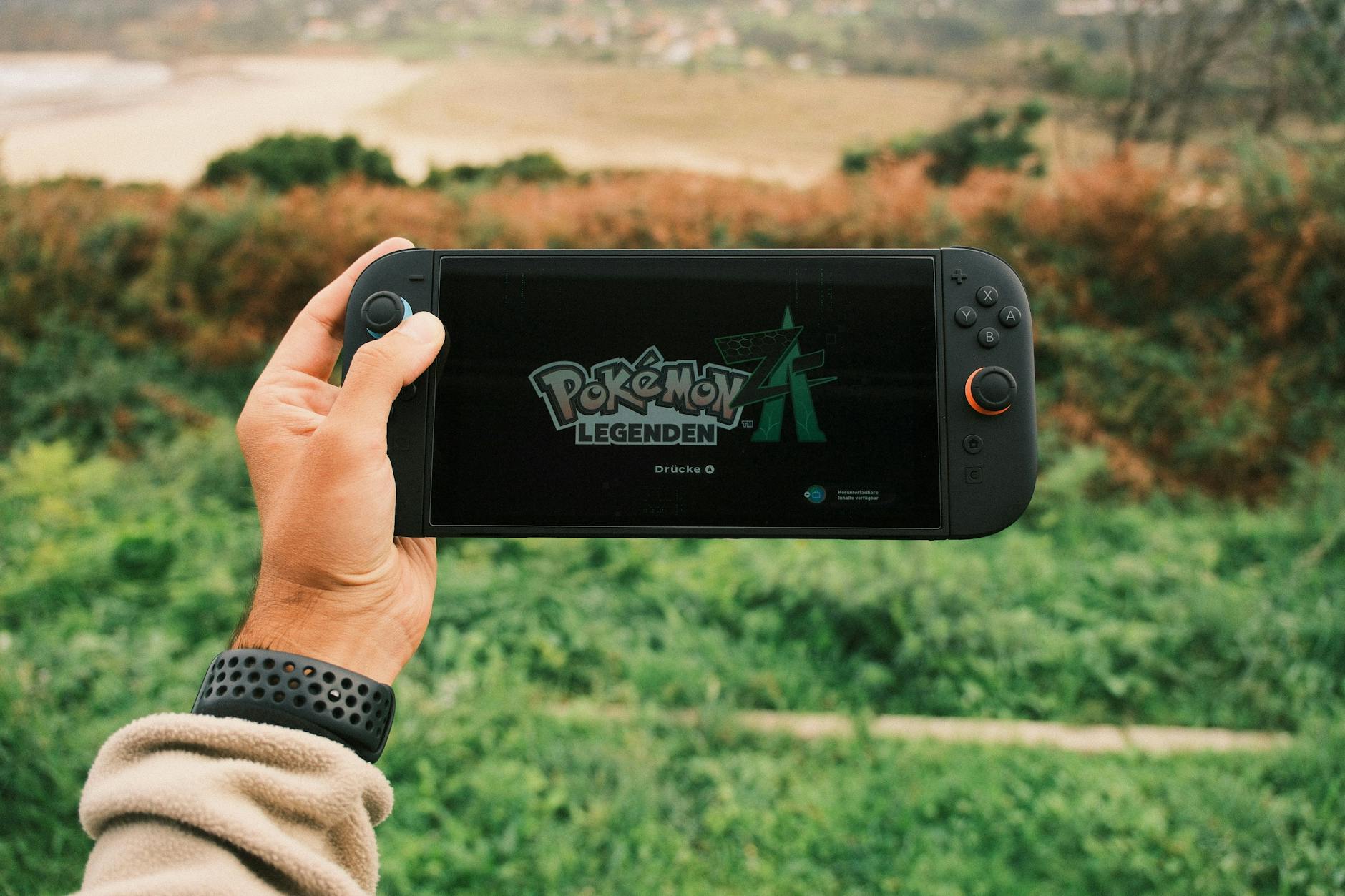
The Steam Deck OLED addresses every major complaint about the original model while offering something PlayStation’s current handheld strategy simply cannot: true portable gaming independence. The OLED screen delivers vibrant colors and deeper blacks that make games pop in ways the LCD original never could. Battery life improvements mean longer gaming sessions without hunting for power outlets.
More importantly, the Steam Deck OLED runs games natively. PlayStation Portal users find themselves tethered to reliable internet connections and their PS5 consoles at home. This fundamental difference has proven decisive for many former PlayStation handheld enthusiasts who remember the freedom of the PSP and PS Vita.
The pricing strategy also works in Valve’s favor. While the PlayStation Portal costs $199 but requires a $500 PS5 to function, the Steam Deck OLED starts at $549 and operates completely independently. For PlayStation fans who skipped the PS5 generation or want gaming freedom beyond their living room, the value proposition becomes clear.
PlayStation Exclusives on PC Change Everything
Sony’s decision to port PlayStation exclusives to PC has inadvertently strengthened the Steam Deck’s appeal to PlayStation fans. Games like Spider-Man, God of War, and Horizon Zero Dawn run impressively well on the handheld, often looking better than they did on the original PS4.
The experience of playing former PlayStation exclusives on Steam Deck creates a unique psychological shift. Fans realize they can access their favorite franchises without being locked into Sony’s ecosystem. This revelation often extends beyond gaming, as users discover Steam’s massive library includes genres and indie titles that never appeared on PlayStation platforms.
PlayStation fans are also discovering the modding community that surrounds PC versions of their favorite games. The ability to enhance graphics, add content, or modify gameplay elements provides a level of customization that console gaming never offered. This discovery often proves transformative for players who previously viewed PC gaming as too complicated or expensive.

Community and Ecosystem Migration
The Steam Deck community has developed robust solutions for PlayStation fans making the transition. Detailed guides show how to configure controls to match PlayStation button layouts, optimize games for the handheld’s screen, and even emulate older PlayStation titles that Sony refuses to make available through official channels.
Steam’s social features, combined with Discord’s screen share capabilities, create multiplayer experiences that often surpass what PlayStation offers. The ability to easily share gameplay footage, join community discussions, and access user-generated content has proven particularly appealing to social gamers.
The modular nature of PC gaming also appeals to PlayStation fans who felt restricted by Sony’s closed ecosystem. Steam Deck users can install multiple game launchers, access different storefronts, and even run Windows for maximum compatibility. This flexibility represents everything the PlayStation Portal is not.
Performance Reality Meets Expectations
Real-world performance testing shows the Steam Deck OLED handling PlayStation exclusives admirably. God of War maintains consistent frame rates at medium to high settings, while Horizon Zero Dawn delivers visuals that rival the PS5 version. These results surprise PlayStation fans who expected significant compromises from portable hardware.
The Steam Deck’s compatibility with Windows 11’s gaming optimizations means performance will likely improve over time as Microsoft continues refining the platform for handheld devices. This forward compatibility contrasts sharply with PlayStation Portal’s static feature set.
Battery life during intensive gaming sessions typically ranges from 90 minutes to three hours, depending on game demands and settings. While not revolutionary, this performance proves sufficient for commute gaming and short travel periods that represent the majority of handheld usage scenarios.
The Steam Deck OLED represents more than hardware evolution – it embodies a philosophical shift toward gaming freedom that resonates with PlayStation fans who remember when Sony championed portable innovation. As more PlayStation exclusives arrive on PC and Valve continues refining SteamOS, the migration from PlayStation’s walled garden to Steam’s open ecosystem will likely accelerate.
Sony’s response to this challenge remains unclear, but the PlayStation community’s growing interest in alternatives suggests the handheld gaming landscape is experiencing its most significant shift since the original PSP challenged Nintendo’s dominance. The Steam Deck OLED isn’t just converting PlayStation fans – it’s redefining what handheld gaming can be in an increasingly connected world.
Frequently Asked Questions
Can Steam Deck OLED play PlayStation exclusives?
Yes, many former PlayStation exclusives like God of War and Spider-Man run well on Steam Deck OLED through Steam.
How does Steam Deck OLED compare to PlayStation Portal?
Steam Deck OLED runs games natively without internet connection, while PlayStation Portal requires streaming from PS5.