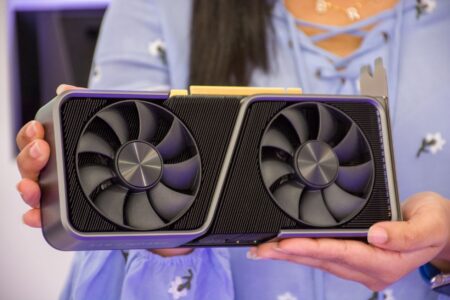




The Steam Deck didn’t just create a new gaming category-it shattered laptop manufacturers’ assumptions about what portable gaming could be. Since Valve’s handheld launched in 2022, major PC brands have quietly redesigned their gaming laptops, borrowed interface elements, and rethought everything from cooling systems to control schemes.
What started as Valve’s experiment to bring PC gaming to a handheld format has become the blueprint for a new generation of gaming laptops. Companies like ASUS, MSI, and Lenovo are now racing to capture the Steam Deck’s accessibility while maintaining laptop functionality. The result is a fundamental shift in how the industry approaches portable gaming hardware.

The Interface Revolution: Touch and Gamepad Controls Meet Traditional Laptops
Gaming laptop manufacturers are integrating Steam Deck-inspired control schemes into their designs. ASUS’s ROG Flow series now includes dedicated gaming mode interfaces that mirror the Steam Deck’s Big Picture mode, allowing users to navigate games without traditional keyboard and mouse setups.
The most significant change appears in how laptops handle controller integration. Where previous gaming laptops treated gamepad support as an afterthought, newer models from MSI and Alienware include built-in controller profiles that automatically configure based on detected games. This approach directly mirrors the Steam Deck’s seamless transition between different control methods.
Touchscreen integration has also evolved beyond basic Windows touch support. Lenovo’s Legion series now includes gaming-specific touch gestures inspired by the Steam Deck’s touchpads. Users can swipe to access quick settings, pinch to zoom in strategy games, and use multi-finger gestures for inventory management-features that were previously exclusive to Valve’s handheld.
The influence extends to software interfaces as well. Several manufacturers now include launcher overlays that prioritize visual game libraries over traditional desktop environments. These interfaces automatically detect installed games across multiple platforms, presenting them in grid formats similar to the Steam Deck’s game library view.
Cooling Innovation: Lessons from Handheld Thermal Management
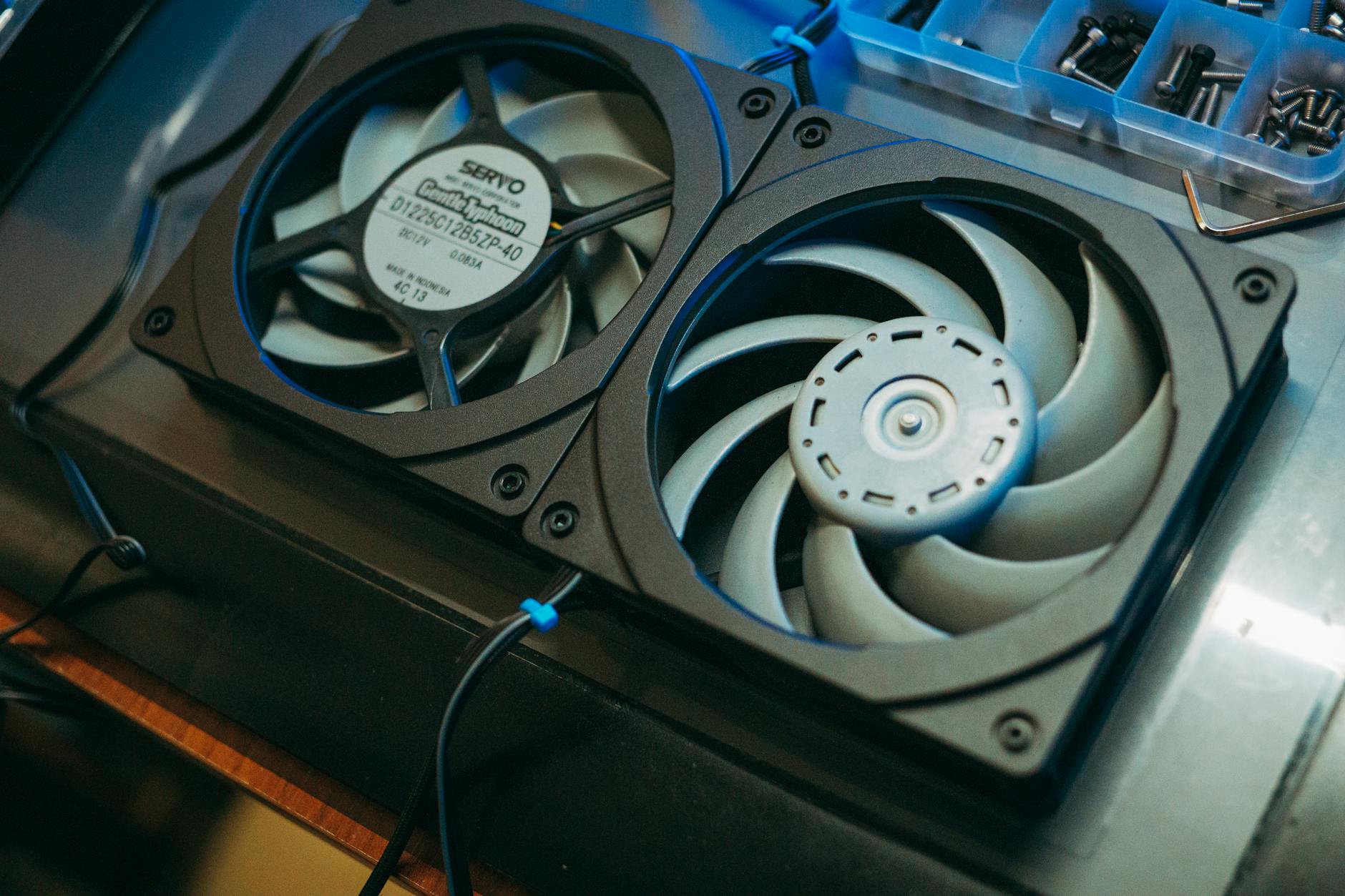
The Steam Deck’s compact cooling solution forced Valve to innovate in thermal management, and laptop manufacturers took notice. Traditional gaming laptops relied on large, loud fans and bulky cooling systems. The Steam Deck proved that strategic thermal design could maintain performance in much smaller form factors.
ASUS incorporated several Steam Deck-inspired cooling techniques into their 2024 laptop lineup. Their new liquid metal thermal compounds and vapor chamber designs directly reference solutions Valve developed for the Steam Deck’s AMD APU. The result is quieter operation and better sustained performance during long gaming sessions.
MSI’s latest gaming laptops feature fan curves that adapt based on game type rather than just temperature thresholds. This approach mirrors the Steam Deck’s intelligent thermal management, which adjusts cooling based on whether users are playing demanding AAA titles or lighter indie games.
The shift toward more efficient cooling has also enabled thinner laptop designs without sacrificing performance. Where previous gaming laptops prioritized raw cooling capacity, manufacturers now focus on intelligent thermal distribution-a lesson learned directly from the Steam Deck’s successful implementation of sustained gaming in a handheld format.
Power Management and Battery Life: The Efficiency Focus
Perhaps the most significant impact of the Steam Deck on laptop design involves power management. Valve’s handheld forced the industry to confront gaming laptops’ traditionally poor battery life by proving that portable gaming didn’t require constant wall power.
Gaming laptop manufacturers now include variable refresh rate displays, adaptive brightness controls, and CPU/GPU power scaling options that were previously found only in the Steam Deck. These features allow laptops to extend gaming sessions by hours rather than minutes when unplugged.
The Steam Deck’s emphasis on frame rate capping has also influenced laptop design. Modern gaming laptops now include easy-access frame rate limiters and resolution scaling options directly in their control software. This approach prioritizes playable frame rates over maximum performance, extending battery life while maintaining smooth gameplay.
Energy efficiency improvements extend beyond just hardware. Similar to how Steam’s Workshop revenue sharing has revolutionized mod development, the platform’s power management innovations have created new standards for portable gaming efficiency.
Several manufacturers now offer “Steam Deck mode” power profiles that automatically adjust system performance to match the handheld’s capabilities. These modes cap performance at levels that provide similar gaming experiences while dramatically extending battery life-something that was previously impossible on traditional gaming laptops.
Form Factor Evolution: Toward True Portability
The Steam Deck proved that serious gaming didn’t require massive 17-inch displays and desktop-replacement weight. Laptop manufacturers responded by redesigning their portable gaming offerings around actual portability rather than maximum performance.
Current gaming laptop trends show clear Steam Deck influence in form factor decisions. Manufacturers are prioritizing 13-inch and 15-inch displays over larger options, focusing on weight reduction without sacrificing gaming capability. The emphasis has shifted from creating portable desktop replacements to designing truly portable gaming machines.
Screen technology has also evolved to match the Steam Deck’s approach. Many new gaming laptops feature displays optimized for lower resolutions and higher refresh rates, similar to the Steam Deck’s 1280×800 screen. This approach provides smoother gameplay while reducing power consumption and system requirements.
The integration of gaming-specific hardware controls has become standard. Where previous laptops buried gaming features in software menus, newer models include dedicated buttons for performance modes, recording functions, and quick setting adjustments-all features that users first experienced on the Steam Deck.
Looking Forward: The Continuing Influence
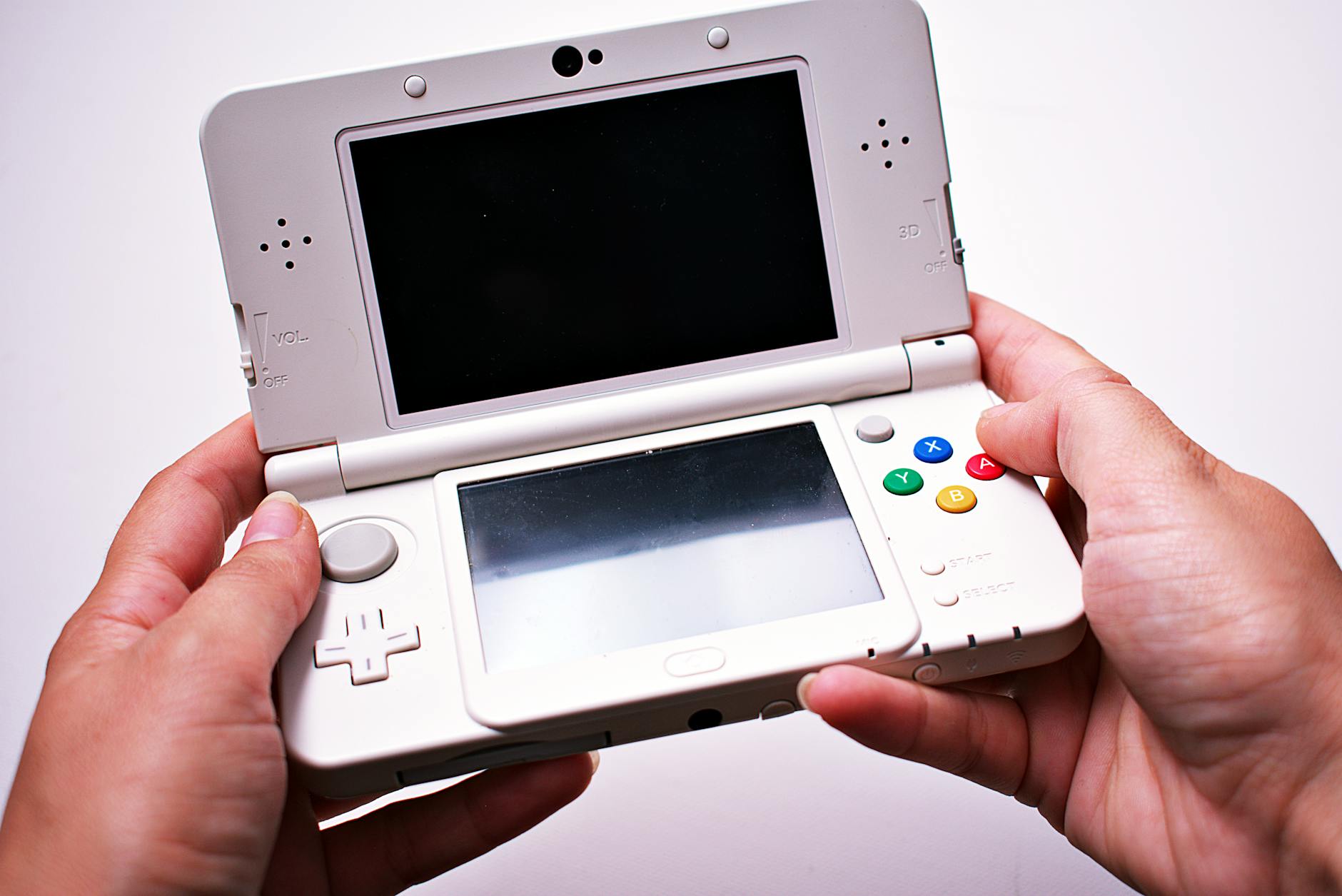
The Steam Deck’s impact on laptop design continues to expand as manufacturers recognize that portable gaming requires different approaches than traditional desktop gaming. Future laptop generations will likely include even more handheld-inspired features as the market demands true gaming portability.
Upcoming laptop designs reportedly include modular controller attachments, improved haptic feedback systems, and even more aggressive power management options. These developments suggest that the Steam Deck’s influence will continue shaping laptop design for years to come.
As gaming continues to evolve toward more accessible and portable experiences, laptop manufacturers who embrace Steam Deck-inspired design principles are positioning themselves for success in an increasingly mobile gaming market. The handheld didn’t just create competition-it redefined what portable gaming could become.
Frequently Asked Questions
How has the Steam Deck influenced gaming laptop design?
It has inspired manufacturers to focus on portability, efficient cooling, better power management, and handheld-style user interfaces rather than just raw performance.
What specific features have laptops borrowed from the Steam Deck?
Touch controls, gamepad integration, frame rate capping, variable refresh displays, and gaming-focused interface overlays that prioritize game libraries over desktop environments.