




Nintendo’s mobile gaming division has quietly become one of the company’s most profitable ventures, generating billions in revenue that’s now directly funding development of the highly anticipated Switch successor. While fans debate hardware specifications and release dates, the real story lies in how Fire Emblem Heroes, Pokemon GO partnerships, and Mario Kart Tour have created a financial foundation for Nintendo’s next console generation.
The mobile gaming surge began in 2016 when Nintendo finally embraced smartphone platforms after years of resistance. What started as an experimental venture has evolved into a strategic cash engine, with mobile titles generating over $1.8 billion in lifetime revenue across all Nintendo mobile properties. This steady income stream provides the company with unprecedented flexibility in hardware development cycles, allowing for longer development periods and more ambitious technical goals.
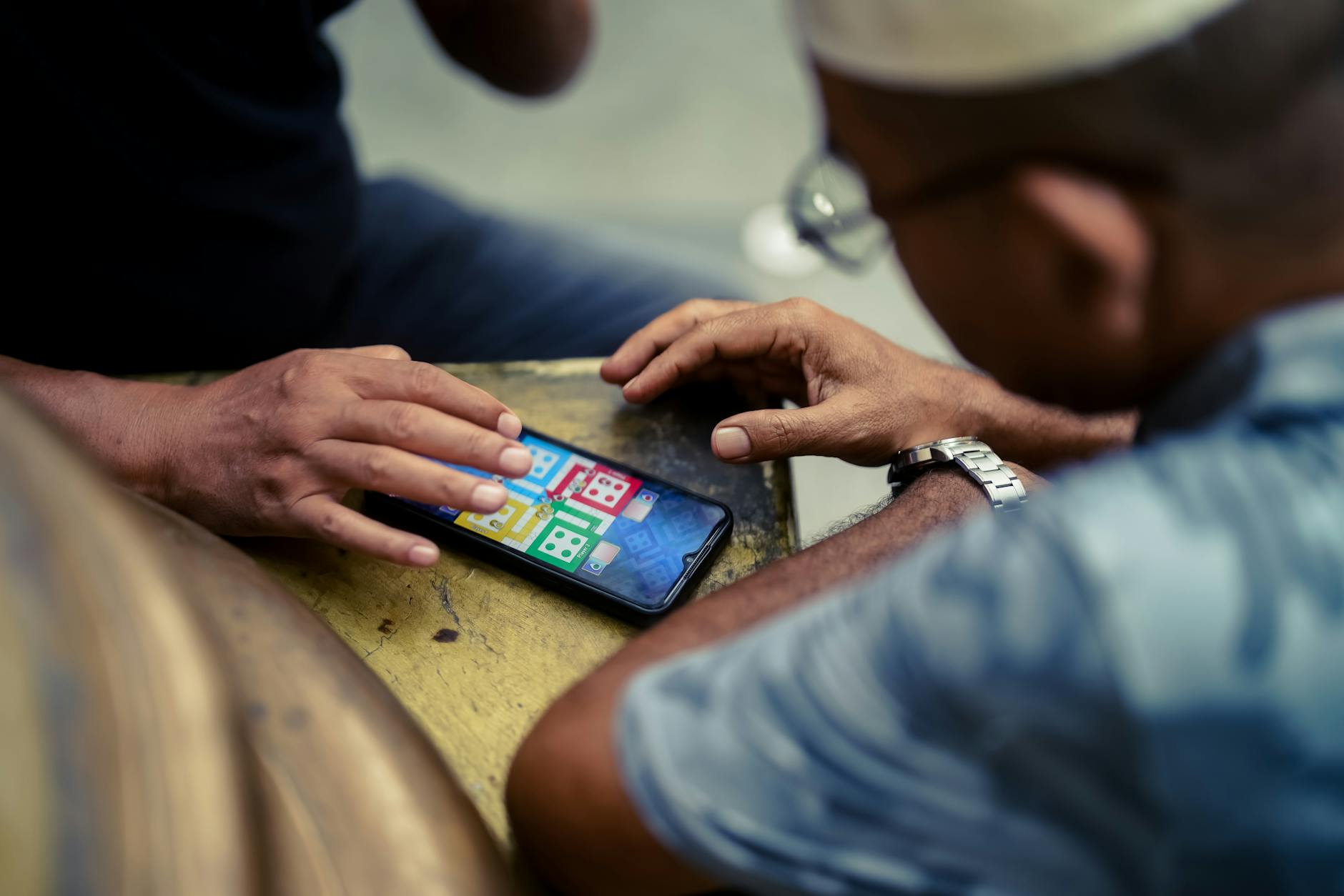
Mobile Revenue Streams Powering Hardware Innovation
Fire Emblem Heroes stands as Nintendo’s mobile crown jewel, consistently ranking among top-grossing mobile games worldwide. The tactical RPG has generated over $900 million since launch, with players spending heavily on character summons and battle passes. This success stems from Nintendo’s strategic approach to mobile monetization – offering compelling gameplay while maintaining the quality standards that define their console experiences.
Pokemon GO’s revenue-sharing partnership with Niantic represents another crucial income source. While Nintendo doesn’t directly develop the game, their licensing agreements and character partnerships contribute significantly to mobile earnings. The game’s continued success, particularly during seasonal events and new generation releases, provides steady royalty payments that support hardware development budgets.
Mario Kart Tour initially struggled to match Fire Emblem Heroes’ success, but recent updates and racing gameplay improvements have stabilized its revenue generation. The game’s monthly pass system and character unlock mechanics create predictable income streams that financial planners can incorporate into long-term hardware development projections.
Development Investment Strategies
Nintendo’s mobile profits follow a structured reinvestment model, with specific percentages allocated to future hardware development. Industry sources suggest that roughly 40% of mobile gaming profits flow directly into research and development for upcoming console projects. This funding model allows Nintendo to maintain their traditional approach of taking time to perfect hardware rather than rushing to market with incremental upgrades.
The Switch successor development reportedly began in 2019, coinciding with Fire Emblem Heroes reaching peak profitability. Engineering teams have used mobile revenue to explore advanced processing architectures, improved battery technologies, and enhanced display systems. Unlike previous console generations where Nintendo relied primarily on hardware sales to fund the next system, mobile income provides a buffer that reduces financial pressure during extended development cycles.

This financial stability explains Nintendo’s patient approach to hardware announcements. While competitors rush annual hardware iterations, Nintendo can afford to wait until their next system meets internal quality standards. Mobile revenue essentially subsidizes the luxury of extended development time, allowing engineers to refine features rather than compromise on specifications to meet aggressive launch deadlines.
Strategic Mobile-Console Integration
Nintendo’s mobile strategy extends beyond simple revenue generation into ecosystem development. Mobile games serve as marketing platforms for console properties, introducing younger audiences to Nintendo franchises through free-to-play experiences. This approach creates a funnel effect where mobile players eventually migrate to full console experiences, driving hardware sales alongside software purchases.
The integration becomes apparent in cross-platform promotional events. Animal Crossing: Pocket Camp regularly features items and characters from New Horizons, while Fire Emblem Heroes promotes new console releases through special summoning events. These collaborations maintain engagement across platforms while generating additional mobile revenue through themed content purchases.
Data analytics from mobile platforms provide valuable insights for console development. Player behavior patterns, preferred game mechanics, and spending habits inform decisions about console game development and hardware features. Nintendo uses this information to optimize the Switch successor’s design for maximum player engagement and long-term profitability.
Future Hardware Development Timeline
Current mobile revenue trends suggest Nintendo can maintain their patient hardware development approach through 2025 and beyond. Fire Emblem Heroes continues generating steady monthly revenue, while new mobile projects in development promise additional income streams. This financial cushion allows Nintendo to focus on revolutionary rather than evolutionary hardware improvements.

The Switch successor development benefits from this extended timeline through advanced component integration and comprehensive testing phases. Rather than launching with known compromises, Nintendo can invest mobile profits in premium components and extensive quality assurance programs. This approach mirrors their historical hardware philosophy while leveraging modern revenue diversification strategies.
Industry analysts expect Nintendo’s mobile division to contribute even more significantly to future hardware projects as smartphone gaming markets expand globally. New markets in Southeast Asia and Latin America present untapped revenue opportunities that could fund increasingly ambitious console development projects.
Nintendo’s mobile gaming success story demonstrates how traditional console manufacturers can adapt to changing market conditions while maintaining core business principles. The revenue generated from smartphone platforms now provides the financial foundation for console innovation, ensuring that the Switch successor development proceeds without the budget constraints that historically limited Nintendo’s hardware ambitions. As mobile revenues continue growing, Nintendo’s ability to take calculated risks on groundbreaking console features only strengthens, positioning them uniquely in an increasingly competitive gaming hardware landscape.
Frequently Asked Questions
How much revenue do Nintendo’s mobile games generate?
Nintendo’s mobile properties have generated over $1.8 billion in lifetime revenue, with Fire Emblem Heroes alone contributing over $900 million.
When will Nintendo announce the Switch successor?
Nintendo hasn’t announced a timeline, but mobile revenue allows them to develop at their own pace without rushing to market.