



When the Train Stops, So Does Your Progress
Donkey Kong Bananza has been a genuine hit for the Switch 2 since launch, drawing players in with its chaotic destruction mechanics and layers of hidden secrets. But a quieter complaint has been growing among a specific group of players – the ones squeezing in sessions on their morning commute, on lunch breaks, or during short windows of downtime – who keep running into the same wall: the game doesn’t always let you stop when life does.
The save system in Bananza is not broken. It’s not even particularly unusual by Nintendo’s standards. But the combination of long level sequences, infrequent auto-save triggers, and a lack of a dedicated suspend-from-anywhere option is creating friction that feels out of step with how a lot of Switch 2 owners actually play. The handheld is supposed to be the point. This design cuts against it.
What the Save System Actually Does
Bananza saves progress at specific checkpoints tied to story beats and world transitions. Players who complete a full stage sequence and reach an appropriate milestone will see their progress logged. Those who bail out early – because their stop arrived, because a meeting started, because a kid needs something – may return to find themselves pushed back further than expected. The game does not offer a manual save option that players can trigger at will.
Nintendo has used checkpoint-based and auto-save structures across many of its major franchises for years, and it rarely causes widespread outcry when those games are played on a TV in 90-minute stretches. The design logic there is sound enough – it creates natural pacing and discourages cherry-picking progress. Bananza applies that same logic to a platform where session length is frequently not the player’s choice.
There’s no suspend point system equivalent to what the Nintendo Switch Online retro library offers, and there’s no quick-save shortcut buried in a pause menu. What exists is what exists: save when the game decides to save, or accept the possibility of replaying content you’ve already cleared.
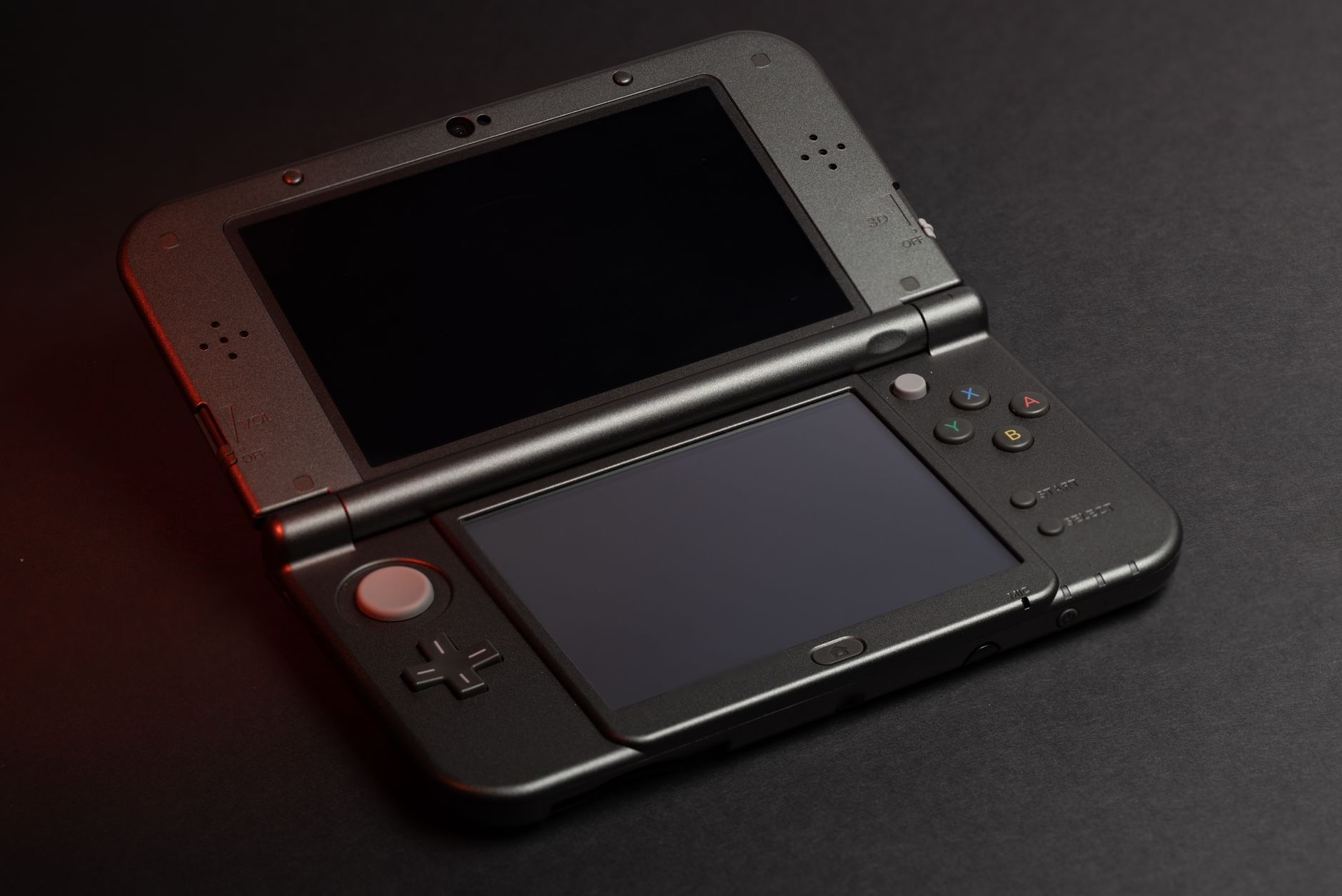
The Handheld Promise vs. the Design Reality
Nintendo built its entire Switch 2 pitch around flexibility. The marketing centers on the idea that players move between TV and handheld without interruption, that the device fits life rather than demanding life fits around it. That promise works well for games that were designed with short-burst sessions in mind, or that allow saves at nearly any moment.
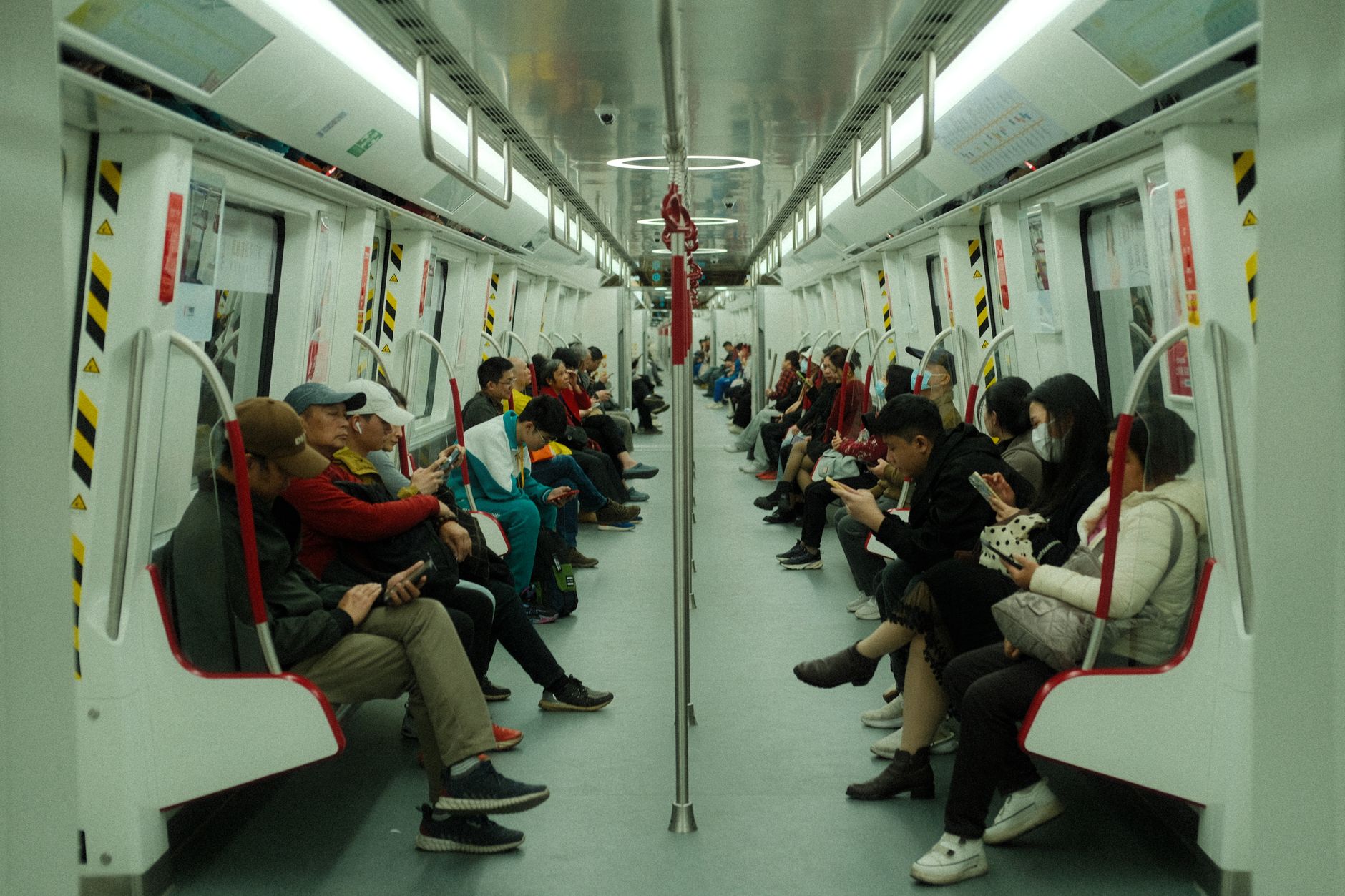
Bananza was clearly designed as an experience. Its worlds reward extended exploration, and its structure encourages players to push deeper into a zone before coming up for air. That’s a legitimate creative choice, and for players at home it works. For the person with 25 minutes on a subway car, it’s a mismatch that doesn’t resolve itself just because the hardware can technically go anywhere.
Why This Keeps Coming Up
Player frustration with save systems isn’t new, but the specific complaints around Bananza keep appearing in handheld contexts rather than home-play contexts. Players report finishing what feels like a satisfying stopping point, putting the Switch 2 to sleep, and returning later to find the auto-save fired earlier than expected. The sleep mode preserves the running state, which helps, but it’s not a permanent solution – a system update, a dead battery, or a crash wipes that buffer entirely.
Battery life is the variable nobody fully controls. A Switch 2 session that starts at 60 percent charge doesn’t always end gracefully. Players who drain the battery mid-session without hitting a checkpoint lose that progress with no recourse. The save system offers no protection against this scenario because it was not designed around the worst-case version of portable play.
There’s also a deeper issue around how Bananza structures its rewards. Secrets, hidden rooms, and collectibles are scattered across large zones that often require sustained engagement to fully explore. A player who uncovers a series of secrets in a zone but doesn’t reach the next save trigger keeps none of that discovery. They’ll know where to look on the next attempt, but the game won’t remember what they found. For completionists playing in short windows, this is a compounding problem, not an occasional inconvenience.

Nintendo has patched save-related issues before in response to player feedback – Bananza’s commercial momentum gives the company strong reason to keep the player base satisfied through the holiday window. Whether that extends to a patch that adds a suspend point or a manual save option isn’t clear. What is clear is that the players raising this issue aren’t asking for the game to be easier – they’re asking for the game to respect the conditions under which they’re actually playing it. Those are different requests, and only one of them is being heard right now.