

The Cameo Nobody Asked For (But Everyone Now Wants More Of)
Pauline has always occupied an awkward corner of Nintendo’s roster – beloved by longtime fans, sidelined for decades, and only recently restored to relevance through her role as New Donk City’s mayor in Super Mario Odyssey. Her appearance in Donkey Kong Bananza was unexpected, brief, and deliberately understated. Nintendo clearly positioned it as a nod, a wink, a small reward for attentive players. What they may not have anticipated is how loudly that small moment would echo across the community.
Since the game’s release, fan forums, social threads, and comment sections have filled with a specific, insistent question: why doesn’t Pauline have her own game?
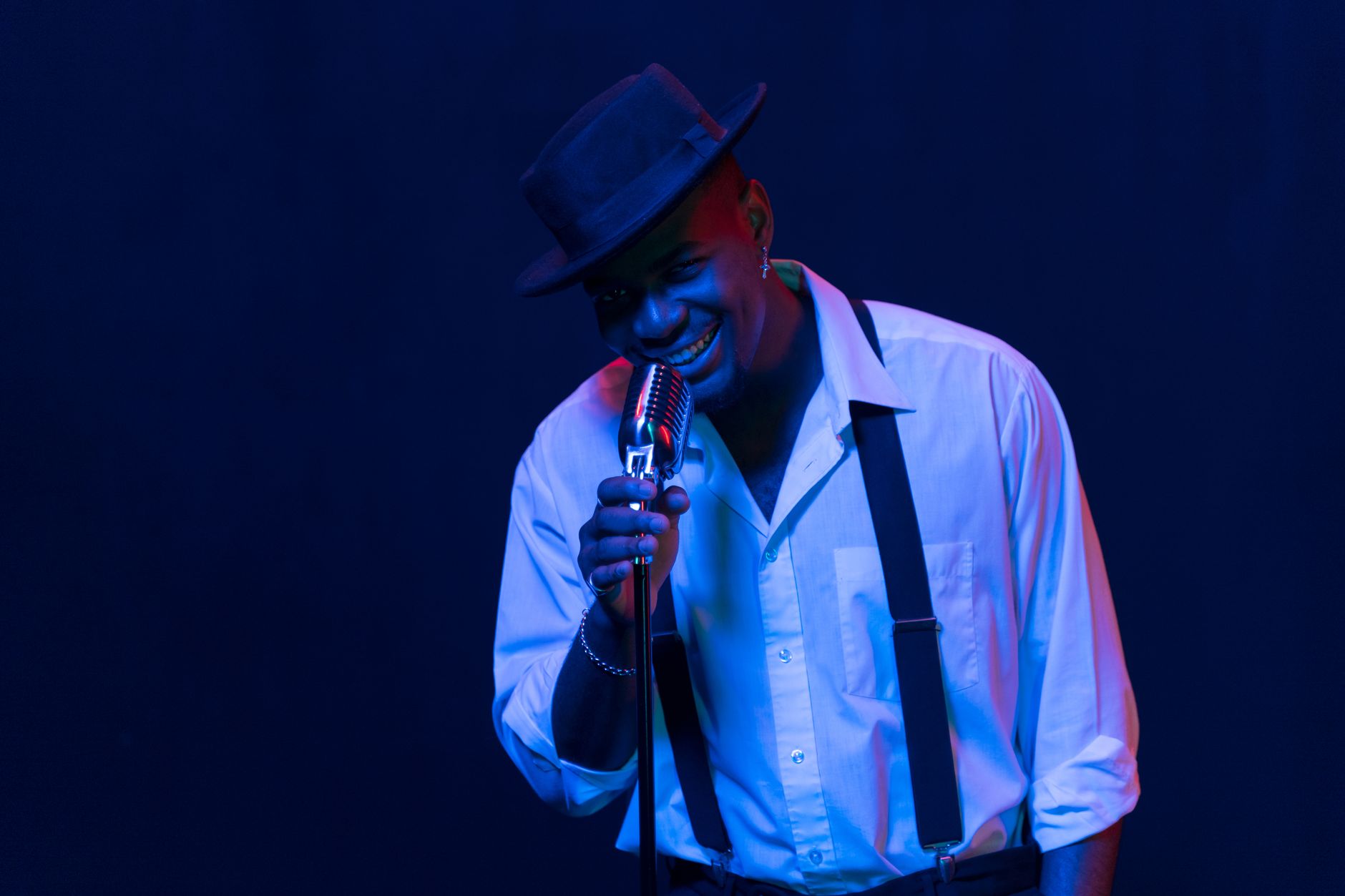
It’s a reasonable ask. Pauline’s history with the Donkey Kong franchise predates Mario’s name being Mario. She was the original damsel in the original arcade classic, and her recent reinvention as a charismatic, jazz-singing city mayor added genuine depth to a character who had spent years as a footnote. Her cameo in Bananza reminded players that she exists in the same world as Donkey Kong – and that creative tension is now pulling in an interesting direction.
What the Cameo Actually Does in the Game
Without spoiling the specific context, Pauline’s appearance in Donkey Kong Bananza is not a throwaway Easter egg. She’s present in a way that acknowledges her shared history with DK, and the game gives her enough personality to feel like a character rather than a decoration. That’s the detail fans keep coming back to: Nintendo didn’t just drop her in as a reference. They wrote her with intention.
That choice carries weight. When a studio as deliberate as Nintendo takes the time to give a legacy character a purposeful role in a major release, it usually signals something. It could be simple continuity management, keeping Pauline visible while the Mario side of the franchise rests. It could be active groundwork for something larger. Most players seem to be betting on the latter, and the volume of spin-off requests suggests that bet feels safe to make.
The requests aren’t vague either. Fans are pitching specific concepts: a rhythm-action game built around her musical persona, a New Donk City-set platformer with a jazz soundtrack, even a narrative adventure that revisits the original arcade story through a modern lens. The specificity of those ideas says something about how much creative investment the community has already placed in her character.
Why This Moment Feels Different From Past Pauline Hype
Super Mario Odyssey generated Pauline enthusiasm too, but that enthusiasm never really hardened into sustained demand. She was a scene-stealer in a Mario game, which meant the conversation always drifted back to Mario. Donkey Kong Bananza changes that dynamic by placing her in a franchise that operates with more independence from the mainline Mario series. DK games have their own identity, their own tone, their own audience. Pauline appearing here feels less like a guest slot and more like a statement of belonging.
There’s also the timing. Nintendo has been gradually expanding how it handles legacy IP, and Bananza itself is evidence of renewed investment in Donkey Kong as a franchise worth developing seriously. The game’s critical reception has already renewed pressure on Nintendo to push the DK franchise further, and Pauline’s cameo sits inside that same conversation about what the expanded DK universe could look like. A spin-off centered on her would not require building from scratch – the character design, vocal direction, and lore connections are already in place.
That said, Nintendo’s track record with spin-off follow-through is inconsistent. Characters far more prominent than Pauline have generated enormous fan demand without seeing standalone projects materialize. The gap between what the community wants and what Nintendo greenlit has historically been wide, and there’s no confirmed development activity around a Pauline project at this time.
A Character Ready to Carry Something
What separates Pauline from most “fans want a spin-off” scenarios is that the creative case is actually there. She has a distinctive aesthetic, a musical hook that could anchor a game’s entire design identity, a connection to two of Nintendo’s most iconic franchises, and a backstory that has never been fully explored in a playable format. The cameo in Bananza didn’t create that potential – it just reminded a large audience that the potential exists and has been sitting unused for years. Nintendo now has a vocal, specific, motivated portion of its fanbase pointing at Pauline and asking the same question repeatedly. Whether that’s enough to move a greenlight decision inside Kyoto is another matter entirely – but the ask has never been louder or more detailed.