


Donkey Kong Bananza arrives with serious momentum – a new mainline entry, a fresh art direction, and Nintendo’s biggest push for the IP in years. But one conspicuous absence is already drawing attention from longtime fans: the minecart.
A Signature Mechanic That Helped Define a Franchise
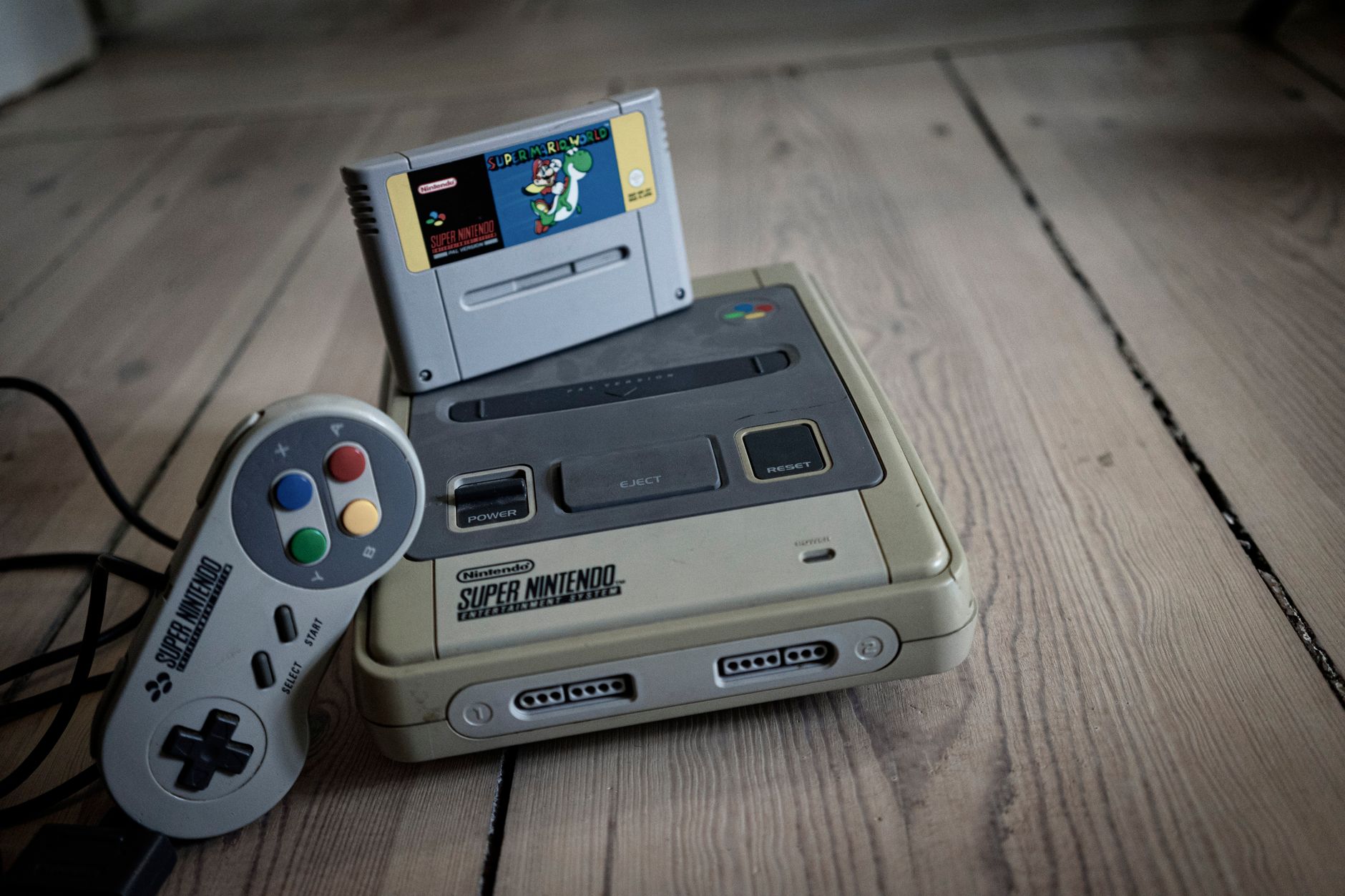
When Rare introduced minecart sequences in Donkey Kong Country back in 1994, they weren’t just a stage gimmick. They were a design statement – fast, punishing, rhythmically demanding sections that forced players to read the track ahead and commit to split-second jumps with zero margin for error. The screen scrolled whether you were ready or not. That relentlessness became part of the franchise’s identity.
The minecart stages returned in Donkey Kong Country Returns and Donkey Kong Country: Tropical Freeze, each time updated with tighter controls and more elaborate track design. Retro Studios understood what those sequences communicated to the player: speed, danger, momentum. They weren’t nostalgia bait. They were functional tools for escalating tension mid-game, breaking up the rhythm of standard platforming without abandoning the core challenge.
Bananza, developed by Nintendo EPD rather than Retro Studios, takes a noticeably different approach to the franchise’s visual and mechanical vocabulary. The game leans into destructible terrain, three-dimensional movement, and transformation-based combat. It’s a genuine design evolution. But that pivot comes with trade-offs, and the minecart is the most visible casualty so far.
None of this is accidental. Nintendo EPD is not trying to make a Retro Studios game. The problem is that for a significant portion of the fanbase, the minecart isn’t a Retro Studios invention – it’s a Donkey Kong invention. Removing it feels less like a creative choice and more like a missing ingredient.

Why the Absence Hits Harder Than Expected
Game design omissions tend to go unnoticed when a sequel expands on its predecessor’s framework. Players notice what’s added. But when a title makes a more dramatic directional shift – as Bananza clearly does – the subtractions become just as visible as the additions. Fans who grew up cataloguing every barrel cannon and animal buddy aren’t going to miss a missing minecart sequence quietly.
The issue is partly functional and partly emotional. On the functional side, minecart stages served a pacing role that very few other stage types could replicate. They removed player agency in the movement axis, which sounds counterintuitive as a design strategy but actually created a specific kind of focused tension. You couldn’t stop. You couldn’t backtrack. You could only react. That design constraint produced some of the most memorable moments in the series – not because the levels were the hardest, but because they felt unlike anything else in the game.
On the emotional side, the minecart carries thirty years of accumulated weight. Players who first jumped over those gaps on the Super Nintendo are now in their thirties and forties. When they pick up a new DK game, those sequences carry a kind of shorthand significance. Their absence signals something about what kind of game this is going to be – and that signal isn’t landing warmly with everyone.
It’s also worth thinking about what Bananza’s design priorities leave room for. The game’s emphasis on terrain destruction and physics-based momentum is genuinely interesting, and some of those mechanics could theoretically produce sequences that feel as kinetic as any minecart stage. But that potential hasn’t been visibly realized in any pre-release material, and the framing around the game hasn’t addressed the gap. Nintendo hasn’t acknowledged the absence, which means fans are left to interpret it themselves.
The discourse here isn’t simply nostalgia-driven backlash. The quiet sidelining of beloved franchise elements is a pattern worth watching across Nintendo’s catalog, and Bananza fits that pattern in a way that feels less like a conscious creative statement and more like a default. The minecart didn’t get replaced. It just didn’t show up.

What This Tells Us About Nintendo EPD’s Vision
Nintendo EPD is building something distinct from the Retro Studios era of Donkey Kong, and there’s nothing inherently wrong with that. Different developers bring different instincts, and Bananza’s emphasis on environmental interaction shows a team thinking seriously about what the Switch 2 hardware can do. But distinction comes with responsibility to the fanbase, and a franchise with this much history doesn’t get a clean slate just because the developer changes.
The real test isn’t whether Bananza is good – early impressions suggest it will be. The test is whether it earns its Donkey Kong title through its own design logic, or whether it wears the IP as branding while quietly discarding the mechanics that made fans care about it in the first place. A minecart sequence isn’t a mandatory inclusion. But its absence leaves an open question about which parts of this franchise Nintendo EPD actually considers worth carrying forward.
Frequently Asked Questions
Does Donkey Kong Bananza have minecart levels?
Based on pre-release materials, Donkey Kong Bananza does not appear to include traditional minecart stages, which have been a staple of the franchise since the original Donkey Kong Country.
Who is developing Donkey Kong Bananza?
Donkey Kong Bananza is developed by Nintendo EPD, not Retro Studios, which handled the Donkey Kong Country Returns and Tropical Freeze entries.