


The Missing Second Player
Donkey Kong Bananza launched to genuine excitement – a showcase title for Nintendo Switch 2, built around destruction physics and a fresh take on the classic ape’s universe. But somewhere between the marketing blitz and the day-one reviews, a very specific frustration went largely unaddressed: there is no traditional two-player co-op mode. For a franchise that built decades of goodwill on couch multiplayer, that absence is landing differently in households with young kids than it is in gaming publications.
The game does include a cooperative element, but it is not what most parents picture when they imagine sitting down to play alongside a child. Bananza offers an “assist” style setup where a second player can control Pauline in a limited capacity – jumping in to help during certain moments rather than sharing the screen as a full partner. It is functional. It is also deeply unsatisfying for anyone who sat down expecting something closer to Donkey Kong Country’s two-player experience.
That gap between expectation and reality is quietly souring what should be one of Nintendo’s strongest family gaming moments of the year.
What Parents Actually Wanted
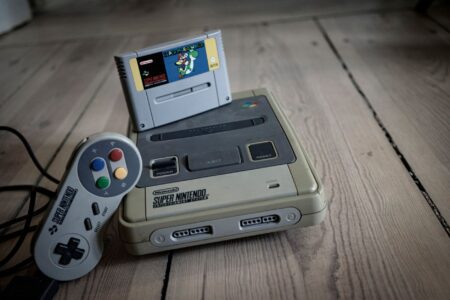
The Donkey Kong Country series on Super Nintendo and Game Boy Advance defined a generation of couch co-op. Two players, equal footing, taking turns or playing simultaneously depending on the mode – it was simple, it was fun, and it scaled naturally to the parent-child dynamic. One person handles the harder jumps, the other carries momentum, and both feel like they belong in the game. That template stuck in the cultural memory of anyone who grew up gaming in the 1990s and is now raising kids of their own.
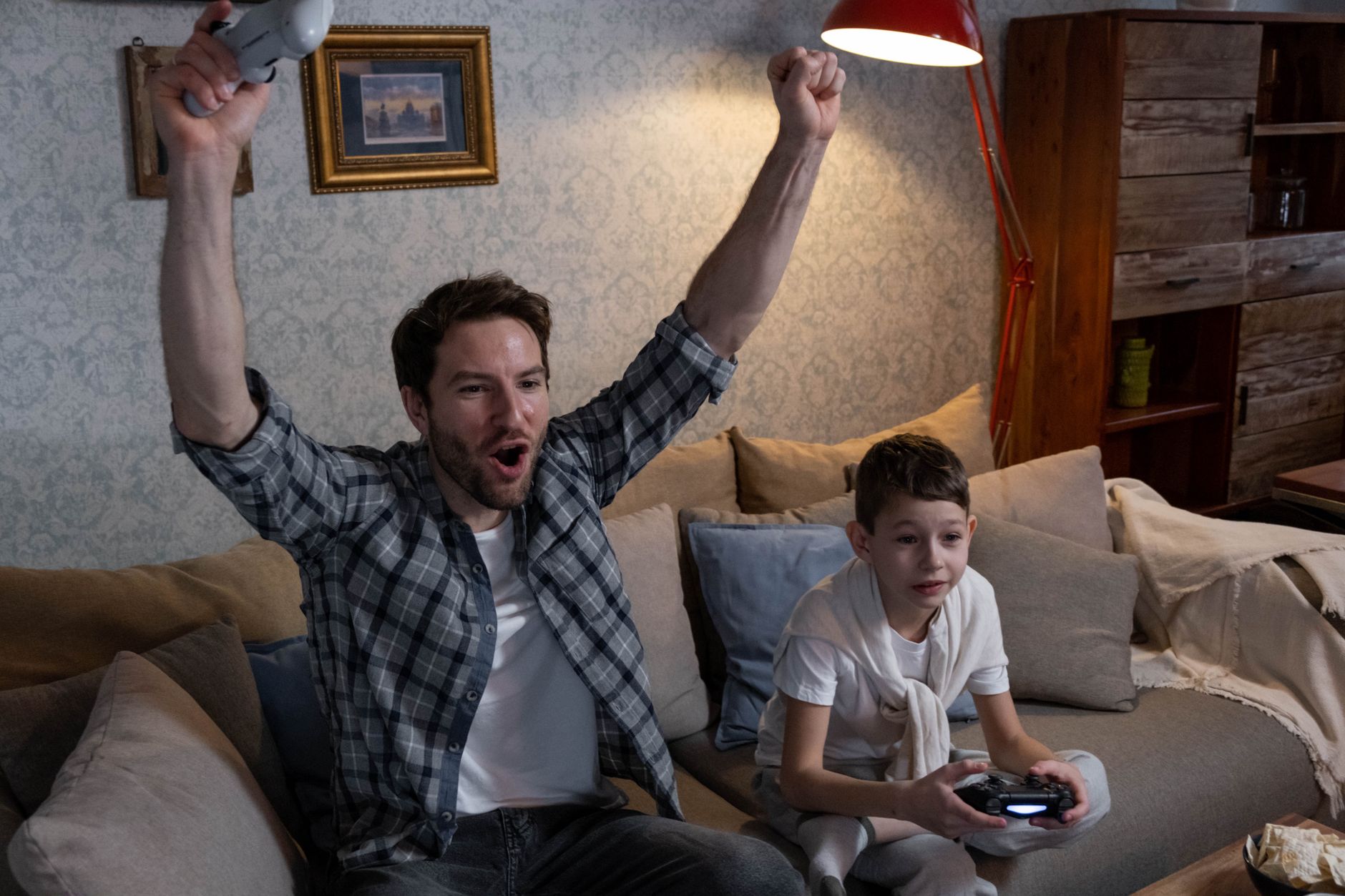
Bananza’s assist model is not that. Pauline’s role in co-op is supportive rather than parallel, which means younger players are never quite steering their own experience. They are helping, not playing. For a five or seven-year-old who wants to feel like they are genuinely part of the adventure, there is a meaningful difference between guiding your own character through a level and pressing buttons to occasionally assist someone else’s run. Parents who bought the game specifically as a shared experience have noticed this distinction immediately.
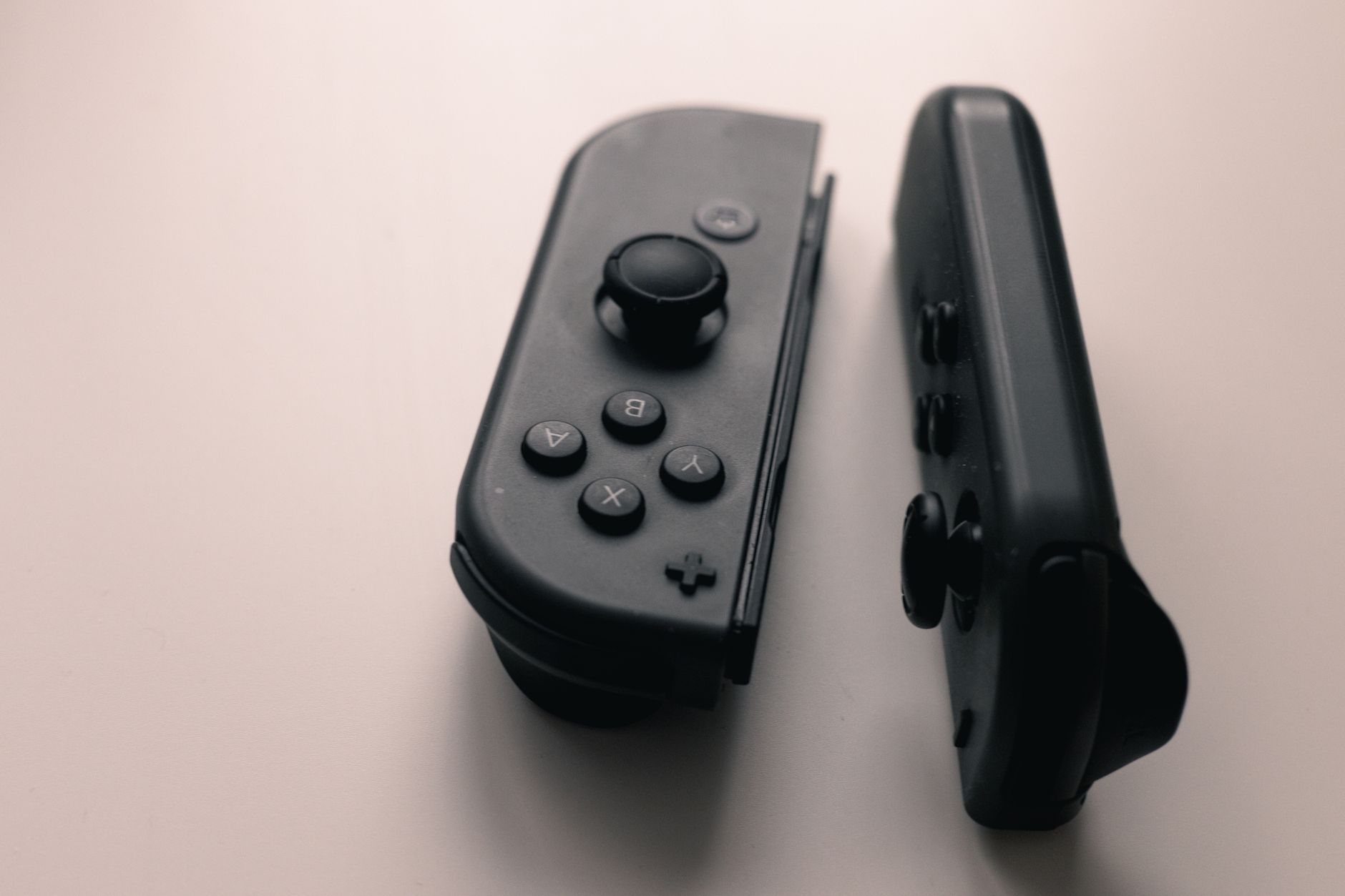
There is also the hardware angle. Nintendo Switch 2 ships with two controllers, and the system is actively marketed as a social, living-room-friendly platform. Buying a game that cannot fully use both controllers in a meaningful co-op format creates a friction point that feels avoidable.
Nintendo’s Selective Co-Op Logic
Nintendo is not opposed to co-op in its major releases. Mario Kart 8 Deluxe supports it. Super Mario Bros. Wonder included it as a central feature. Even Kirby titles, aimed at a younger demographic, routinely ship with full multiplayer as a selling point. The company clearly understands the value of shared-screen play – which makes the Bananza decision feel less like a resource limitation and more like a deliberate design philosophy that did not fully account for the family market it was courting.
The argument for the current system is that Bananza’s destruction mechanics are deeply tied to DK’s specific moveset and physics interactions. Adding a second fully independent character moving through the same destructible environment may have introduced technical complexity that the development team decided was not worth solving before launch. That is a reasonable creative call. It does not make the outcome less frustrating for a parent who wanted to play alongside their kid on a Saturday afternoon without one of them being demoted to a support role.
It is worth comparing this to how Bananza’s lack of Funky Mode has pushed out casual fans – a separate accessibility concern that points to the same underlying tension. The game is clearly built around a certain kind of player, and everyone adjacent to that player is left to adapt rather than be accommodated.
A Frustration That Will Linger
Post-launch patches are always theoretically possible, and Nintendo has occasionally expanded multiplayer options after a game’s initial release. But counting on that as a solution is a stretch, especially for a feature as structurally embedded as co-op. The more realistic outcome is that Bananza stays exactly as it launched, and families either learn to work with the assist system or accept that this is a solo experience with a light cooperative wrapper.
What makes this sting a little more than a standard missing feature is the timing. Nintendo Switch 2 is still establishing its identity as a family console, and Bananza is one of its anchor titles. A fully realized two-player co-op mode would have reinforced the system’s living-room appeal at exactly the right moment. Instead, the game quietly asks one player to step back – and in most households, that player ends up being the kid.
Nintendo designed Bananza around DK and Pauline as a duo, and the story sells that partnership beautifully. But the gameplay does not extend that partnership to the people sitting on the couch.
Frequently Asked Questions
Does Donkey Kong Bananza have two-player co-op?
Not in the traditional sense. Bananza includes an assist-style co-op where a second player controls Pauline in a limited support role, rather than as a full independent character.
Can kids play Donkey Kong Bananza with a parent?
Yes, but only through the assist system. The second player has a restricted role and cannot explore the game as an equal partner, which some families find unsatisfying.