


A Mode That Made the Difference Is Gone
Donkey Kong Bananza arrives as one of Nintendo’s biggest Switch 2 launches, a full-blown 3D platformer that marks the franchise’s first major console outing in over a decade. The excitement is real – the visuals are sharp, the destruction mechanics are genuinely inventive, and longtime fans are thrilled to have DK back in a starring role. But a specific group of players is already feeling left out before they even boot up the cartridge.
Funky Mode, introduced in the Nintendo Switch version of Donkey Kong Country: Tropical Freeze, let players select Funky Kong as a playable character with an extended health bar, extra lives, and forgiving hitboxes. It was not a cheat code or a secret unlock. It was a built-in difficulty option that allowed younger players, people new to platformers, and anyone who simply wanted a less punishing experience to actually finish the game. Bananza launches without anything like it.
What Funky Mode Actually Did for Players
The conversation around Funky Mode has always been slightly muddled because critics of the feature framed it as making the game “too easy.” That framing misses the point. Tropical Freeze was already a demanding platformer for experienced players – Funky Mode did not remove the challenge for that audience, it created a parallel path for a different one. Both groups could play the same game at the same time, without compromise on either side.
For families playing together, the mode was practical in a way that no amount of extra continues could replicate. A parent could hand the controller to a child and not spend the next hour watching them hit the same obstacle wall. For players with limited mobility or reaction-time differences, the extended hitboxes removed a layer of frustration that had nothing to do with skill or investment in the game. Funky Mode was, at its core, a player retention tool dressed up as a character skin.
Nintendo has generally moved toward broader accessibility options in recent years – features like assist modes, adjustable difficulty, and hint systems have appeared across various titles. The absence of anything comparable in Bananza is a step backward from that direction, and it lands harder because the franchise already had a working solution sitting right there in its recent history.
Bananza’s Difficulty Curve and Who It Hits
Early player reports describe Donkey Kong Bananza as a game with a confident, sometimes unforgiving difficulty slope. The destruction-based traversal adds a layer of complexity that Tropical Freeze, for all its challenge, did not have. Players are expected to read terrain, manage momentum, and react quickly in three-dimensional space – skills that take time to build. Without a softer entry point, that learning curve becomes a wall for a portion of the audience.
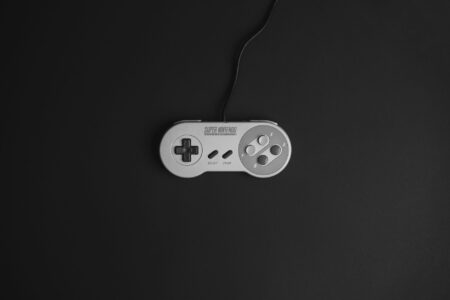
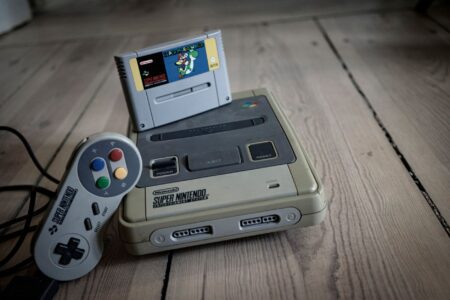
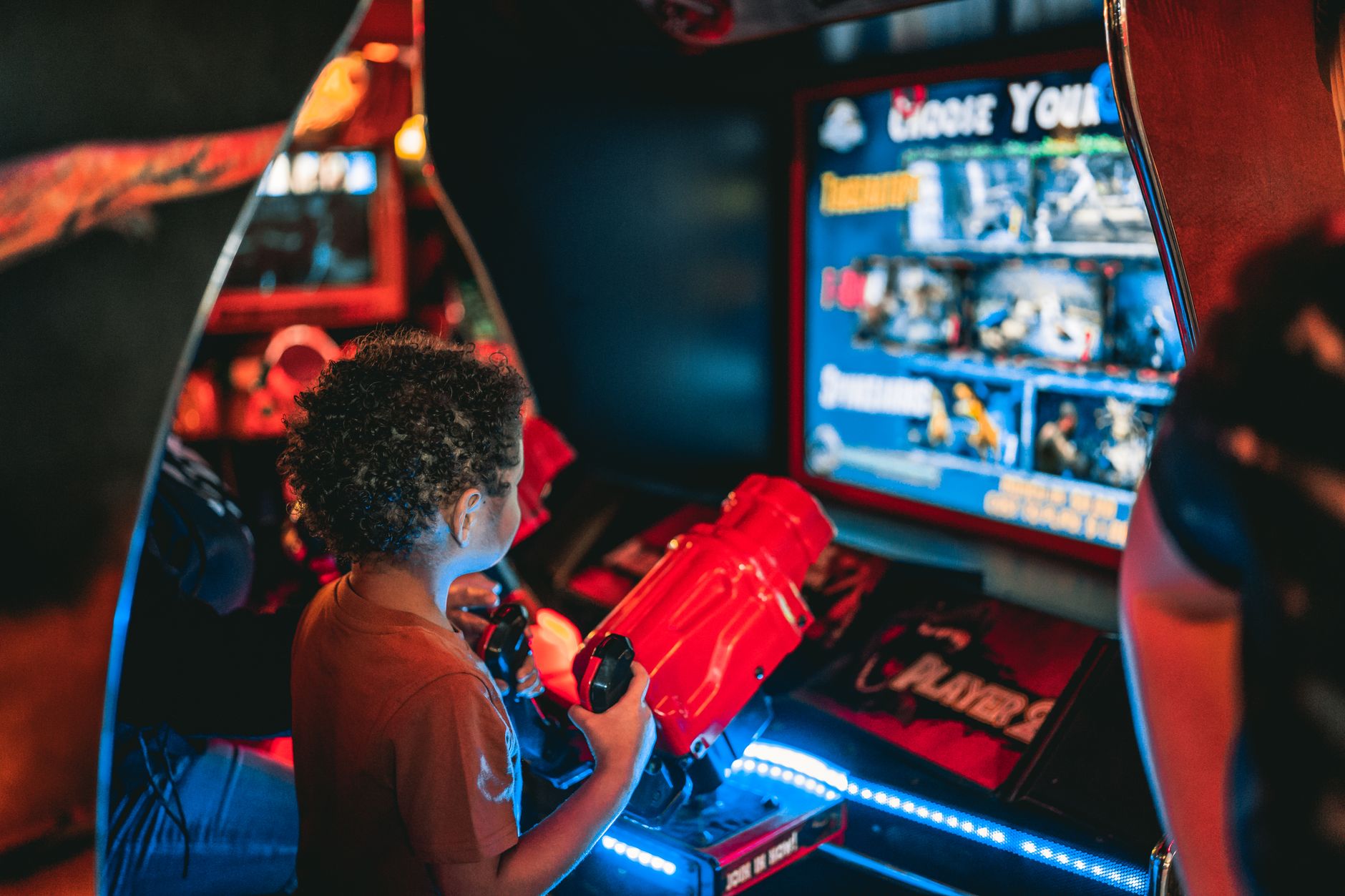
Nintendo’s core demographic for a Donkey Kong title is not exclusively hardcore platformer fans. The franchise carries decades of family recognition. Parents who played the original SNES games are buying this for their kids, and those kids are running into a game that has no structural mercy for beginners. That gap between brand expectation and actual difficulty is exactly the kind of mismatch that turns a strong opening weekend into a short play session for a meaningful chunk of buyers.
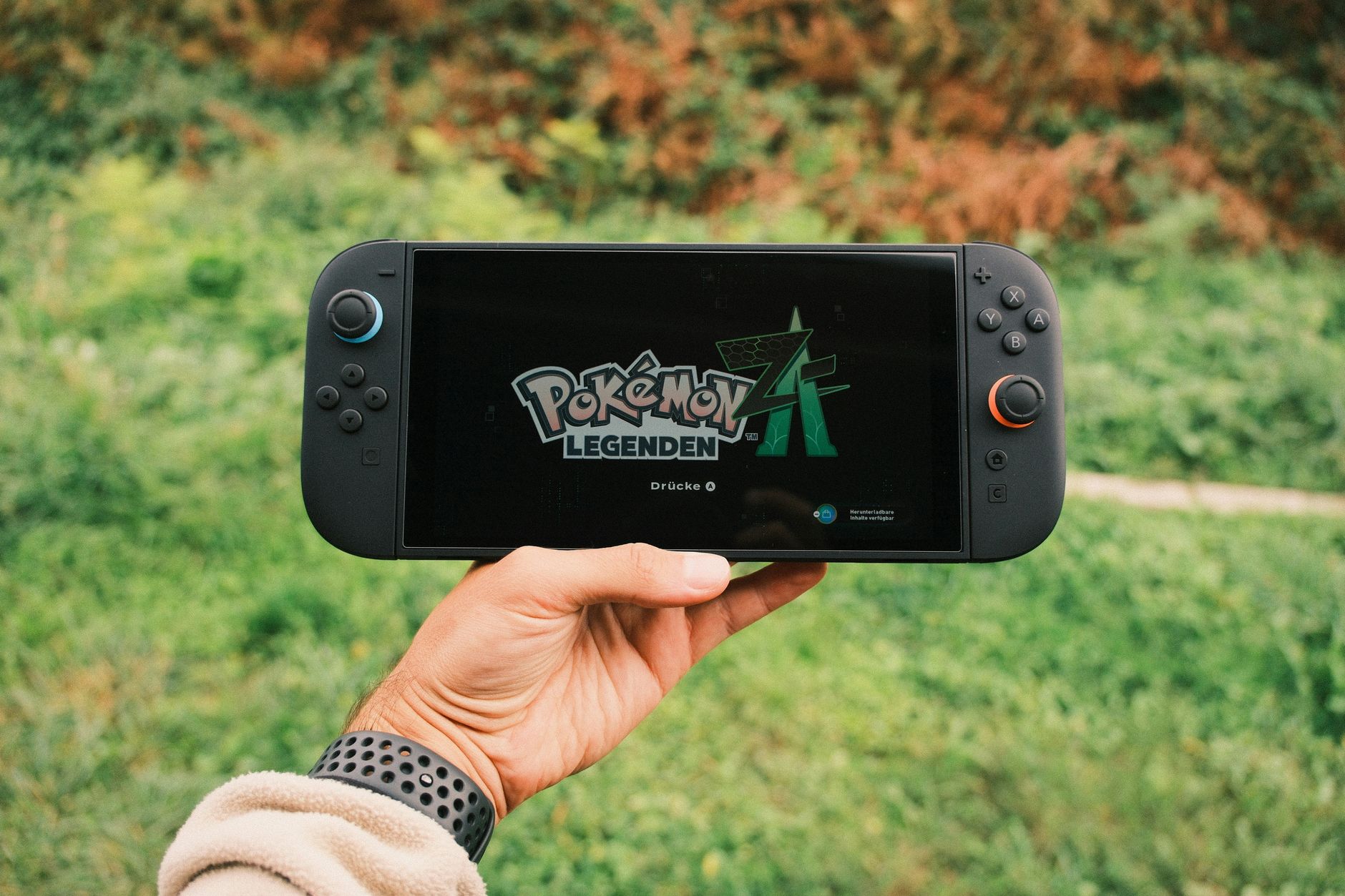
There is also a broader conversation happening around Nintendo’s approach to accessibility on Switch 2 more generally. The platform launched with hardware concerns already drawing attention – questions around Joy-Con 2 drift reliability have been circulating since early adopters got hands-on time – and software that adds friction for casual players compounds that anxiety. For a console trying to establish itself as a household device, not just a core gamer machine, the experience needs to meet people where they are.
The argument that difficulty should remain untouched because “that’s the intended experience” ignores a simple reality: a player who stops playing because the game is too hard is not having any experience at all. Funky Mode in Tropical Freeze did not dilute the game for skilled players. It widened the room. Donkey Kong Bananza, a showcase title for a new console generation, released without that room – and some players are already standing outside the door.