



The Docked Experience Everyone Is Talking About
Donkey Kong Bananza launched on Nintendo Switch 2 to the kind of reception that makes console manufacturers exhale slowly. Players have flooded social media and review threads with specific, repeated praise for one thing above all others: how the game looks and performs when plugged into a television. The crisp resolution, the fluid frame rate, the sheer visual weight of DK tearing through destructible terrain – all of it lands harder on a big screen. That consensus is becoming a problem for a certain group of Nintendo fans.
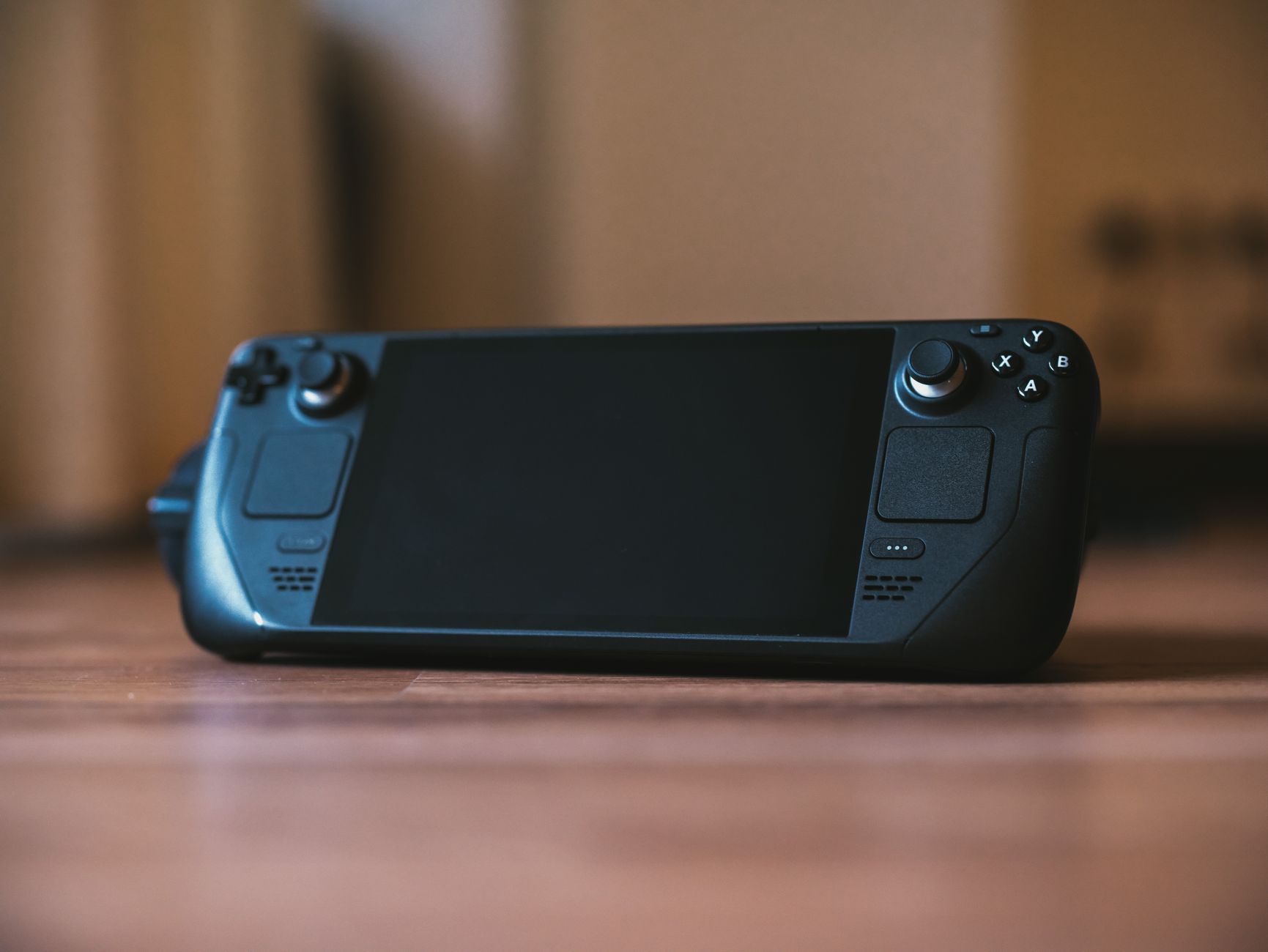
A vocal portion of the Nintendo community has spent months speculating about a Switch 2 Lite – a handheld-only version of the console that would trim the hardware down to a lower price point, shedding the dock and TV output entirely.
The louder the docked mode praise gets, the more it undercuts the case for a portable-only future.
Why Docked Mode Praise Hits Differently This Time
With earlier Switch titles, the gap between handheld and docked was noticeable but forgivable. Games like Breath of the Wild or Mario Odyssey had their moments on the TV, but they also translated well enough to the smaller screen that you rarely felt you were missing something essential. Bananza is generating a different conversation. Players are actively recommending that people hold off on playing until they can get to their television, treating the docked experience as closer to the intended one. That framing has weight.
The game’s destruction physics and terrain rendering apparently push hard enough against the hardware ceiling that the visual payoff on a large display feels meaningfully different from what the handheld screen delivers. This is not just about resolution numbers. It is about the way the environment responds, the detail in crumbling rock layers, the sense of scale when DK drags himself through a massive underground cavern. On a 55-inch screen, that reads as spectacle. On a portable display, some of those details reportedly compress or lose their visual drama.
Nintendo has always built games that are engineered to function in both modes – but Bananza may be the clearest case yet of a first-party title that genuinely rewards the docked setup in ways that matter to the experience, not just to the pixel-counters.
The Switch 2 Lite Problem No One Is Officially Discussing
Nintendo has not confirmed a Switch 2 Lite exists. There are no official announcements, no product pages, no credible release windows. But the pattern from the original Switch’s lifecycle – which did produce a Lite variant – has kept speculation alive, and some retailers and accessory manufacturers have quietly positioned for a possible smaller sibling to the current hardware. The appetite for a cheaper, portable-only Switch 2 is real, driven largely by families and younger players for whom the full console price feels steep.
What Bananza is quietly doing is making the counter-argument in real time. Every thread praising docked performance, every clip shared with a caption about finally playing this game the way it was meant to be seen, chips away at the idea that losing TV output is a reasonable trade for a lower price. If a growing share of Switch 2’s most celebrated launch-window games are delivering their best version through HDMI, then a Lite model without that option becomes a harder sell – not just commercially, but experientially. Players would be buying a less capable way to play the flagship games justifying the platform’s existence right now.
This is not necessarily a fatal blow to the Lite concept. The original Switch Lite sold well despite missing some features that fans cared about. Price remains a powerful motivator, and a hypothetical Switch 2 Lite at a significantly lower cost would still move units. But the argument that handheld mode is a complete, equivalent experience is getting harder to make when the game everyone is playing looks markedly better in the living room.
A Launch Window That Keeps Making the Case for the Full Hardware
Donkey Kong Bananza sits at the center of Switch 2’s early identity in a way that few launch-window titles manage. It is not just selling well – it is actively shaping how players understand what the hardware can do. And right now, what it keeps demonstrating is that the console’s full capability requires a television. Whether Nintendo eventually builds a Lite model regardless, whether price wins out over experience, whether families buying for young children decide they do not need the docked output anyway – none of that changes the fact that the game players are most excited about right now is one they are telling each other to play on the biggest screen in the house.