




The Hidden Tax of 100%
Donkey Kong Bananza is, by most measures, a generous game. It throws collectibles, secrets, and alternate paths at players with an almost reckless enthusiasm, building a world that rewards curiosity at every turn. For casual players, this feels like abundance. For completionists, it has quietly become a source of real friction – and the bonus rooms sit at the center of that frustration.
Bonus rooms in Bananza are optional challenge spaces tucked behind environmental puzzles, hidden walls, and terrain you can destroy if you know exactly where to dig. They are not flagged on any map. They do not appear in your collectible tracker until you have already found them. For players who need the full picture before they feel done with a level, the design creates a specific kind of anxiety: the fear that you have already left something behind without knowing it existed.

Why the Discovery Loop Breaks Under Pressure
Normally, hidden rooms in platform games reward exploration through contrast – you dig through an obvious-looking wall and feel clever for trying. Bananza leans heavily into its terrain destruction mechanic, which means almost any surface could be hiding something. That possibility space, while exciting early on, becomes exhausting when players are working through a stage for the third time trying to account for every collectible. The signal-to-noise ratio collapses. You stop exploring because it feels fun and start excavating because it feels mandatory.
The bonus rooms compound this because their rewards are not cosmetic or optional in the way a flavor collectible might be. Several bonus rooms in Bananza gate progress items, extra lives, or currency that feeds into upgrade systems players are actively using. Once completionists learn that a bonus room might contain something with functional value, every hidden space becomes something they cannot responsibly skip. The rooms stop feeling like bonuses and start feeling like obligations with unclear locations.
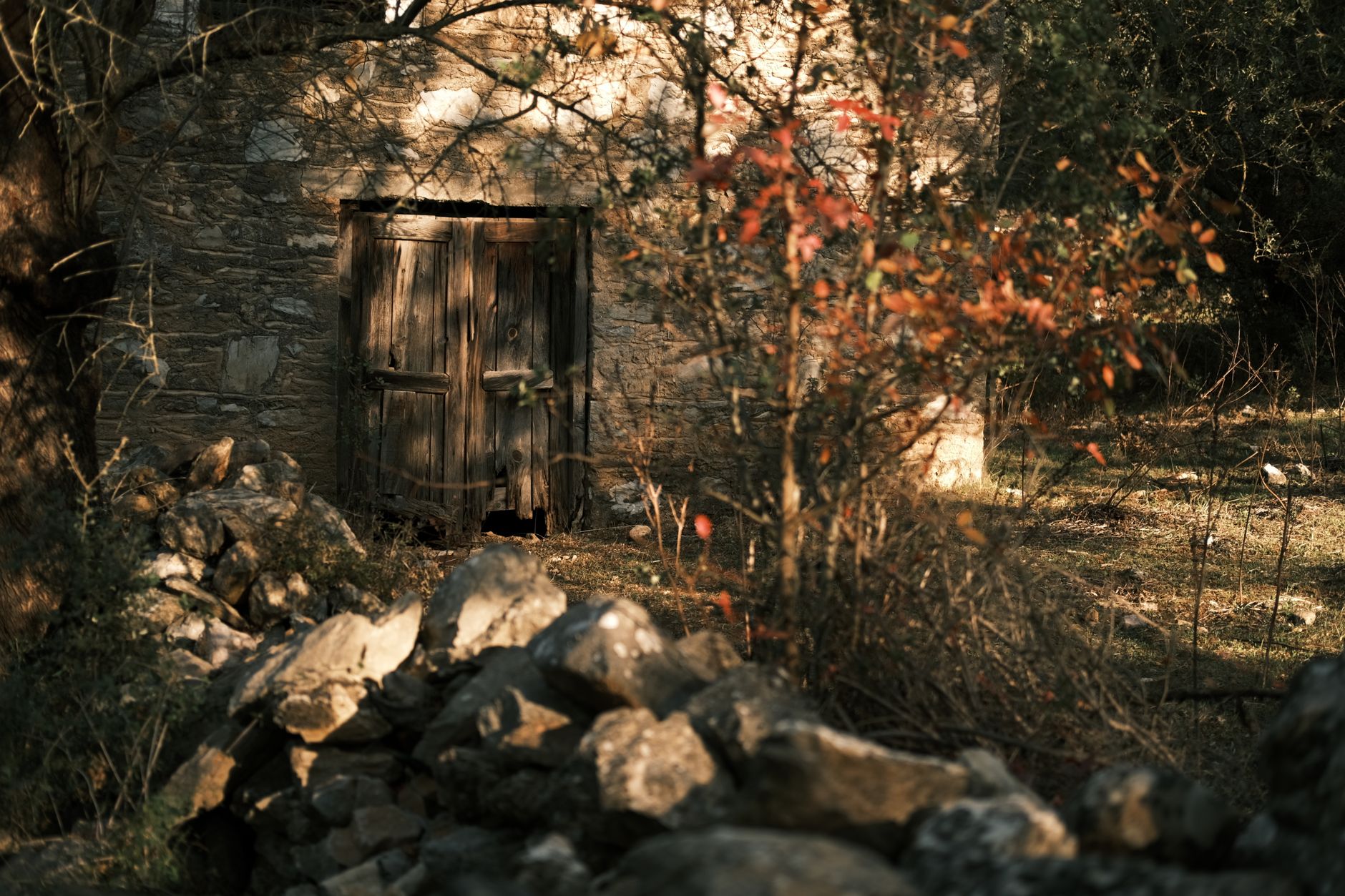
There is also a structural mismatch between how the game teaches exploration and how completionists actually play. Bananza introduces its terrain mechanics gradually, encouraging players to poke at the environment casually. But that casual introduction does not come with any indication of how rigorously you will need to apply that knowledge later if you want full completion. Players who reach the later floors of the game’s layered world system often realize they will need to replay earlier sections with a much more surgical approach – one the game never explicitly asked for.
This creates a retroactive difficulty curve that has nothing to do with combat or reflexes. It is a documentation problem. Players who want 100% completion are essentially doing archaeology without a map, in a game that generated the ruins procedurally and hid the catalog somewhere offline.
The Community Workaround Economy
Predictably, the Donkey Kong Bananza community has responded by building its own infrastructure. Spreadsheets tracking bonus room locations by floor and sublayer are circulating across fan Discord servers. Video guides timestamped to specific hidden walls are accumulating views on YouTube. Players are effectively creating the documentation Nintendo did not ship with the game – and doing so at speed, because the completionist audience for a major Nintendo platformer is large and motivated.
The workaround works, but it changes the nature of the experience. A player following a community spreadsheet to find bonus rooms is no longer exploring – they are executing. The sense of discovery that made the bonus rooms feel rewarding in the first place gets traded away for efficiency. That is a reasonable trade for someone who values completion over process, but it is worth asking whether Nintendo designed these rooms expecting that outcome, or whether the community documentation is quietly patching a gap the developers left open.
A Design Philosophy With Real Costs
Nintendo’s approach to secrets in its platform games has always skewed toward reward over guidance. The company’s design culture prizes the moment of player-led discovery, which is why so many of its best games feel like they are full of genuine surprises rather than scripted set pieces. Bananza inherits that philosophy directly – and for most players, it delivers exactly what it promises.
But completionism is a specific player behavior that sits awkwardly against that philosophy. The joy of discovery and the compulsion to find everything are not the same drive, and they do not always produce the same experience. A player exploring for fun can walk past a hidden bonus room, feel vaguely curious, and move on. A player chasing 100% who walks past the same room will spend the next twenty minutes digging every surface in the area, then look it up online, then question whether they missed anything else.
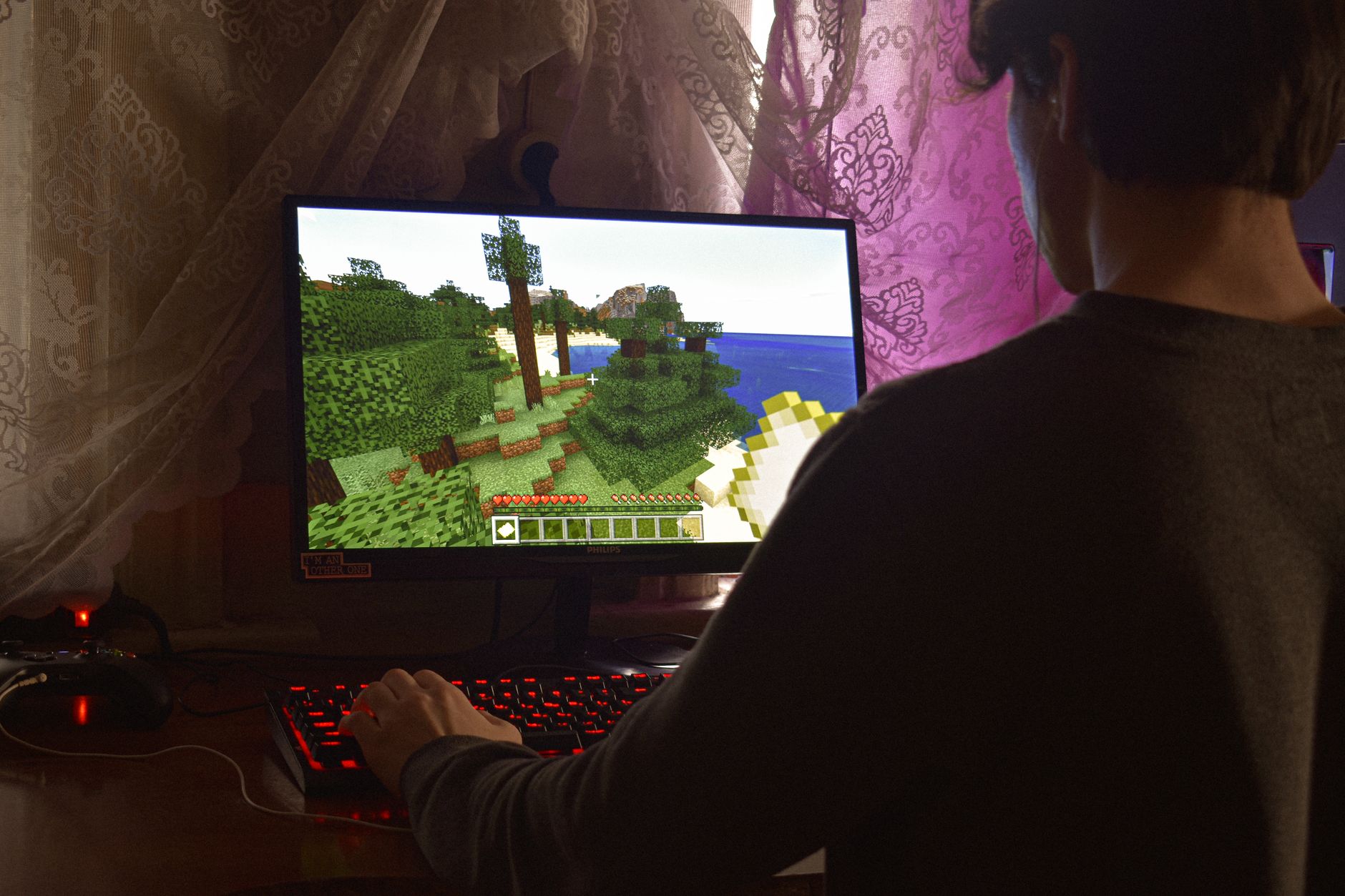
Bananza’s bonus rooms are not poorly designed in isolation. The challenge spaces themselves are often genuinely inventive, and the destruction mechanic that hides them is central to what makes the game feel distinct. The issue is one of communication – specifically, the gap between what the game wants players to do and what it tells them about what they are missing. Late-game fatigue in Bananza tends to hit hardest when players feel like the game keeps adding invisible requirements on top of already demanding stages, and the bonus rooms are the clearest version of that pattern.
The question completionists are quietly asking is whether a post-launch update could add even a minimal hint system – something as simple as a room counter per stage that tells players how many bonus spaces exist without revealing where they are. That single number would preserve the challenge of finding the rooms while eliminating the grinding uncertainty of not knowing whether you have already found them all. Whether Nintendo considers that worth addressing may depend on how loud the feedback gets – and right now, it is getting louder.