


A Green Absence That Fans Can’t Ignore
Donkey Kong Bananza has arrived with a wave of excitement, promising a bold new chapter for the franchise after years of waiting. Players have been tearing through its worlds, praising its destructible environments and punchy combat – but a growing pocket of the fanbase has found something missing, and the silence around it is getting louder. Winky the Frog, the rideable animal buddy from Donkey Kong Country, has not appeared in the game in any form, and dedicated DKC fans are feeling that absence more sharply than Nintendo might have anticipated.
Winky was never just a vehicle for getting across levels faster. For players who grew up with the original SNES trilogy, he carried a specific texture of discovery – that moment when you found his crate, hopped on, and suddenly the world opened up differently. The frog could stomp enemies that were otherwise untouchable, reach vertical spaces that felt impossibly high, and made every level feel a little more alive. Cutting him from Bananza is not a crime against game design. But it does leave a hole that fans are naming out loud.
Where Did Winky Go?
Winky appeared in the original Donkey Kong Country in 1994, became a recurring character through the early series, and then quietly faded out as Rare’s involvement with the franchise wound down. He was never included in the Retro Studios-developed Donkey Kong Country Returns or its sequel Tropical Freeze, which instead leaned on Rambi the Rhino as the primary animal buddy. Bananza continues that pattern – Rambi has a presence in the game’s marketing and promotional material, while Winky remains absent.
The distinction matters to long-term fans because Winky’s omission is now spanning multiple console generations of DK games. This is not a one-title oversight at this point. It is a sustained creative choice, whether intentional or incidental, and players who associate Winky with some of their earliest gaming memories are starting to treat it as a statement.
What makes the conversation sharper right now is that Bananza is being positioned as a return-to-form for Donkey Kong – a proper 3D platformer with ambition and scale. If any game in recent memory had the right circumstances to bring back a beloved piece of DKC history, this felt like the one. The game’s developers clearly care about the franchise’s legacy. The choice not to include Winky, in that context, feels more deliberate than accidental.

The Animal Buddy Problem Is Bigger Than One Frog
Bananza’s approach to animal buddies appears selective. Rambi fits the game’s tone – powerful, destructive, visually striking in the new art style. He works within the design language Bananza is building. Winky’s moveset, by contrast, is more vertical and bouncy in nature, and translating that to a fully 3D destructible environment would require real design investment. That is a practical reality worth acknowledging.
But practical constraints and fan disappointment can exist at the same time. The DKC community is not asking Nintendo to apologize for engine limitations. They are expressing something more emotional – a wish that the people building this game had found a way to make room for a character that meant something to them. That is a reasonable feeling, even if the design rationale for cutting Winky is completely sound.
Why This Cuts Deep for DKC Fans Specifically
The original Donkey Kong Country trilogy on the SNES built its identity partly around its animal buddies. Rambi, Enguarde, Squawks, Expresso, Winky – each one had a distinct personality and a mechanical role that shaped how players approached specific sections. They were not cosmetic extras. They were part of how the game communicated with the player, rewarding exploration with a companion that changed the rules of engagement.
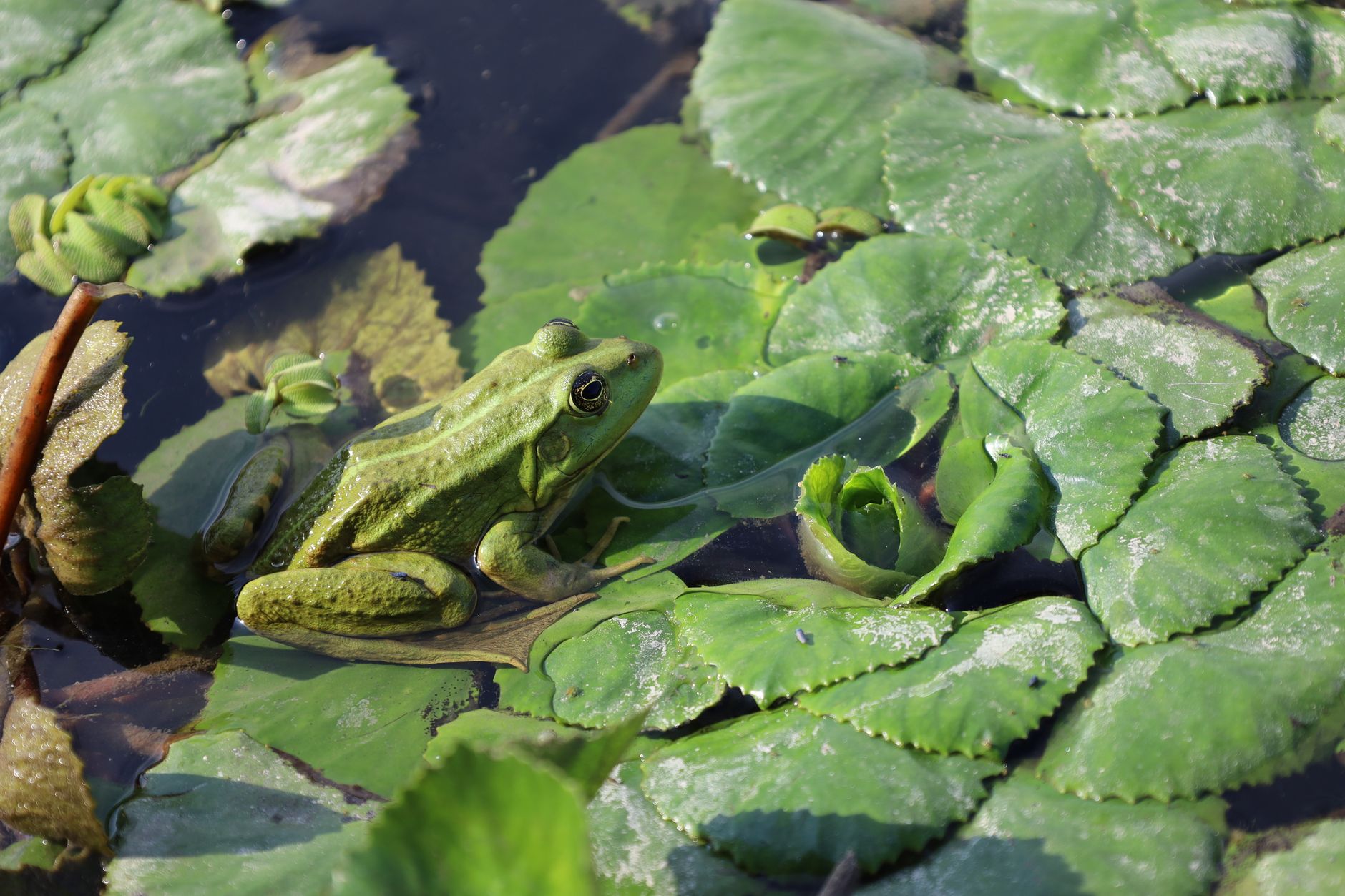
Winky specifically stood out because his moveset felt surprising. His jump was unpredictable in a way that rewarded mastery, and finding him in a level shifted the power dynamic noticeably. He was also visually charming in a way that stuck – a giant green frog with an oversized tongue, sitting patiently in a crate, waiting to cause chaos. Players remember him the same way they remember specific level themes or boss encounters. He landed.
This is also part of a broader conversation happening in the DKC fanbase around what Bananza is choosing to honor and what it is choosing to leave behind. The game is unquestionably a Nintendo production built with care, but some fans feel its relationship to the older trilogy is selective – keeping the iconography while quietly retiring the pieces that defined that era for specific players. Winky is one of those pieces. It is worth noting that Funky Kong features in Bananza, but in a form that some older fans find changes his identity from the DKC2 and DKC3 era – a tension covered separately around how Funky Kong’s rental shop role from DKC3 has been dropped entirely.

None of this makes Bananza a bad game. By most accounts it is a genuinely strong entry in the franchise. But fan love for the DKC series has always been specific and detail-oriented – people remember which animal buddy appeared in which world, which secret room held which crate, which particular moment made them feel the game understood them. Winky is tangled up in a lot of those memories. His absence is not invisible, and the fans making noise about it are not being unreasonable. They are being exactly as specific about this franchise as they always have been – and that specificity is the reason the DKC series still has such a dedicated audience three decades after the original game shipped.