



Donkey Kong Bananza is shaping up to be a rich, ground-smashing adventure, but for a specific corner of the DKC fanbase, something is conspicuously missing – the Toboggan Barrels from Donkey Kong Country 3: Dixie Kong’s Double Trouble! are nowhere to be found, and the silence around their absence is starting to sting.
What Made Toboggan Barrels Matter in DKC3
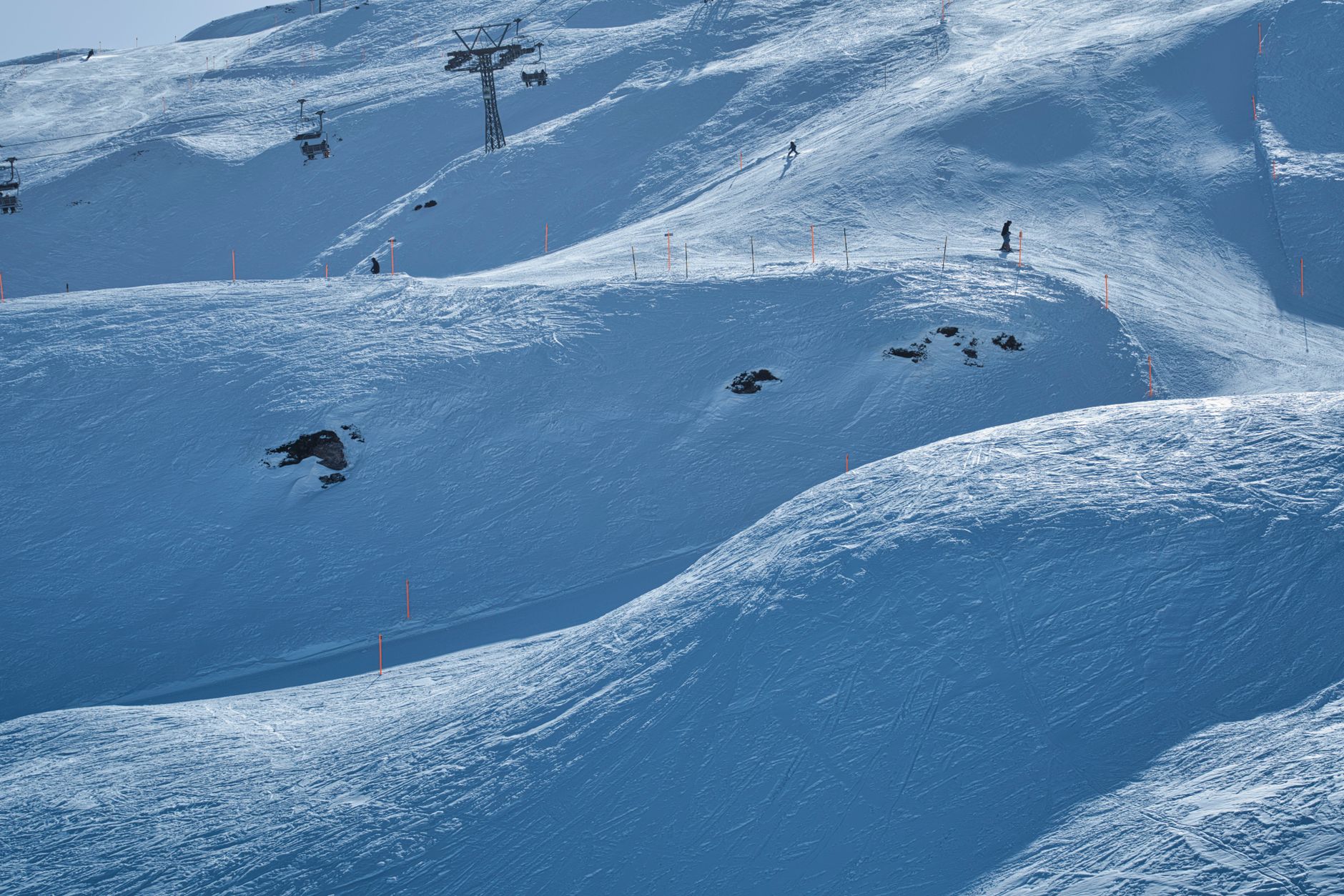
For anyone who played Donkey Kong Country 3 on the Super Nintendo, Toboggan Barrels are etched into memory with a particular kind of fondness. They were barrel launchers styled after wooden sleds, firing Dixie and Kiddy Kong across icy mountain terrain at breakneck speed. The mechanic was tied directly to the game’s Northern Kremisphere setting – a snowy, lakeside wilderness that gave DKC3 a personality entirely its own.
The Toboggan Barrel sequences were not just cosmetic flavoring. They introduced momentum-based traversal that felt distinct from the mine cart sections in DKC1 or the roller coaster barrels in DKC2. Players had to time launches across frozen slopes, threading between walls and enemies while maintaining speed. It was controlled chaos, and it worked because the icy aesthetic gave those sequences a logical, grounded reason to exist within the world.
DKC3 has always occupied an awkward position in franchise history. It arrived late in the SNES lifecycle, with Rare already pivoting its attention toward Nintendo 64 development, and it never quite received the cultural celebration that the first two games did. The Toboggan Barrel is, in many ways, a symbol of that game’s underdog status – a mechanic inventive enough to deserve a legacy, but rarely discussed in the broader conversation about what makes Donkey Kong great.
That context matters now, because Bananza arrives as the first mainline DK title in over a decade and carries enormous weight as a statement about what the franchise values going forward. Every inclusion is celebrated. Every absence is noticed. And DKC3 fans have grown accustomed to noticing.
Why the Absence Lands Harder Than Expected
Donkey Kong Bananza has made clear design choices that lean into destruction, geology, and kinetic underground movement. The game’s core mechanic – punching and digging through layered terrain – opens up enormous creative possibilities for barrel-based traversal if the developers wanted to pursue it. A Toboggan Barrel, reimagined as a mining sled or a volcanic ice shelf launcher, would not require much creative stretching to fit the world Nintendo and 1-Up Studio have built.
That’s part of what makes the absence feel pointed rather than accidental. Bananza appears to be pulling from DK history with some intentionality. Rambi the Rhino is back. The general spirit of animal buddies and barrel mechanics is present in various forms. When certain elements get folded back into the franchise and others don’t, it starts to feel less like oversight and more like a hierarchy of nostalgia – and DKC3 keeps landing near the bottom of that hierarchy. DKC3’s Squawks the Parrot is also absent from Bananza, compounding the sense that the third entry is being quietly sidelined.
The DKC3 community is not a particularly loud one, which may be part of the problem. Fans of the original game and DKC2 have always been more vocal online, generating the kind of persistent enthusiasm that influences which elements developers revisit. DKC3 fans tend to make their case in forums and comment threads rather than in viral posts, and that quieter advocacy doesn’t always translate into design decisions at the studio level.
There’s also a mechanical argument worth making here. Bananza’s subterranean structure – moving through rock layers, navigating underground biomes – actually presents natural terrain for sled-like barrel sequences. Ice caverns, mineral slopes, and compressed rock formations could all logically support the kind of high-speed sliding gameplay that Toboggan Barrels pioneered. The design logic is there. It just hasn’t been used.
What stings most is not that the Toboggan Barrel was skipped – it’s that the game seems built for exactly the kind of momentum-driven traversal it represents. Fans who grew up sliding across the Northern Kremisphere are looking at Bananza’s world and seeing potential that the developers either didn’t recognize or chose not to pursue.
The Broader Pattern DKC3 Fans Are Watching
This isn’t the first time DKC3 has felt like the forgotten chapter when Donkey Kong resurfaces in the spotlight. Its characters, mechanics, and setting consistently get fewer callbacks than its predecessors, even in games and media that make a point of honoring the franchise’s SNES era. Every new DK release becomes a referendum on which parts of that history are considered worth carrying forward.
Whether Bananza adds any DKC3 content through updates or DLC remains an open question – Nintendo has occasionally expanded Switch-era games in ways that addressed fan feedback after launch. But as the initial release builds its identity, DKC3 fans are watching a game that could have easily made room for the Toboggan Barrel choose not to. That’s not a wound, exactly. It’s more like a familiar bruise that keeps getting pressed in the same spot.