




The Spider That Webbed a Generation of Players
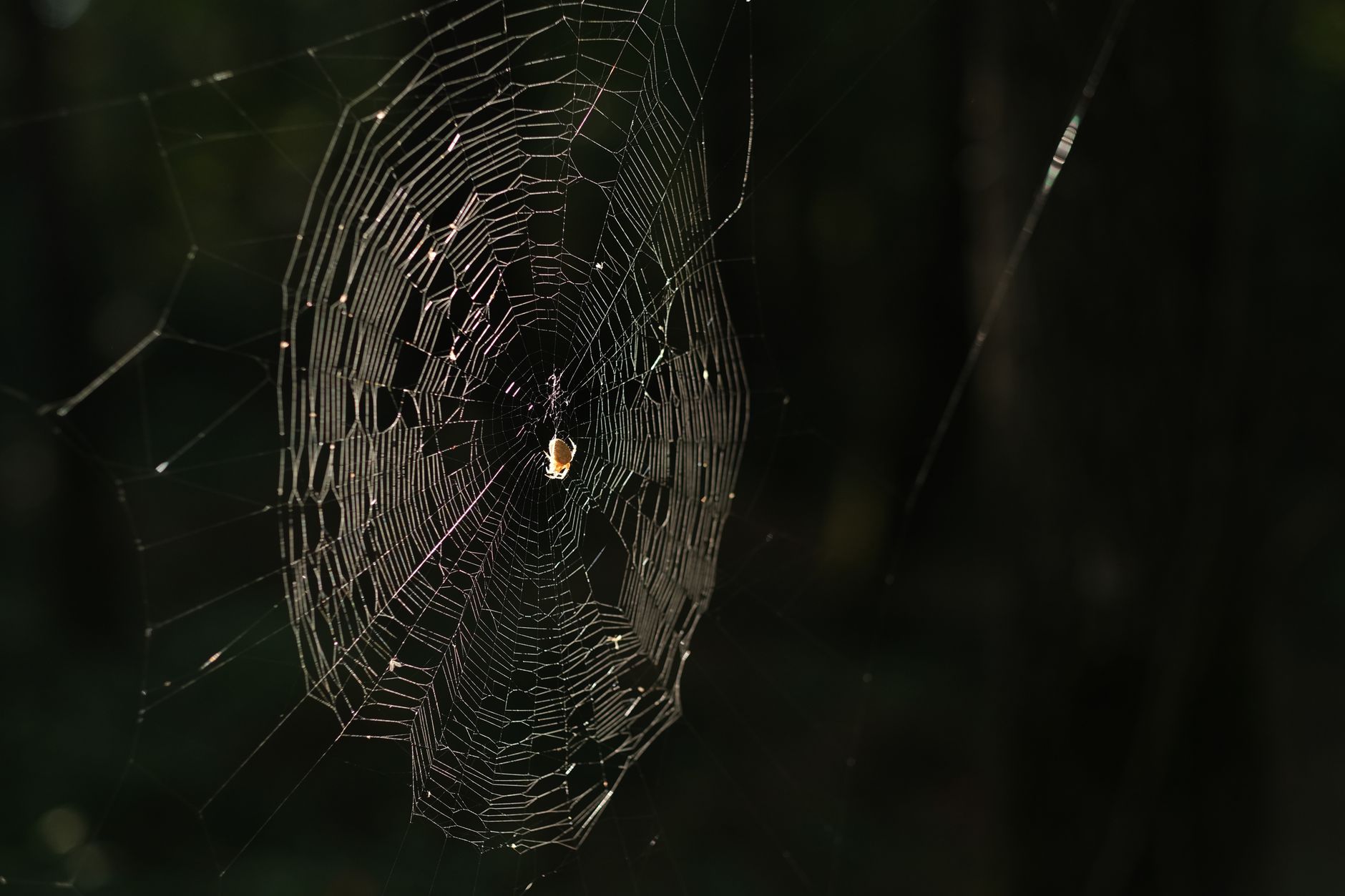
Squitter the Spider is not a minor character. In Donkey Kong Country 2: Diddy’s Kong Quest, he is a transformative Animal Friend whose ability to generate web platforms made him the single most creative gameplay mechanic in the entire Rare-era DK library. Players could construct their own pathways through the air, solve puzzles no other animal could touch, and access secret areas locked behind a design philosophy that trusted players to be inventive. Squitter was not just a rideable spider – he was a statement about what the DKC series could be.
With Donkey Kong Bananza arriving without Squitter anywhere in its lineup, longtime fans of Donkey Kong Country 2 are facing a familiar disappointment. The absence stings differently than missing a generic enemy or background cameo. Squitter represented a specific kind of player expression that Bananza, despite all its geological destruction and terrain-sculpting mechanics, has not managed to replicate.
What Made Squitter Irreplaceable
The web-platform mechanic worked because it gave the player agency inside the level design itself. Squitter did not just help you move faster or attack more efficiently – he let you build. Shoot a web projectile at the right angle and it solidified into a platform you could stand on, jump off, and chain into another. Entire DKC2 stages were built around this concept, demanding players think spatially and act quickly. No other Animal Friend in the series asked that much of the player’s imagination.
That interactivity is what made Squitter a cult favorite rather than just a fan favorite. Players who grew up with DKC2 remember specific Squitter stages with a clarity they do not apply to most games from that era. “Krazy Kremland” and the web-construction bonus rooms left a mark because they felt genuinely novel. The spider did not survive into later DKC titles, which made each new Donkey Kong announcement a quiet moment of hope for his return.

Bananza’s Design Language and the Squitter Gap
Donkey Kong Bananza is built around terrain destruction. DK punches through rock layers, excavates pathways, and reshapes the environment as he moves. On paper, this sounds like an evolution of the same creative-traversal spirit Squitter embodied. In practice, the two mechanics serve completely different emotional registers. Destruction is visceral and immediate. Construction – even temporary web-platform construction – requires patience, spatial planning, and a different kind of thinking entirely.
The absence of Animal Friends as a category has already drawn criticism from series purists. Expresso the Ostrich’s absence has frustrated fans who valued the speed-running and gliding possibilities that bird provided. Squitter’s exclusion cuts even deeper because his mechanic – player-generated platforms – had no equivalent in the Rare trilogy’s wider bestiary and has never been meaningfully reintroduced by any subsequent DK game.
Nintendo’s direction with Bananza suggests a deliberate pivot away from the Animal Friend system as a core design pillar. The game’s identity is tied to DK’s own physical power rather than borrowed abilities from companions. That is a coherent creative choice, but coherence does not cancel out nostalgia or the legitimate argument that Squitter’s mechanic added a layer of depth that Bananza simply does not offer.
There is also a pacing argument to make. Squitter stages in DKC2 forced the game to slow down. They created moments of quiet problem-solving inside a platformer that otherwise moved at a frantic clip. Bananza, by contrast, tends to reward aggression and momentum. Whether that tempo is better or worse is subjective – but for players who loved what Squitter demanded of them, the shift in rhythm is noticeable and unwelcome.
The DKC2 Loyalist Problem
DKC2 occupies a specific, almost unmovable position in gaming memory. Many players regard it as the peak of the entire Donkey Kong franchise, and a significant part of that reputation rests on its Animal Friends being more mechanically interesting than anything before or since. Squitter is the clearest example of that. Rambi the Rhino charges forward and breaks walls – useful, satisfying, simple. Squitter asked you to think like a level designer for thirty seconds at a time.
For the subset of DK fans whose primary loyalty is to DKC2, every new game in the series functions as an implicit referendum on whether that game’s ideas were worth preserving. Bananza has answered that question the same way the Retro Studios-era games did: with admiration for the aesthetic of DKC2 but little appetite for its most demanding mechanics. That is a consistent position from Nintendo, and it is one that continues to leave a specific type of player without what they actually want.

A Legacy Locked in One Game
Squitter has appeared in DKC2, its Game Boy Advance port, and almost nowhere else of significance. He was briefly present in DK: Vine Valley on Game Boy Color in a reduced capacity, and he earned a trophy in Super Smash Bros. Brawl, which is the gaming equivalent of a polite wave from across the room. No mainline DK title since the Rare era has built a stage around his web-construction mechanic. His design genius has effectively been retired.
What that means for Bananza players who never experienced DKC2 is probably nothing – the game stands on its own terms and does not advertise a debt to a 1995 Super Nintendo title. But for the players who still remember positioning web platforms over a gap in “Web Woods” and feeling like the game had handed them a tool no one else had thought to give, the absence is not about nostalgia. It is about a specific design possibility that has never been revisited, and a new Donkey Kong game that did not revisit it either.
The frustrating part is that Bananza‘s terrain manipulation engine could have supported something Squitter-adjacent without much conceptual strain. A mechanic that let players temporarily construct pathways through a different means – silk, vines, crystallized material – would have fit the game’s excavation theme without requiring Squitter’s literal presence. Nintendo did not go that direction, and the gap between what exists and what could have been is exactly wide enough to strand a DKC2 purist on the wrong side.
Frequently Asked Questions
Is Squitter the Spider in Donkey Kong Bananza?
No, Squitter does not appear in Donkey Kong Bananza. The game does not feature Animal Friends as a core mechanic.
What made Squitter special in Donkey Kong Country 2?
Squitter could generate web platforms that players used to build pathways, solve puzzles, and reach secret areas – a unique construction mechanic no other Animal Friend replicated.