

A Fan Favorite Left Behind
Donkey Kong Bananza has arrived as the franchise’s boldest 3D outing in years, packed with destructible environments, deep lore callbacks, and a roster of animal buddies that nods to the series’ storied past. But for a specific pocket of the fanbase – the devoted followers of Donkey Kong Country 3: Dixie Kong’s Double Trouble! – one glaring absence is cutting through all that excitement: Squawks the Owl is nowhere to be found.
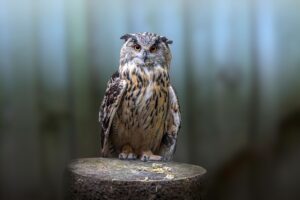
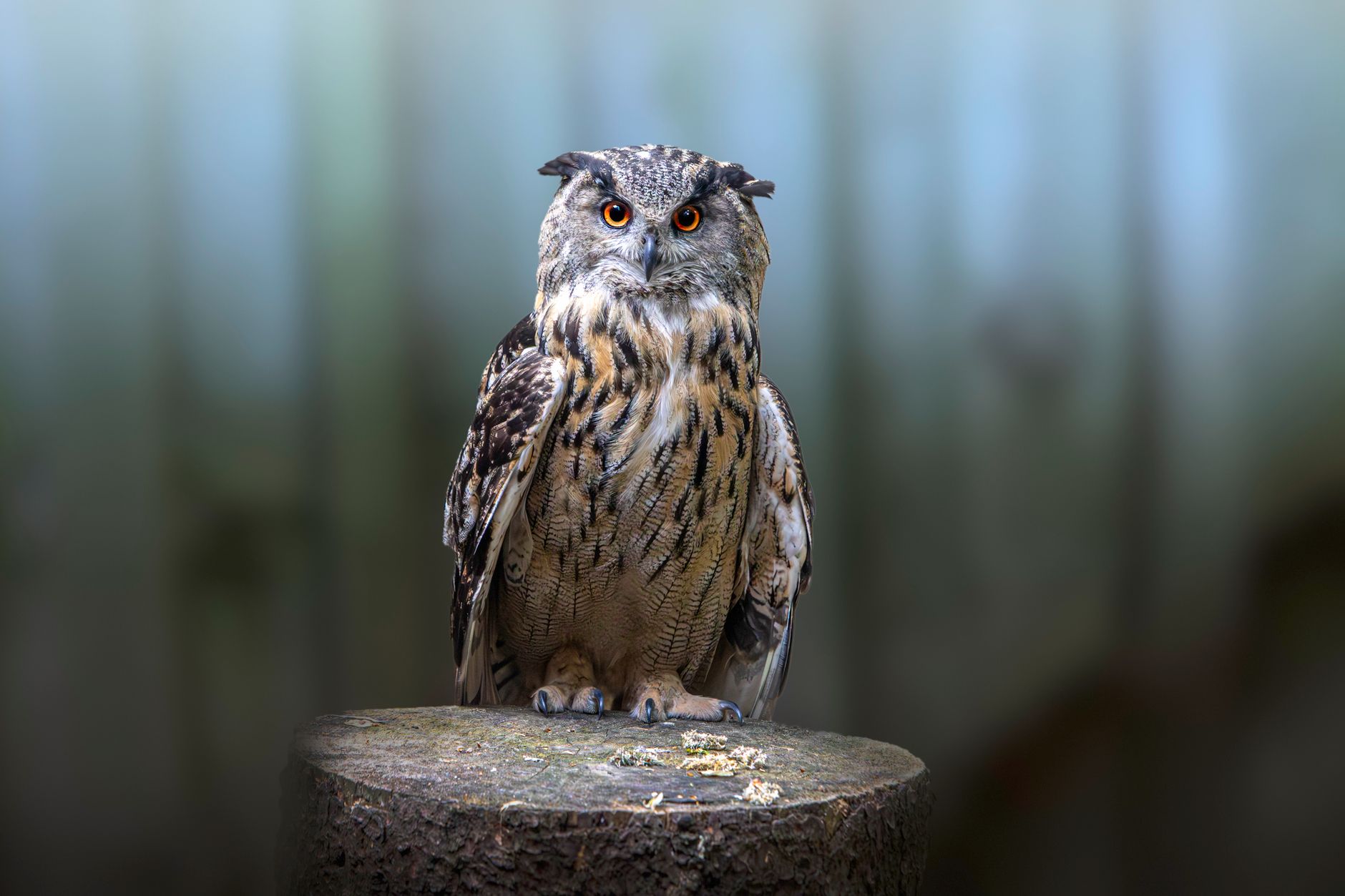
Not the parrot Squawks from DKC1 and DKC2 who carried lanterns and fired eggs – the owl iteration. In DKC3, Squawks returned in a redesigned form, carrying Kiddy or Dixie through vertical cave sections with a buoyant, floaty flight mechanic that felt genuinely distinct. That version of the character has never reappeared in a mainline game since. Bananza had every opportunity to change that. It didn’t.
Why the Owl Squawks Mattered
The DKC3 incarnation of Squawks was not simply a reskin of earlier animal buddies. The owl design carried a different personality – heavier, more deliberate in movement, suited to the game’s colder, mountainous aesthetic. Where the parrot Squawks felt nimble and reactive, the owl felt purposeful. It was the kind of subtle tonal design choice that Donkey Kong Country 3 made throughout, and fans who bonded with that game noticed it even if they couldn’t always articulate why.
DKC3 remains the most underappreciated entry in the original Rare trilogy. It launched in late 1996, wedged between the Nintendo 64’s debut and the cultural momentum of its own predecessors, and it never quite got the credit it deserved for its mechanical creativity. Squawks the Owl was part of that creativity – a flight buddy that asked players to think vertically in a way the earlier games hadn’t demanded as consistently.
For the fans who grew up with DKC3 specifically, animal buddy representation in Bananza is a deeply personal metric. Squawks the parrot appears, Rambi appears, Funky and Cranky have roles. The owl, by contrast, remains frozen in 1996. DKC3 fans have been quietly tracking these absences, and Squawks the Owl is one of the sharper ones to catalog.
The Pattern Behind the Omission
Nintendo’s creative direction on Bananza appears to draw most heavily from the original DKC and DKC2 when it comes to legacy elements. That’s not an accident – those two games carry broader name recognition and a larger nostalgia base. DKC2 in particular has been treated as the critical darling of the trilogy for so long that DKC3 callbacks tend to get filtered out before they ever reach a production decision.
The result is a game that feels thoroughly celebratory of the franchise’s history while still leaving a specific chapter underrepresented. It’s a quiet but consistent pattern in how Nintendo handles the DKC catalog.
What DKC3 Fans Are Actually Asking For
The frustration around Squawks the Owl’s absence is not really about the character in isolation. It’s about what the character represents – a full, creative chapter of Donkey Kong history that keeps getting passed over whenever the franchise resurfaces. DKC3 gave players Ellie the Elephant, Parry the Parallel Bird, Bazooka’s cameo mechanic, and the most complex overworld map in the trilogy. Almost none of that DNA appears in Bananza in any recognizable form.
Squawks the Owl functions as a kind of stand-in for that entire argument. The character is specific enough to be identifiable, simple enough to retrofit into almost any platforming context, and absent enough to sting. Bananza’s environments – subterranean, layered, and vertical in many sections – would have suited an owl-flight mechanic reasonably well. The fit was there.
There’s also the matter of what animal buddy inclusion signals to fans. When a game brings back Rambi, it signals “we remember the classics.” When it brings back Squawks the parrot specifically, it signals “we remember DKC2.” When no DKC3-exclusive buddy makes the cut – not Ellie, not the owl Squawks – the signal reads clearly, even if unintentionally. DKC3 fans have been trained to read between these lines across decades of franchise releases.

The Squawks Barrel Cannon omission already stung DKC2 fans for related reasons – the erasure of a specific mechanic tied to a specific era feels different from a general design choice. For DKC3 fans, the owl version of Squawks carries that same weight. The character had one game, one notable appearance, and one window for rehabilitation. Bananza was that window.
Whether future DLC or a potential sequel revisits the DKC3 catalog more deliberately is an open question – but the owl Squawks has now missed two full console generations without a reappearance, and that gap gets harder to close the longer the franchise moves forward without addressing it.