




Donkey Kong Bananza is shaping up to be a love letter to DK’s legacy – but for fans of Donkey Kong Country 3, one glaring omission is turning that letter into something that feels addressed to everyone else.
The Boat That Carried DKC3
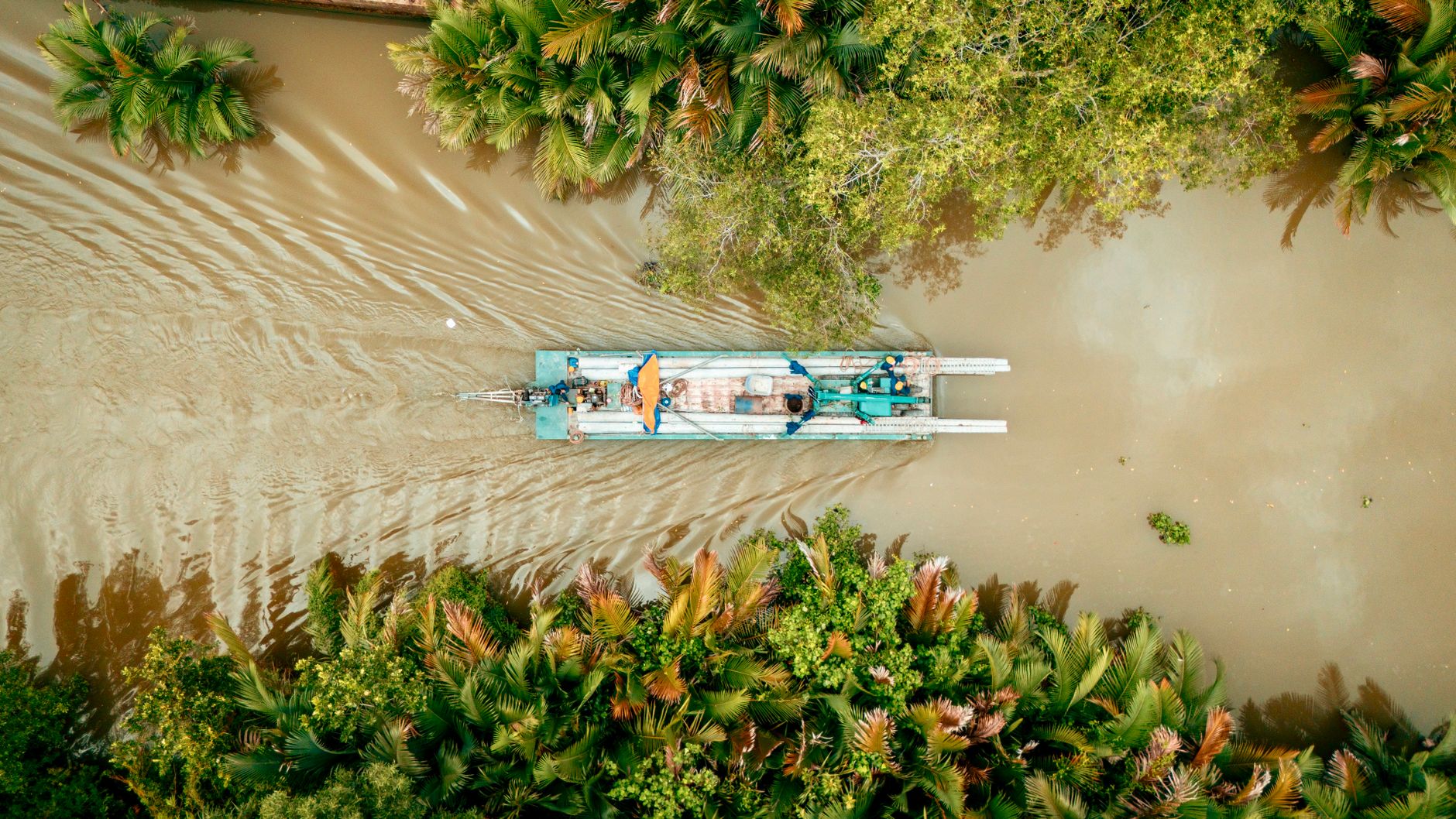
Funky Kong’s boat, formally known as Funky’s Rentals, was the connective tissue of Donkey Kong Country 3: Dixie Kong’s Double Trouble! Unlike the barrel-blasting transport methods of the first two games, DKC3 gave players a physical watercraft to navigate between worlds. Funky would loan Dixie and Kiddy a motorboat at the start, and as the adventure progressed, upgrades like the Hovercraft and Turbo Ski unlocked new areas of the overworld map. The boat wasn’t just flavor – it was function, and it made the world feel genuinely explorable rather than a series of connected menu screens.
What made Funky’s Rentals stick in players’ memories was the texture it added to the game’s Northern Kremisphere setting. The idea of two small Kongs navigating a waterlogged wilderness by borrowing increasingly absurd vehicles from their laid-back cousin gave DKC3 a personality distinct from its predecessors. Funky Kong as a character was at his most useful here – not just a warp barrel or a gun shop, but an active participant in how the game world opened up. That version of Funky, boat keys in hand, is what DKC3 fans tend to think of first when they remember him.
Donkey Kong Bananza brings Funky back in a supporting role, and there is genuine excitement attached to that. But the boat – and the whole philosophy of exploration it represented – appears to be absent. Bananza’s approach to traversal is built around DK’s new geological destruction mechanics, digging and punching through terrain in ways that feel fresh for the franchise. That’s a legitimate creative direction. The loss still stings, though, because Funky without his watercraft is a little like getting the character’s name without his identity.
DKC3 is already the least-celebrated game in the original Rare trilogy, frequently overshadowed by DKC2’s tighter design and more iconic soundtrack. Its fans have always had to argue a little harder for its place in the conversation. When Bananza had the opportunity to tip its hat to DKC3’s most distinctive mechanical contribution and passed, it landed harder for that community than it might have for anyone else.
Why the Boat Matters More Than a Cameo
Video game nostalgia often collapses complex mechanics into simple visual shorthand – a character’s design, a musical theme, a logo. Funky Kong’s boat doesn’t compress that neatly. You can’t represent it with a single frame or a sound effect buried in an audio log. It was a system, and systems don’t translate to cameos. That’s exactly why its absence in Bananza registers as more than a missing Easter egg.
The boat represented a specific era of Nintendo-adjacent game design where overworld exploration was treated as a reward structure in itself. Finding that you could now reach a previously inaccessible island because Funky upgraded your vessel felt like progress that existed outside of the main level count. Players weren’t just beating stages – they were expanding the geography of their world. Bananza does something adjacent to this with its destructible environments, but the feeling of a physical vehicle enabling new paths is a different experience entirely, and one DKC3 fans are still chasing.
Funky Kong’s trajectory as a character since DKC3 has gradually eroded that boat-captain identity. His appearance in Donkey Kong Country: Tropical Freeze as a playable character was well-received but focused entirely on his combat abilities and surfboard aesthetics. His recurring presence in the Mario Kart series reduced him further to a kart racer with shades. Each new appearance is a good one on its own terms, but collectively they’ve pushed the watercraft-operator version of Funky further into the background. Bananza was a natural reset point that didn’t take the opportunity.
There’s also the question of what DKC3’s boat mechanic says about game design philosophy that remains genuinely relevant. Gating exploration behind resource management and character relationships – borrowing from Funky, earning upgrades, revisiting old areas with new tools – is a structure that modern open-world design constantly reinvents. Bananza’s destructible terrain achieves some of this, but the social dimension of visiting a specific character to unlock new geography is gone. DKC3 had something worth revisiting there, not just as nostalgia but as design.
Fans tracking what Bananza does and doesn’t reference from the broader DKC catalog have noticed a pattern. The game draws most heavily from the original Donkey Kong Country and from DKC2’s enemy and character roster – the absence of DKC2-specific elements has already drawn its own conversation. DKC3’s contributions, which were always more systemic than character-driven, are the hardest to honor without actively building around them. Funky’s boat is the clearest example of that difficulty, and also the clearest example of where the developers chose not to try.

A Specific Kind of Fan Left Waiting
DKC3 fans are patient. They’ve spent decades defending a game that the broader Nintendo community treats as optional. They’ve watched the Donkey Kong Country brand revive twice – once with Retro Studios and now with Bananza – without seeing the third game’s specific contributions make it into the conversation. The boat isn’t a small ask. It’s the clearest symbol of what DKC3 added to the franchise that neither of the other two games did first.
What makes this particular omission worth watching is that Bananza hasn’t released yet. There are still unknowns about how the full game handles its overworld structure, whether Funky’s role expands beyond what has been shown, and whether any DKC3 nods exist in areas not yet revealed. But the absence of any boat-related content in the marketing and previews so far is a signal that speaks for itself – and DKC3 fans have learned to read those signals early.