




A Beloved Bird Missing in Action
Donkey Kong Bananza has generated serious excitement as the franchise’s long-awaited return to a full 3D adventure, but not every fan is celebrating without reservation. Among the louder complaints circulating in DKC communities right now is the conspicuous absence of Expresso the Ostrich, one of the most beloved Animal Buddies from the original Donkey Kong Country trilogy. For a game that positions itself as a love letter to the series, leaving out a character that defined an entire era of gameplay feels like a strange editorial choice.
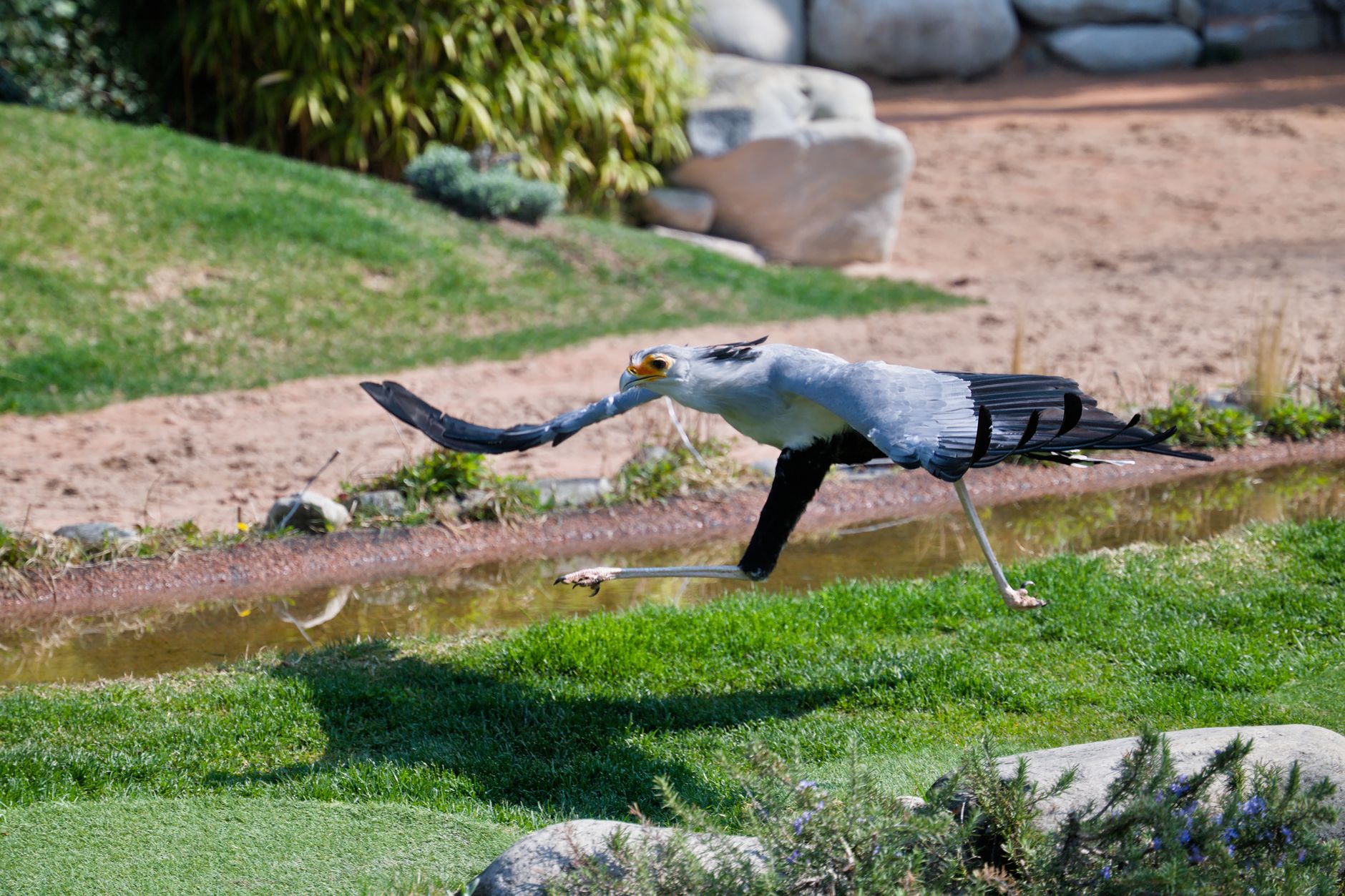
Expresso was never just a mount. The ostrich offered a distinct movement style – gliding over gaps, sprinting past enemies, and making difficult platforming sections feel elegant rather than punishing. Players who grew up with Donkey Kong Country on the SNES built a specific muscle memory and emotional attachment around Expresso that no other Animal Buddy fully replicated. Seeing that slot go unfilled in Bananza has reignited a long-running frustration about which pieces of the classic era Nintendo chooses to carry forward and which it quietly shelves.
What Expresso Actually Meant to DKC
The original Donkey Kong Country had a roster of Animal Buddies that each solved a different kind of platforming problem. Rambi the Rhino broke walls. Winky the Frog reached high platforms. Enguarde the Swordfish handled underwater combat. Expresso’s role was horizontal momentum and aerial control, and that combination made the ostrich feel almost athletic to control. There was a grace to using Expresso correctly that rewarded player skill in a way that felt distinct from every other buddy in the game.
Expresso also appeared in the Game Boy version of Donkey Kong Land, cementing status as a recurring fixture rather than a one-off gimmick. When Rare introduced new Animal Buddies in DKC2 and DKC3, Expresso didn’t return, and that absence stung fans at the time too. Bananza reviving classic elements from the original game while still skipping Expresso feels like the same wound reopened. The ostrich has never gotten a proper modern treatment, and with each new title that passes without addressing that, the window feels narrower.
Part of why the absence reads as a slight rather than just an oversight is the specific framing of Bananza’s marketing. Nintendo has leaned into nostalgia throughout its promotional campaign, invoking the spirit of the original trilogy and Rare-era design philosophy. When you signal that heritage so directly, fans naturally audit which classic elements made the cut. Expresso failing that audit while other Animal Buddies reportedly feature in the game makes the omission feel deliberate rather than accidental.
It’s also worth considering what Expresso’s moveset would bring to a 3D context. The ostrich’s gliding mechanic is actually better suited to three-dimensional level design than it was to 2D side-scrolling, where lateral movement was already the default. In a 3D platformer with verticality and open traversal, a gliding mount could offer exploration utility that would genuinely complement Bananza’s stated design philosophy. The gap in the roster isn’t just an emotional one – it’s a functional one too.
Fan Reaction and the Pattern Behind It
Online response to Expresso’s absence has followed a familiar arc: initial hope during early trailers, quiet concern as more gameplay footage released without a sighting, and then vocal disappointment once the Animal Buddy roster became clearer. Forums and social media threads dedicated to the DKC series have filled with posts ranging from measured frustration to genuine anger, with longtime fans feeling like their specific corner of the franchise’s history keeps getting overlooked. This pattern of reaction has become something of a routine with Bananza, where each absent classic element generates its own dedicated wave of community discussion. The missing Kongs gallery and the debate over Funky Kong’s playable slot have already moved through similar cycles of disappointment.
What makes the Expresso situation slightly different from other absences is how narrow the character’s advocacy base actually is. Expresso fans are a specific subset of DKC fans – those who played the original game and remember Animal Buddies beyond Rambi and Enguarde. That specificity makes the complaint easier to dismiss, but it also makes it more telling. When even the niche, detail-oriented part of a fanbase feels consistently overlooked, it signals something about how the creative team is prioritizing the franchise’s legacy.
Nintendo’s Silence and What It Suggests
Nintendo has not commented publicly on which Animal Buddies are or aren’t in the game, and the company rarely addresses omissions directly in any context. That silence leaves fans filling in the reasoning themselves, which usually produces less charitable interpretations than any official explanation would. The most common fan theory is simply that Expresso’s movement design doesn’t map neatly onto whatever traversal system Bananza uses, which is a legitimate creative constraint – but it’s one Nintendo hasn’t bothered to articulate.
Another possibility fans are discussing is that the Rare-era Animal Buddies are being treated with more caution due to intellectual property considerations. Expresso, Winky, and several others were designed during Rare’s tenure with the franchise, and while Nintendo owns the DK IP broadly, the creative lineage of specific characters exists in a complicated space. This is speculative, but it would explain why some classic elements return comfortably while others remain consistently absent across multiple modern DK titles.
What nobody is suggesting is that Expresso is simply forgotten. The character has maintained enough of a fan presence online, including recurring appearances in fan art and community retrospectives, that there’s a visible appetite Nintendo could tap if it chose to. The question fans keep returning to is whether Bananza’s creative team ever seriously considered updating the ostrich for a modern audience, or whether Expresso was never on the table at all – and if not, why a franchise revival would draw the line exactly there.