



Donkey Kong Bananza is shaping up to be a bold reinvention of the Kong formula, but for a specific group of fans, one absence is hitting harder than the rest: Expresso the Ostrich is nowhere to be found.

Expresso Was Never Just a Mount – She Was a Movement
In Donkey Kong Country, Expresso stood apart from every other animal buddy by doing something none of them could fully replicate: she made the platforming feel weightless. With her long, spindly legs and ability to glide across gaps by flapping her wings, Expresso rewarded players who understood momentum. You didn’t just ride her – you learned her rhythm. She punished impatience and paid off precision in a way that felt genuinely different from anything else in the game.
That specificity is exactly what DKC purists remember. Rambi charges through walls. Winky stomps enemies. But Expresso required a kind of finesse that the original game rarely demanded elsewhere. She was tucked into levels that opened up beautifully if you understood her movement arc, and she turned certain stretches of Donkey Kong Country into something closer to a flight sim than a jungle platformer. For players who found her, those segments remain some of the most memorable in the entire franchise.
Her absence from Bananza isn’t just about nostalgia for a particular animal. It’s about what she represented mechanically. Bananza is built around DK’s new ability to punch through terrain, smash rock formations, and reshape the environment around him. That’s a heavy, grounded design philosophy. Expresso’s entire identity was the opposite: she was airy, fast, and demanded that the player stay light on their inputs. There’s an argument to be made that her style of play simply has no home in Bananza’s current sandbox.
Still, that argument doesn’t fully satisfy the fans who’ve been cataloguing every missing buddy since Bananza’s reveal. The game brings a fresh cast of companions and leans hard into its new destructive mechanics, but the original DKC roster is being quietly left behind. Rambi the Rhino’s absence already stirred frustration in the community, and Expresso’s omission adds another layer to a conversation that isn’t going away.
Racing Mechanics Have No Lane in Bananza’s World
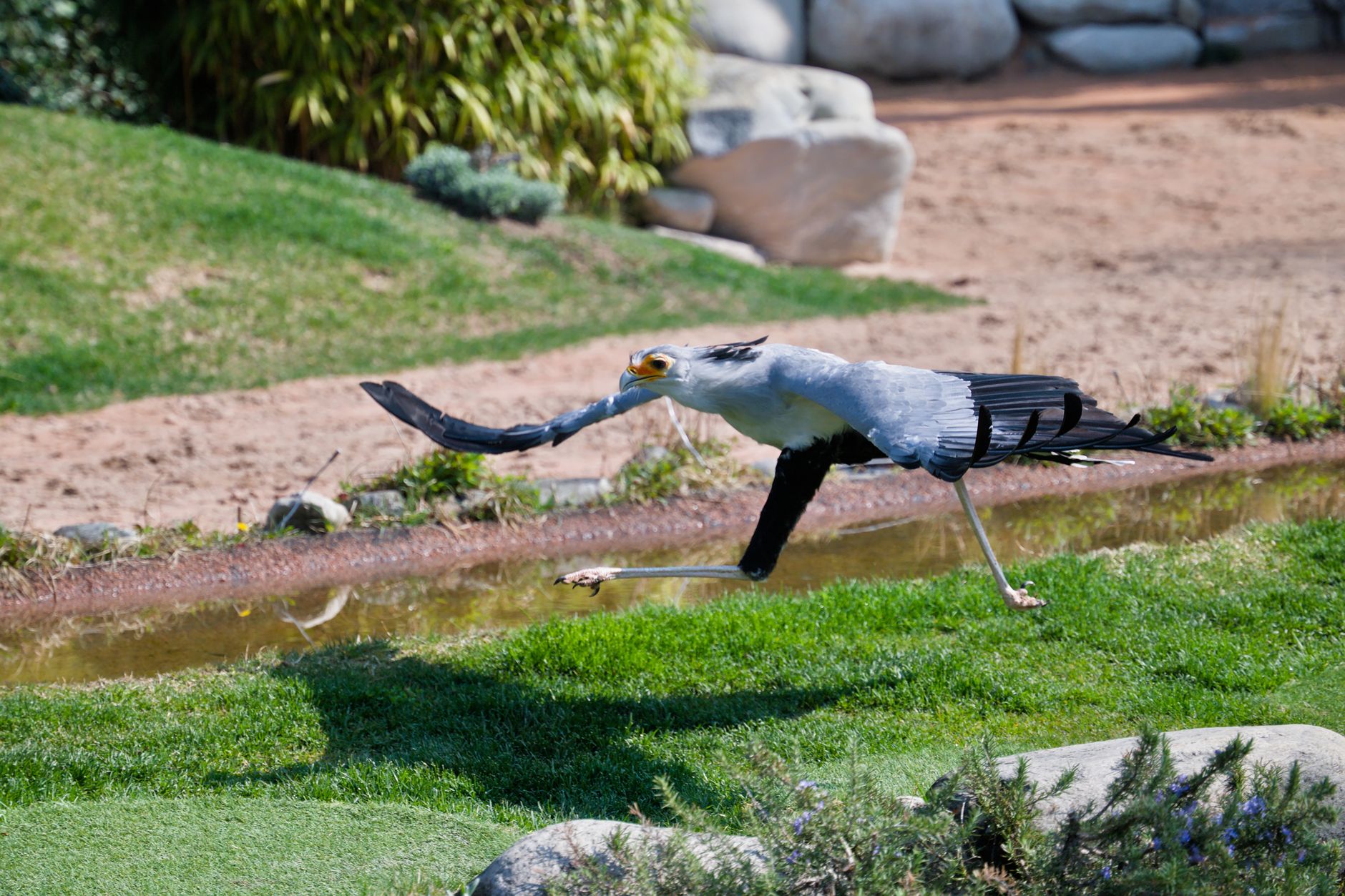
Expresso’s defining trait was speed – not the kind that comes from a power-up or a temporary boost, but the kind baked into her basic movement. She felt fast even when standing still, because her leg animations and collision properties communicated a constant readiness to sprint. That speed, when combined with her glide, created a style of traversal that no other buddy in the franchise has matched. Bananza doesn’t appear to have a speed-focused traversal option at all, which makes Expresso’s exclusion feel structural rather than accidental.
The game’s design prioritizes verticality and environmental destruction. DK tears through rock, digs downward, and carves paths through solid matter. That’s genuinely exciting, but it’s the opposite of what Expresso demanded from a level designer. Building a stage around Expresso means wide horizontal corridors, carefully placed platforms at specific heights, and gaps that reward a well-timed glide rather than a smashed wall. Bananza’s levels, from what’s been shown, aren’t built that way. The architecture doesn’t call for her.
That’s a legitimate creative choice, but it lands differently when you consider how Bananza is being positioned as a franchise revival. Nintendo is clearly reaching back into Donkey Kong’s history – the aesthetic callbacks, the emphasis on Kong family energy, the return to a jungle-and-cave world structure. When a game leans into legacy this deliberately, the things it leaves out start to feel like statements. Expresso not appearing begins to look less like an oversight and more like a conscious edit of what the franchise’s past is allowed to mean going forward.
The racing element specifically deserves attention here. Expresso wasn’t competitive racing in the Mario Kart sense, but her speed created an internal race against the player’s own performance. Could you clear that gap without touching the ground? Could you maintain her momentum through three consecutive platforms without slowing down? She gamified movement in a way that feels rare in modern platformers, which tend to give the player generous margins. Expresso never did. She was unforgiving, and that was the point.
Other omissions across the franchise have drawn their own complaints – the missing Squawks and Rocket Barrel have frustrated DKC2 fans separately – but Expresso’s case carries a particular edge because she comes from the original game. She’s first-generation. Cutting DKC2 content can be framed as scope management. Cutting original DKC content feels like a harder choice to justify to the people who started here.

What DKC Purists Are Actually Asking For
The frustration being voiced online isn’t really a demand that Bananza become Donkey Kong Country again. Most of the fans making noise about Expresso understand that Bananza is doing something different, and they’re not asking Nintendo to abandon its new direction. What they’re pushing back against is the idea that “new” requires erasing. Expresso could exist as an optional bonus encounter, a hidden stage element, or even a cosmetic callback that doesn’t affect the core loop. Her absence doesn’t feel necessary – it feels like a decision made before anyone asked whether she could fit.
Bananza has a full release window ahead of it, and Nintendo has not revealed every animal buddy or mechanic the game will include. There’s still space for a surprise. But the closer the launch gets without a hint of Expresso’s long, awkward, brilliant silhouette showing up in any trailer or screenshot, the more DKC purists are starting to accept that she probably isn’t coming – and the question they’re sitting with is whether Bananza’s version of the Donkey Kong universe has any room for the things that made the first game feel like it was built by people who genuinely loved weird design.