



The Elephant in the Room
Donkey Kong Bananza has arrived with considerable fanfare, bringing a fresh coat of destructible terrain, new mechanics, and a roster of familiar Kong faces. But for a specific corner of the DK fanbase, one absence is louder than all the noise surrounding the game’s launch. Ellie the Elephant, the beloved animal buddy from Donkey Kong Country 3: Dixie Kong’s Double Trouble!, is nowhere to be found, and the fans who grew up riding her through Kiddy Kong’s adventure are very much paying attention.
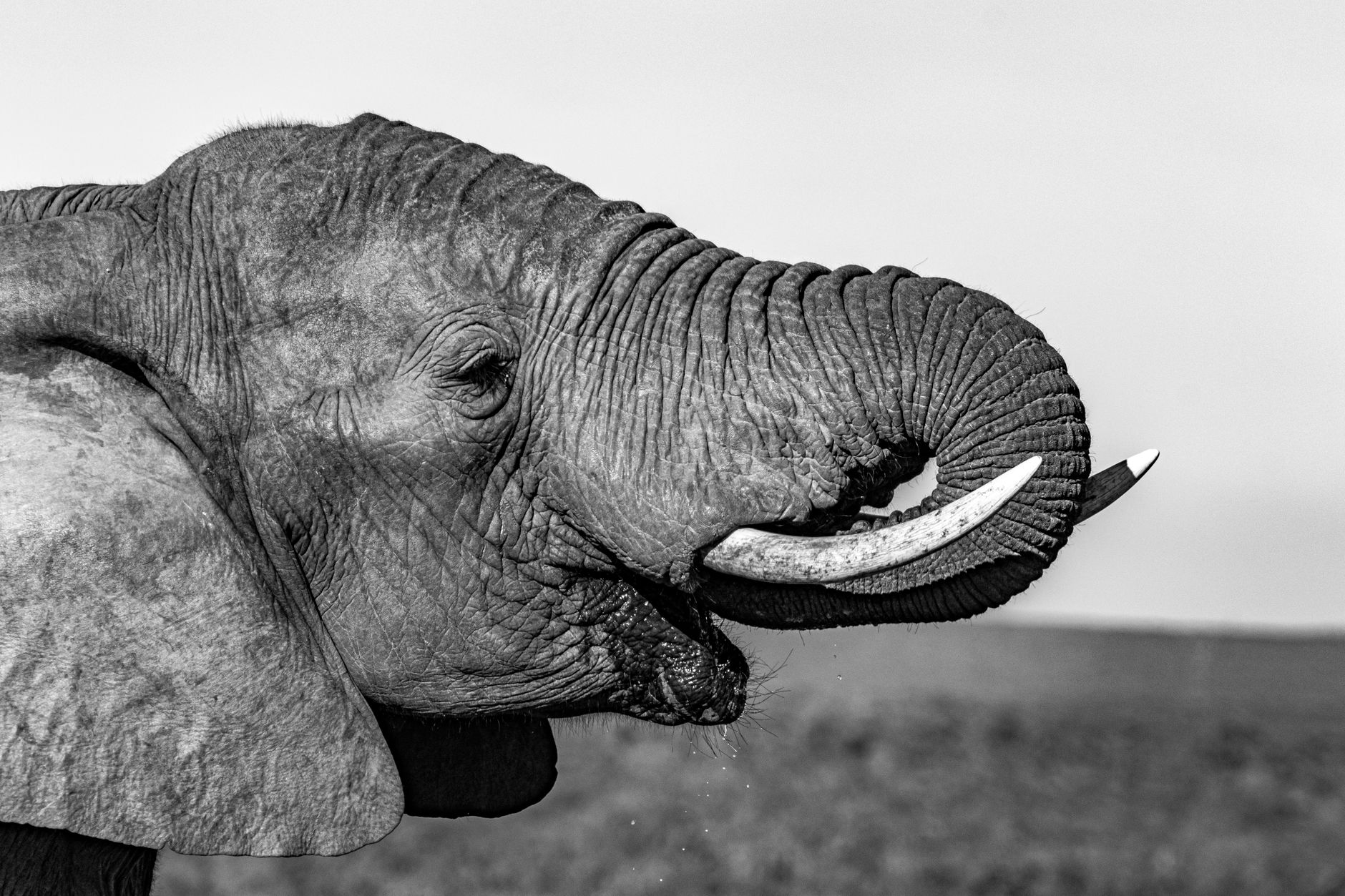
Ellie was not just a mount in DKC3. She was a character with personality, specific mechanics built around her water-spraying trunk, and a memorable running gag involving her irrational fear of mice. She represented something Nintendo and Rare achieved at their best: an animal companion with genuine charm and functional purpose. To see Bananza roll out without any acknowledgment of her feels, to those fans, like a quiet erasure.
Why Ellie Mattered More Than a Gimmick
The animal buddies in the original Donkey Kong Country trilogy were not interchangeable power-ups. Each one had a distinct identity, and players formed real attachments to them. Rambi the Rhino had the raw aggression. Enguarde the Swordfish owned the underwater sections with elegance. Squawks the Parrot carried a flashlight. Ellie, arriving in the third installment, brought something different entirely: she was physically large, powerful enough to carry barrels with her trunk, and genuinely useful across multiple level types. More than that, her mouse phobia made her feel like an actual creature with quirks rather than a vehicle with a skin.
DKC3 is frequently the underdog of the trilogy, overshadowed by the original’s nostalgia and DKC2’s near-universal acclaim. Because of that, Ellie has never had a second chance to make an impression. She appeared in the SNES game, returned in the Game Boy Advance port, and then effectively vanished from Nintendo’s plans. Bananza, with its emphasis on new companions and world-building, felt like the obvious opportunity to bring her back, or at minimum acknowledge that she exists.
Bananza’s Companion Choices and What They Signal
Bananza leans heavily into its own original companion roster rather than mining the archives of the Country series. That is a defensible creative decision. New games benefit from new relationships, and tethering a fresh title to fan service can dilute the experience. Nintendo clearly wanted Bananza to establish its own identity rather than serve as a greatest-hits museum.
That said, the game does gesture toward DK history in selective ways, which is where the frustration becomes understandable. When a franchise acknowledges some legacy elements but quietly sidesteps others, it raises questions about which parts of DK history are considered worth preserving. Rambi, for instance, has maintained enough visibility over the years to feel like official canon. Ellie has not received the same treatment, and the gap between those two animals is not purely about game quality or design relevance.
The DKC Returns era, which includes the Retro Studios-developed games, also passed without meaningful nods to DKC3’s cast. Bananza extending that pattern suggests this is less an oversight and more a sustained editorial choice by whoever holds creative authority over the franchise’s identity. DKC3 fans have watched multiple DK releases come and go, each time hoping some small detail might confirm their era of the series is still respected. It has not happened yet. Worth noting in this context: the ongoing absence of DKC3-era callbacks extends beyond Ellie – Funky Kong’s vehicle rental setup from DKC3 has also gone unacknowledged in Bananza, leaving that game’s specific texture largely invisible to newer players.
None of this means Bananza is a worse game for Ellie’s absence. On its own terms, the companion system works. But a game does not exist in a vacuum, and longtime fans evaluate new entries against the accumulated weight of what came before.
What DKC3 Fans Are Actually Asking For
It is worth being precise about what this frustration looks like in practice. DKC3 fans are not demanding that Bananza remake the 1996 game or that Ellie be shoehorned into mechanics that do not suit her. What they are asking for, in most cases, is visibility. A cameo. A collectible. A background detail. The kind of small acknowledgment that signals a development team knows their history and respects the full breadth of it.
Ellie’s return would also carry specific mechanical potential that feels genuinely compatible with Bananza’s design language. A game built around physical interaction with environments, destructible terrain, and creative use of objects in the world? An elephant with a trunk that moves water and interacts with surroundings would not be a jarring addition. The argument that Ellie is too niche to include does not hold up particularly well when the design space clearly accommodates her.

The Quiet Sting of Being Skipped
There is something specific about loving an underrated entry in a beloved franchise. DKC3 fans already accept that their game will never be the one people talk about first, that Dixie and Kiddy are not the flagship duo, and that the Northern Kremisphere does not carry the same cultural weight as Crocodile Isle. That acceptance does not make the ongoing invisibility of DKC3’s cast easier to absorb. It actually amplifies it, because the expectation is already low, which means the bar for acknowledgment is not high.
Bananza had the ceiling to clear it. A single Ellie reference – an easter egg, a silhouette, anything – would have cost nothing and meant something real to a group of fans who have waited a long time for a signal that their corner of the DK universe still counts. Instead, the game ships without one, and DKC3 fans are left doing the same math they always do: weighing how much they love DK against how clearly DK does not love their era back.
Ellie’s mouse fear made her funny and specific and memorable. It is strange that a franchise willing to build entire mechanics around personality has not found a way to give her another moment in over two decades.