




The Buddy System Is Missing
Donkey Kong Bananza arrives as Nintendo’s big Switch 2 showcase title, and by nearly every measure, it looks like a confident return for the franchise. New mechanics, destructible environments, a fresh art direction – the game is clearly swinging for something ambitious. But one thing is conspicuously absent from the pre-release materials, the feature lists, and the confirmed gameplay details: Diddy Kong, and with him, any form of two-player co-op built around the classic DK-and-Diddy partnership.
For a significant portion of the Donkey Kong Country fanbase, that absence is not a minor footnote. It is the loudest thing about the game. Online forums, social threads, and fan communities have been wrestling with what it means to get a major Donkey Kong release without the mechanic that defined how many players first fell in love with the series. The split in the fanbase is real, and it goes deeper than simple nostalgia.
What Co-Op Meant in the Original Games
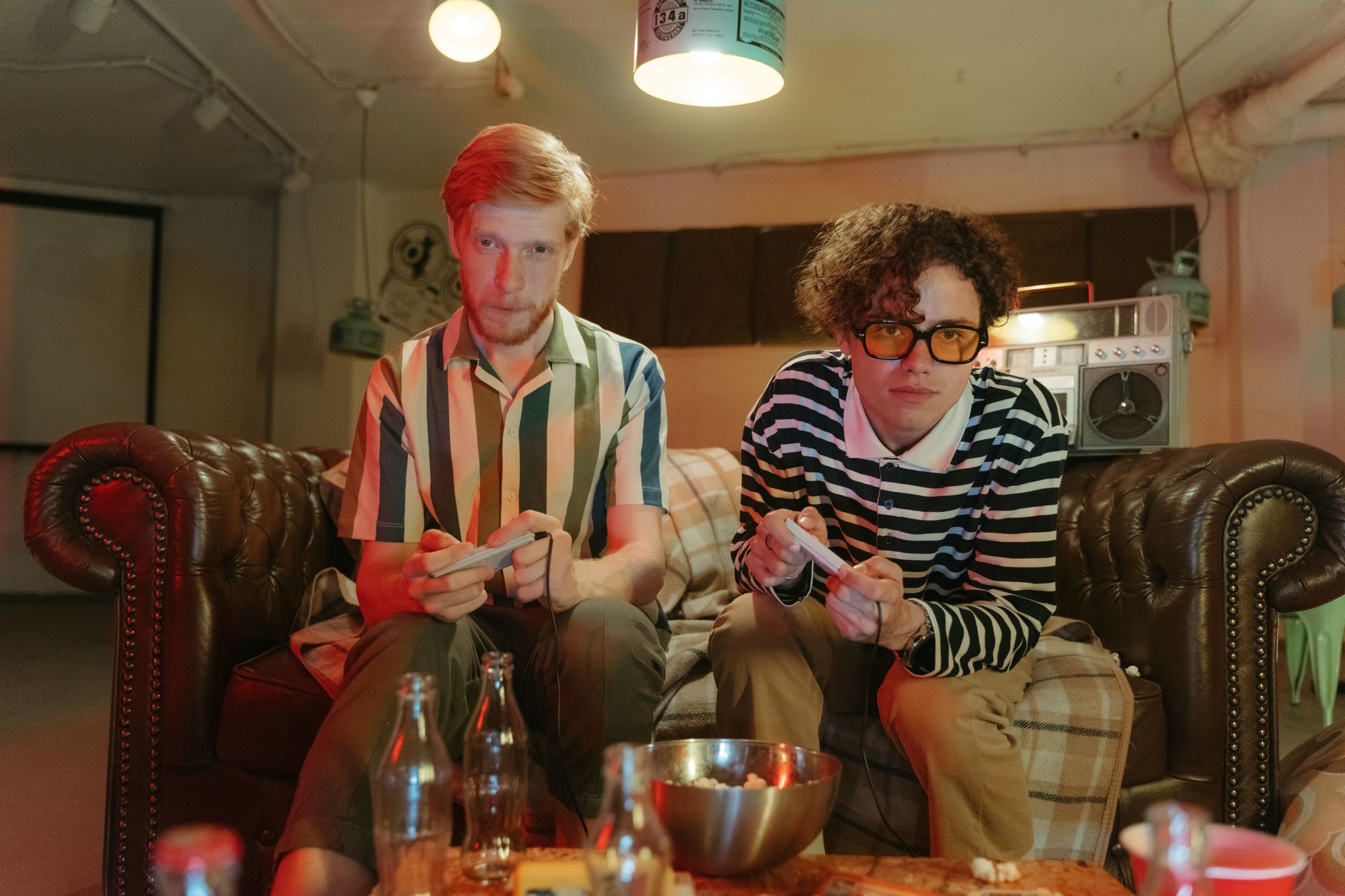
The Donkey Kong Country games on the Super Nintendo built their identity partly on a two-player mode that felt genuinely different from what other platformers offered at the time. Players could swap between DK and Diddy mid-run, or in certain modes play simultaneously – one controlling each character. It was messy, chaotic, and endlessly fun with a sibling or a friend on the couch. The mechanic was simple in execution but it created a social layer around the game that many players still associate with their earliest gaming memories.
Donkey Kong Country Returns brought back a version of that dynamic, allowing a second player to jump in as Diddy and ride on DK’s back, contributing barrel throws and jetpack assists. It was not the cleanest co-op design ever built, but it kept the tradition alive. Tropical Freeze refined the concept further with multiple partner characters, each adding different gameplay wrinkles. The precedent across three decades of DK games is consistent: this is a franchise that accommodates a second player, and that player is usually Diddy.
Bananza, at least based on everything Nintendo has shown so far, is breaking that precedent. The game appears to be a single-player experience built around DK’s new ability to punch, dig, and destroy terrain. Whether that design simply could not accommodate a co-op partner, or whether Nintendo made a deliberate creative call to go solo-only, has not been fully explained. That lack of explanation is part of what is frustrating fans who wanted clarity before launch.

The Fanbase Divide in Plain Terms
The reaction to Bananza’s apparent co-op absence is not uniform. A portion of the fanbase is fully on board with Nintendo’s direction. Their argument is straightforward: if the new terrain-destruction mechanic works best as a tightly controlled single-player experience, then adding a second character just to satisfy tradition would dilute the design. Games do not owe their predecessors anything structurally.
That perspective has merit, but it is not landing well with the crowd that specifically looks forward to DK games as couch co-op experiences. For parents who play with kids, or longtime fans who associate the franchise with shared-screen multiplayer, Bananza’s solo focus removes the exact element that made the series a go-to. A technically excellent single-player game is still a single-player game, and that distinction matters for how people actually play.
Why Diddy’s Absence Stings Differently
Diddy Kong is not just a gameplay mechanic. He is the second most recognized face in the Donkey Kong franchise, and his absence from Bananza – not just as a co-op partner but apparently as a meaningful presence in the game at all – reads to many fans as a deliberate sidelining. The character has appeared in nearly every mainline DK title, in Mario Kart, in Smash Bros., in his own spinoff games. Removing him from the marquee franchise entry feels like a statement, even if Nintendo has not made one explicitly.
Some fans have pointed to the introduction of Pauline as DK’s companion in Bananza as context. The idea of Pauline filling a narrative role previously held by familiar Kong characters is interesting creatively, but it does not resolve the co-op question. A story partner and a playable co-op character are different things, and what players are mourning is the latter.
There is also a generational dimension here. Players who grew up with the SNES trilogy are now in their thirties and forties, and many of them are introducing their own children to gaming through exactly these kinds of Nintendo releases. The co-op DK experience is how that handoff often works – parent and kid on the couch, swapping characters or playing simultaneously. Removing that on-ramp does not just disappoint individual fans; it changes how the game functions as a shared experience across age groups.
It is worth watching whether Nintendo addresses any of this before or after launch. The company has occasionally added features post-release, and a Diddy Kong DLC or a co-op update is not impossible to imagine. Barrel Blast mechanics are also missing from Bananza, which suggests this is a game making sweeping cuts from the DKC formula rather than selectively trimming one or two elements. Whether Nintendo views those cuts as creative freedom or fan alienation likely depends on how Bananza performs commercially with the audience it is targeting – which may not be the same audience that has been waiting thirty years for this franchise to return.
Donkey Kong Bananza might be a brilliant game. The mechanics look inventive, the world design appears genuinely new, and the ambition behind a major DK release on Switch 2 is not in question. But the version of this game that longtime fans dreamed about – DK and Diddy, couch co-op, two controllers, someone’s kid demanding to be Diddy – is not the version Nintendo built. That gap between expectation and product is exactly where fanbase splits are born, and this one is not closing anytime soon.