



The Barrel Jet Shaped Hole in Donkey Kong Bananza
Donkey Kong Bananza arrived as a showcase of what Nintendo’s hardware can do with a franchise that spent years in limbo, and for many players it has delivered. The destruction mechanics are inventive, the world design is dense, and the energy of the whole thing carries that particular Nintendo confidence that makes even skeptics pay attention. But for a specific group of fans – the ones who logged serious hours with Donkey Kong Country Returns and its sequel Tropical Freeze – something is conspicuously missing. Diddy Kong’s barrel jet, the co-op mechanic that defined a generation of DKCR playthroughs, is nowhere in Bananza.
That absence might sound minor to a newcomer. For returning fans, it hits differently. The barrel jet was not just a gameplay tool – it was a relationship mechanic, a shorthand for how two characters moved through the world together. Removing it without replacement has quietly become one of the more discussed grievances in Bananza’s early reception, and the conversation is only getting louder as players dig deeper into what the game offers versus what it left behind.

What the Barrel Jet Actually Was
In Donkey Kong Country Returns, Diddy Kong rode on DK’s back and used his jetpack to extend jumps, giving players a floatier, more forgiving movement profile. It was a mechanical compromise between accessibility and challenge – skilled players could clear levels without leaning on it, but the jetpack created room for experimentation and reduced the punishing rhythm of some of the harder platforming sections. In co-op, it doubled as a way for a second player to stay involved even when DK was doing most of the work.
Tropical Freeze refined this dynamic further, and Dixie Kong’s helicopter hair spin added another layer to the vertical mobility conversation. But Diddy’s jetpack remained the cornerstone of that games mobility identity. Players who mastered its use developed a kind of muscle memory around it – the timing of when to pop it mid-jump, how far it could carry DK over a gap, when to trust it against a spike-lined ceiling. That knowledge doesn’t transfer to Bananza because the mechanic simply doesn’t exist here.
Diddy Kong himself is present in Bananza in a limited capacity, which makes the jetpack’s absence sting more than if he had been cut from the roster entirely. Seeing the character without his defining ability is a bit like watching a racing game feature a car that only drives straight. The context makes the omission more visible, not less.

Fan Reaction Is Measured but Real
The response from the DKCR community hasn’t turned into outrage, which is worth acknowledging. Most fans recognize that Bananza is a different kind of game with different structural goals, and the wholesale destruction mechanic DK now carries is a meaningful trade-off in terms of design philosophy. The criticism tends to be more wistful than hostile – a recognition that something specific was left on the table.
Community spaces dedicated to the Donkey Kong franchise have seen consistent threads asking whether the barrel jet will appear in a future update, a DLC addition, or whether Diddy’s role will be expanded. None of those things have been confirmed. The discussion pattern mirrors conversations happening around other missing features, including the absent Hero Coin challenges that have frustrated players who came to Bananza expecting that layer of collectible depth from previous entries.
Why the Loss Feels Structural, Not Just Cosmetic
The barrel jet shaped how DKCR players thought about verticality. Every tall gap, every elevated platform, every jump sequence had a secondary read built into it – what does this look like with the jetpack, and what does it look like without? Bananza’s platforming doesn’t offer that dual-reading experience. The game asks players to think about terrain destruction instead, which is a genuinely different cognitive mode. Neither approach is wrong, but they are not interchangeable, and fans who spent years developing one type of spatial reasoning are now being asked to rebuild that entirely.
This matters because it’s not just about nostalgia. The barrel jet created a specific skill ceiling – a point where players who understood its limitations could use it to shave seconds, reach hidden paths, or recover from mistakes in ways casual players couldn’t. Bananza has its own skill ceilings, but they don’t map onto the same muscle memory. For fans who felt their expertise carried over from DKCR, there’s a quiet disorientation in realizing it doesn’t here.
Nintendo’s design choice to ground the gameplay more literally – DK’s destruction mechanic keeps him close to surfaces, digging and smashing rather than floating – makes sense as a vision. The problem is that grounding a character who players remember as aerial-capable reads as a step backward in mobility freedom, even if it’s technically a lateral move into a different freedom set. The players feeling this most acutely are those whose favorite DKCR moments involved that extended hang time over a hard drop, and they’re not wrong to notice its absence.
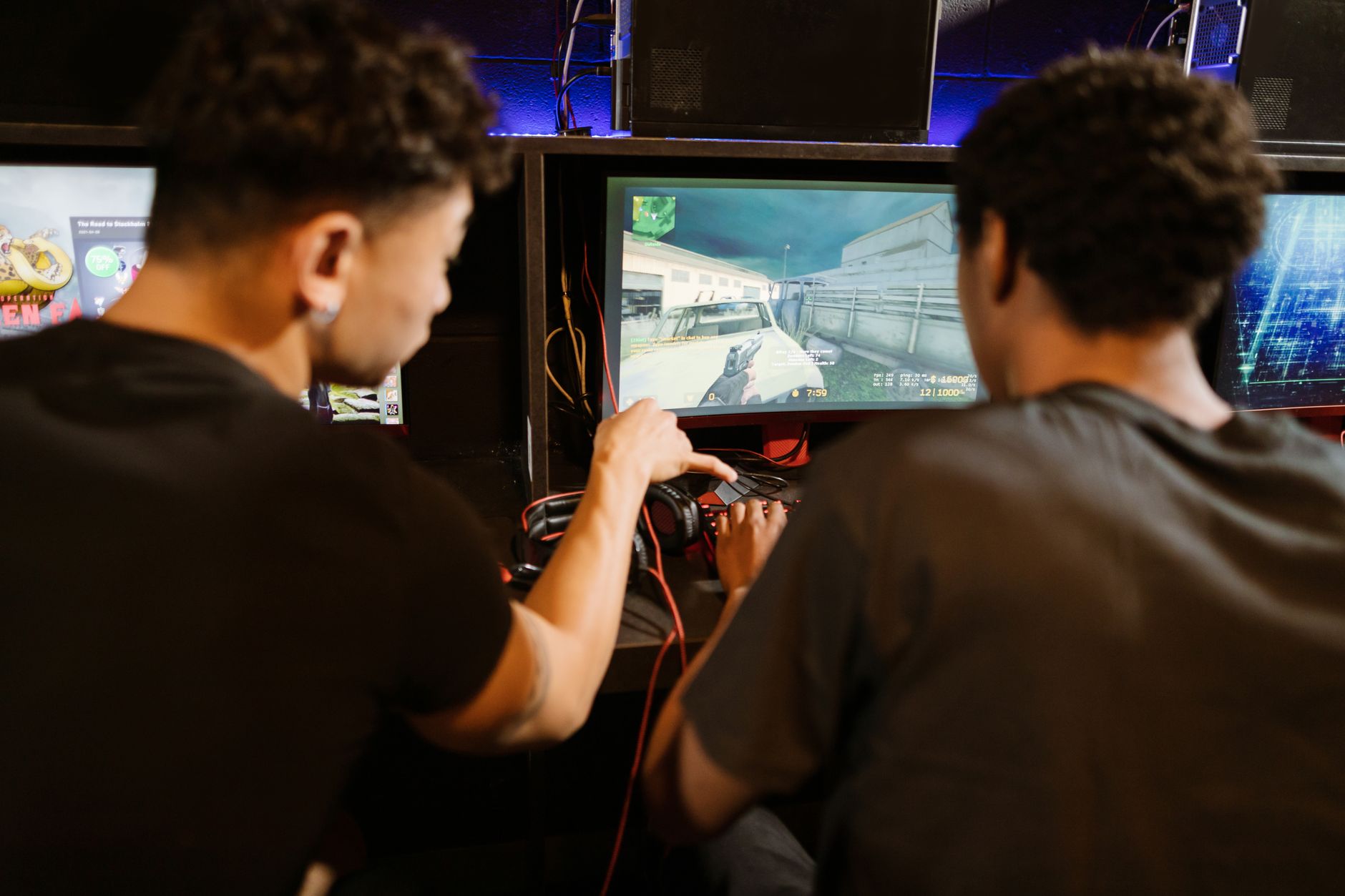
There’s also a co-op dimension that’s harder to dismiss. The barrel jet was one of the cleanest implementations of asymmetric co-op in a Nintendo platformer – one player steered, another contributed lift. Without it, Bananza’s multiplayer dynamics lean on different systems entirely, and those systems don’t carry the same intuitive social quality. Two players figuring out the jetpack together had a natural negotiation built into it. Bananza’s co-op design asks players to coordinate around destruction, which is chaotic in a way that can be fun but isn’t the same thing as that precise shared mobility.
Whether Nintendo revisits this mechanic in a post-launch update or future title, the absence in its current form is a real design decision with real trade-offs. The barrel jet wasn’t just Diddy Kong’s accessory – it was the primary reason DKCR’s movement felt like a conversation between two players rather than one player dragging another along for the ride.