



A Small Detail With a Loud Absence
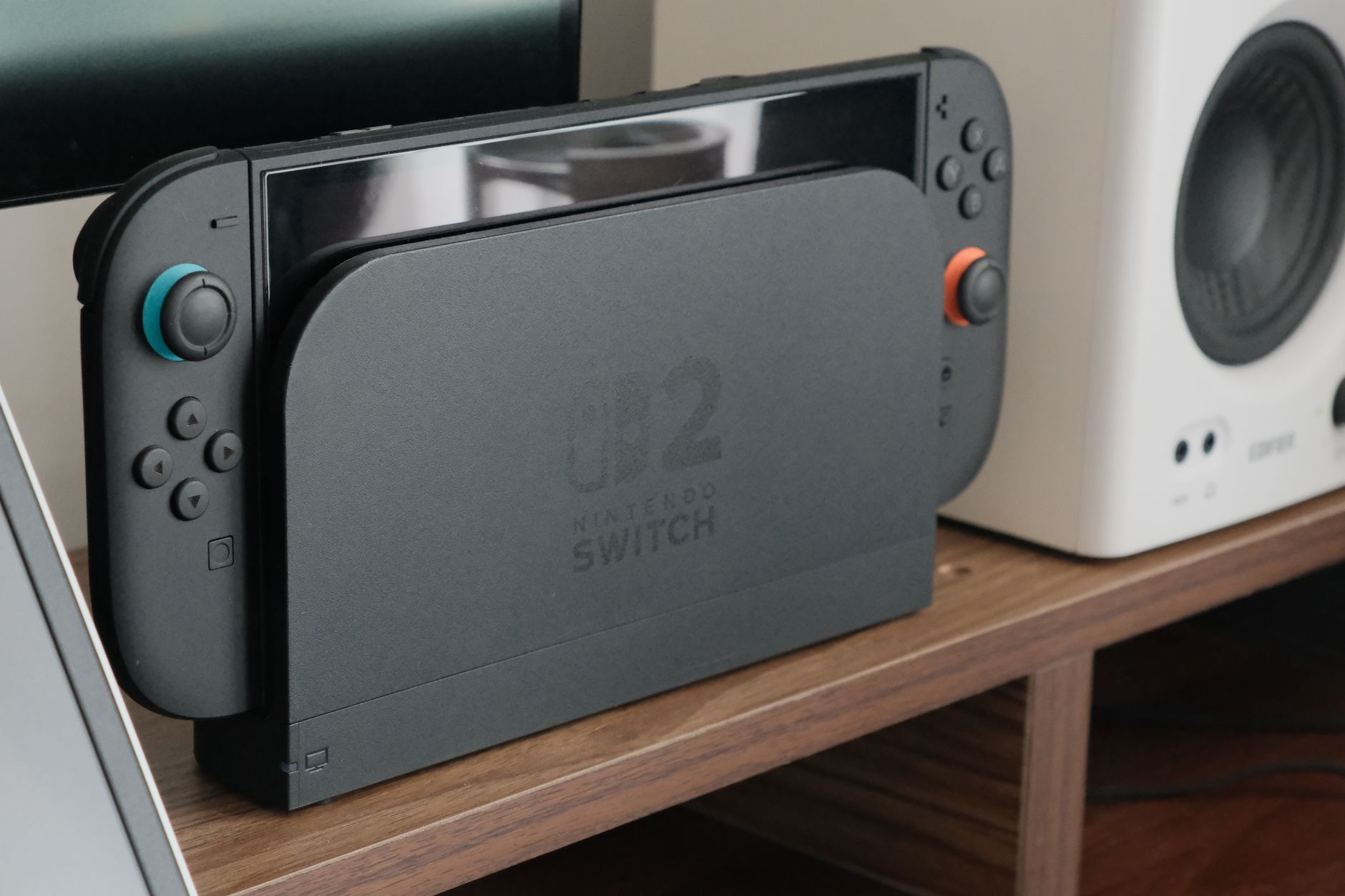
Donkey Kong Bananza is shaping up to be one of the most anticipated Nintendo Switch 2 releases of 2025, but a growing segment of the fanbase has noticed something missing – and they’re not staying quiet about it.
What Made Balloon Animals Special in DKCR
Donkey Kong Country Returns introduced balloon animals as collectible items scattered across its levels, functioning as a kind of environmental storytelling device. They weren’t power-ups. They weren’t necessary for completion. They were small, weird, cheerful decorations that made the world feel like someone had actually lived in it before Donkey Kong showed up and started punching everything. That specificity of tone – a jungle overrun with tribal enemies who apparently loved inflatable art – gave Returns a distinct personality that separated it from its predecessors.
For a certain kind of player, those balloon animals became shorthand for the whole visual language of Returns and its sequel, Tropical Freeze. They represented a design philosophy where the environment wasn’t just a backdrop but a character in its own right. Players who spent time hunting collectibles in those games built up a mental catalog of what a modern Donkey Kong world was supposed to look like, and balloon animals were part of that catalog.
Bananza is doing something visually different. Its world is built around geological destruction – layers of earth that DK can tear through, stone structures that crumble, terrain that actively responds to how the player moves through it. The aesthetic is more tactile, more physical, and significantly more chaotic than the lush jungle environments of Returns. That’s a deliberate creative direction, not an oversight. But it does mean that the decorative sensibility of Returns – including its inflatable animals – has no natural home in Bananza’s visual vocabulary.
The problem isn’t that Bananza lacks balloon animals specifically. The problem is that their absence signals a wider departure from the Returns aesthetic that some fans had assumed would carry forward into every future Donkey Kong game. When a franchise detail you love disappears without explanation, it raises a question: was that thing ever really part of the franchise, or was it just part of one era?
Why the Absence Feels Like a Statement
Nintendo hasn’t described Bananza as a direct sequel to Returns or Tropical Freeze. The game’s marketing positions it as its own thing – a fresh direction for Donkey Kong built around destruction mechanics and an underground world structure that has more in common with a geology puzzle than a jungle platformer. That creative distance is probably intentional, and it’s the reason small aesthetic touchstones like balloon animals didn’t survive the transition.

But fans who grew up with Returns don’t experience that distance academically. They experience it as a feeling that something is off. Online discussion boards have seen a steady stream of posts from players cataloging what Bananza does and doesn’t carry forward from the Returns era – and balloon animals keep showing up on the “doesn’t” list alongside animal buddies and other series staples. The cumulative effect of these absences is starting to read, for some players, as a rejection rather than a reinvention.
That reading might be uncharitable to Nintendo’s actual intentions. Reinventing a franchise visually often means letting go of design elements that worked in a specific context but don’t translate to a new one. Balloon animals made sense in Returns because the game’s enemies were tribal creatures who had taken over DK’s island – the balloon animals were part of that invasion’s visual texture. Bananza’s underground world has a completely different internal logic, and forcing balloon animals into it would feel stranger than leaving them out.
Still, the emotional calculus for longtime fans doesn’t care much about internal logic. If you spent hours in Returns and Tropical Freeze absorbing every corner of those games, you developed an attachment to their specific details. Bananza asks those players to reset that attachment and build a new one from scratch. Some players are happy to do that. Others find the reset harder than expected, particularly when the game doesn’t offer an explicit acknowledgment that the old aesthetic is being left behind.
There’s also a pacing issue with how these absences are being discovered. Players aren’t learning about missing features from a single Nintendo announcement – they’re finding out one detail at a time as preview footage and hands-on impressions trickle out. Each discovery becomes its own small grief. Balloon animals are just the latest entry in that list, and their absence lands harder because they were such a specific, idiosyncratic part of what made Returns feel like Returns.
What Bananza Is Actually Selling
Bananza is clearly betting that its destruction mechanics are compelling enough to replace the aesthetic comfort of the Returns era entirely. The footage Nintendo has shown demonstrates a game that’s genuinely doing something new with how a platformer world can be physically manipulated, and that’s not a small thing. Players who come to Bananza without strong attachments to Returns will likely experience it on its own terms and find plenty to love.
The fans feeling the friction right now are the ones caught between two versions of what Donkey Kong is supposed to be. Returns gave them a very specific answer to that question over two games and a decade of nostalgia. Bananza is offering a different answer, and the balloon animals – small, silly, technically inconsequential – have become a symbol of that gap. Whether Bananza fills that gap with something equally memorable is a question that won’t be settled until players have the full game in hand. Nintendo hasn’t announced a release date beyond the 2025 window, which means that gap has more time to widen before it gets a chance to close.