




Third-party publishers are making a dramatic shift toward Nintendo’s cartridge format, abandoning their long-held preference for disc-based distribution. Major studios that once dismissed cartridges as expensive relics are now embracing the solid-state technology, signaling a fundamental change in how games reach players.
The transformation reflects broader industry trends toward portable gaming, faster load times, and reduced manufacturing complexity. Publishers who spent decades optimizing for optical media are discovering that cartridges offer unexpected advantages in today’s gaming landscape.
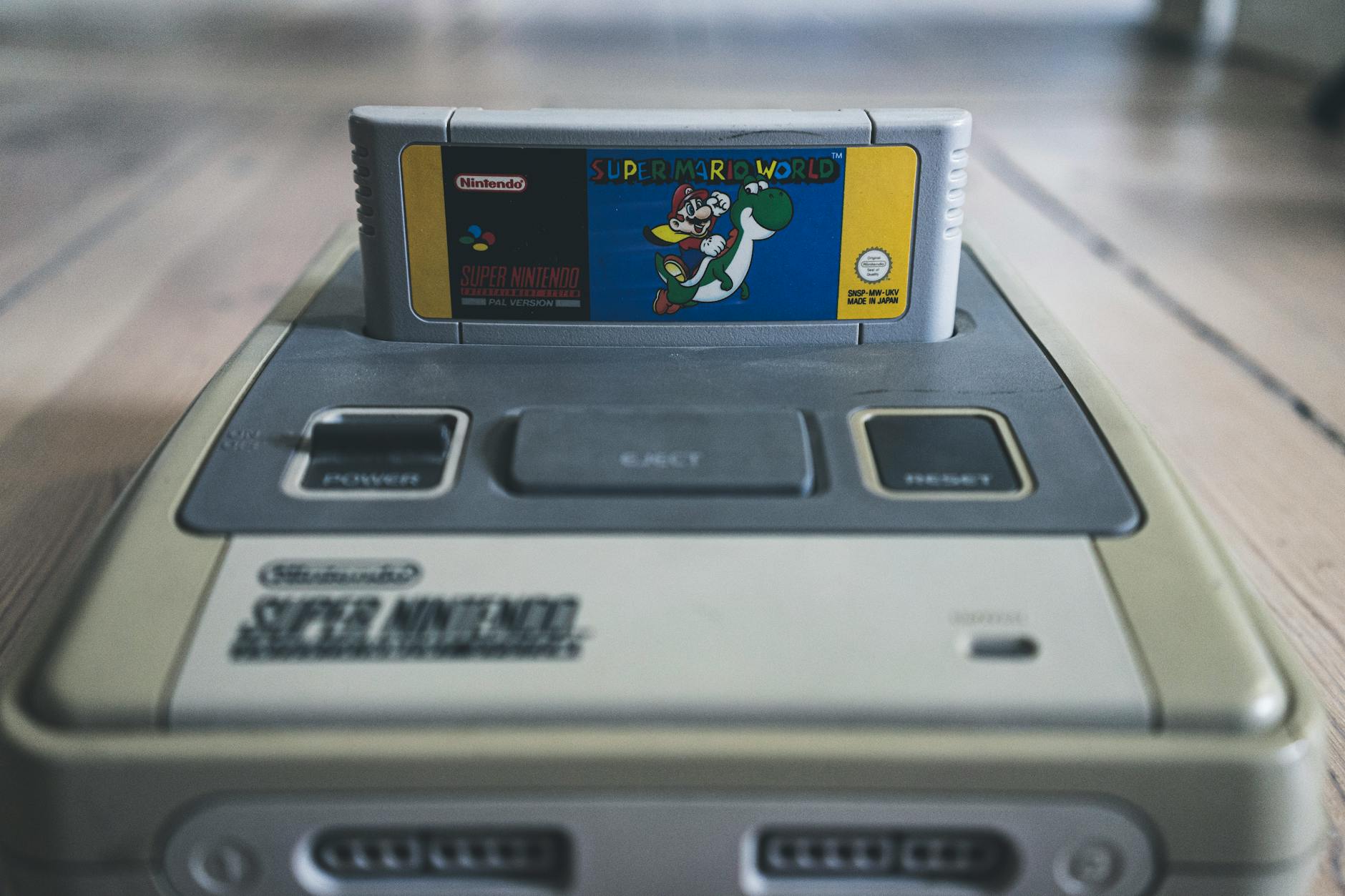
Manufacturing Costs Drop Below Critical Threshold
The economics of cartridge production have shifted dramatically over the past five years. Flash memory prices have plummeted while optical disc manufacturing costs have remained relatively stable, creating a convergence point that makes cartridges financially viable for major releases.
Electronic Arts, historically one of the most vocal critics of cartridge costs, quietly began testing Nintendo Switch cartridge distribution for select titles in 2022. The company’s internal data reportedly shows manufacturing cost differences have narrowed to less than $2 per unit for standard capacity games.
Ubisoft followed suit with aggressive cartridge adoption, moving away from download-heavy releases that frustrated Switch owners. The publisher’s “Assassin’s Creed” and “Far Cry” franchises now ship complete experiences on cartridge, eliminating the massive day-one downloads that plagued earlier releases.
Take-Two Interactive has similarly embraced the format, with “Grand Theft Auto” collections and “NBA 2K” entries arriving as complete cartridge packages. The shift represents a complete reversal from the company’s earlier stance of treating Switch as a secondary platform requiring compromised distribution methods.
Performance Benefits Drive Publisher Interest
Beyond cost considerations, publishers are discovering that cartridges offer tangible performance advantages over traditional distribution methods. Load times for cartridge-based games consistently outperform their digital counterparts, particularly on Nintendo’s aging Switch hardware.
Capcom’s testing revealed that “Monster Hunter Rise” loaded nearly 40% faster from cartridge than from the Switch’s internal storage. Similar improvements were documented across multiple franchises, leading the publisher to prioritize cartridge optimization in its development pipeline.
The durability factor has also influenced publisher decisions. Cartridges survive shipping and retail handling better than optical discs, reducing return rates and customer service complaints. Square Enix reported a 60% reduction in damaged goods claims after switching to cartridge-first distribution for Switch releases.

Publishers are also leveraging cartridge technology for anti-piracy measures. The physical security features built into Nintendo’s proprietary format provide stronger protection than disc-based copy protection, particularly important for day-one releases of major franchises.
Market Response Validates Strategy Shift
Consumer behavior has strongly validated the publisher shift toward cartridges. Physical game sales have remained surprisingly robust on Switch, even as other platforms see digital sales dominate. NPD Group data shows physical Switch game sales consistently outperform digital sales ratios seen on PlayStation and Xbox platforms.
Retailers have responded enthusiastically to the cartridge renaissance. GameStop executives note that Switch cartridge trade-ins generate higher profit margins than disc-based games, while shelf space efficiency allows stores to stock more titles in smaller footprints.
The collectibility factor has also emerged as an unexpected revenue driver. Limited edition cartridge releases command premium prices, with publishers like Limited Run Games demonstrating sustainable business models built entirely around physical cartridge distribution for niche titles.
International distribution has become significantly easier with cartridges. The format’s compact size and durability reduce shipping costs while eliminating region-specific disc pressing requirements that complicated global launches.
Technology Evolution Enables New Possibilities
Modern cartridge technology extends far beyond simple storage. Publishers are experimenting with cartridges that include dedicated processing chips, additional memory for saves and DLC, and even specialized hardware for enhanced features.
Nintendo’s mobile game revenue has provided funding for continued cartridge technology development, as reported in recent industry analysis. This investment ensures cartridge technology will continue evolving alongside gaming hardware demands.
Bandai Namco has pioneered cartridges with built-in achievement tracking and player statistics that persist across console transfers. These “smart cartridges” represent the next evolution of physical media, blending traditional ownership with modern connected features.

Looking ahead, the cartridge format appears positioned to play a major role in next-generation gaming. As publishers continue investing in cartridge-optimized development pipelines and manufacturing partnerships, the format that once seemed destined for obsolescence is experiencing an unexpected renaissance. The success of this publisher shift will likely influence hardware design decisions for years to come, potentially extending cartridge relevance far beyond Nintendo’s current ecosystem.
Frequently Asked Questions
Why are publishers switching to cartridges after preferring discs?
Manufacturing costs have dropped significantly while cartridges offer faster load times and better durability than optical discs.
Which major publishers have adopted Nintendo’s cartridge format?
Electronic Arts, Ubisoft, Take-Two Interactive, Capcom, and Square Enix have all embraced cartridge distribution for Switch games.