




Nintendo’s Switch OLED model launched with fanfare in October 2021, promising enhanced visuals and improved handheld gaming. Yet despite the console’s robust game library continuing to expand with acclaimed titles like “The Legend of Zelda: Tears of the Kingdom” and “Super Mario Bros. Wonder”, sales figures for the premium model have shown consistent decline throughout 2024. Industry analysts point to several factors creating perfect storm conditions that are dampening consumer enthusiasm for the upgraded hardware.
The disconnect between strong software performance and declining OLED hardware sales presents a fascinating case study in modern gaming economics. While Nintendo’s first-party titles continue breaking records, the premium Switch variant faces headwinds that go beyond simple market saturation.
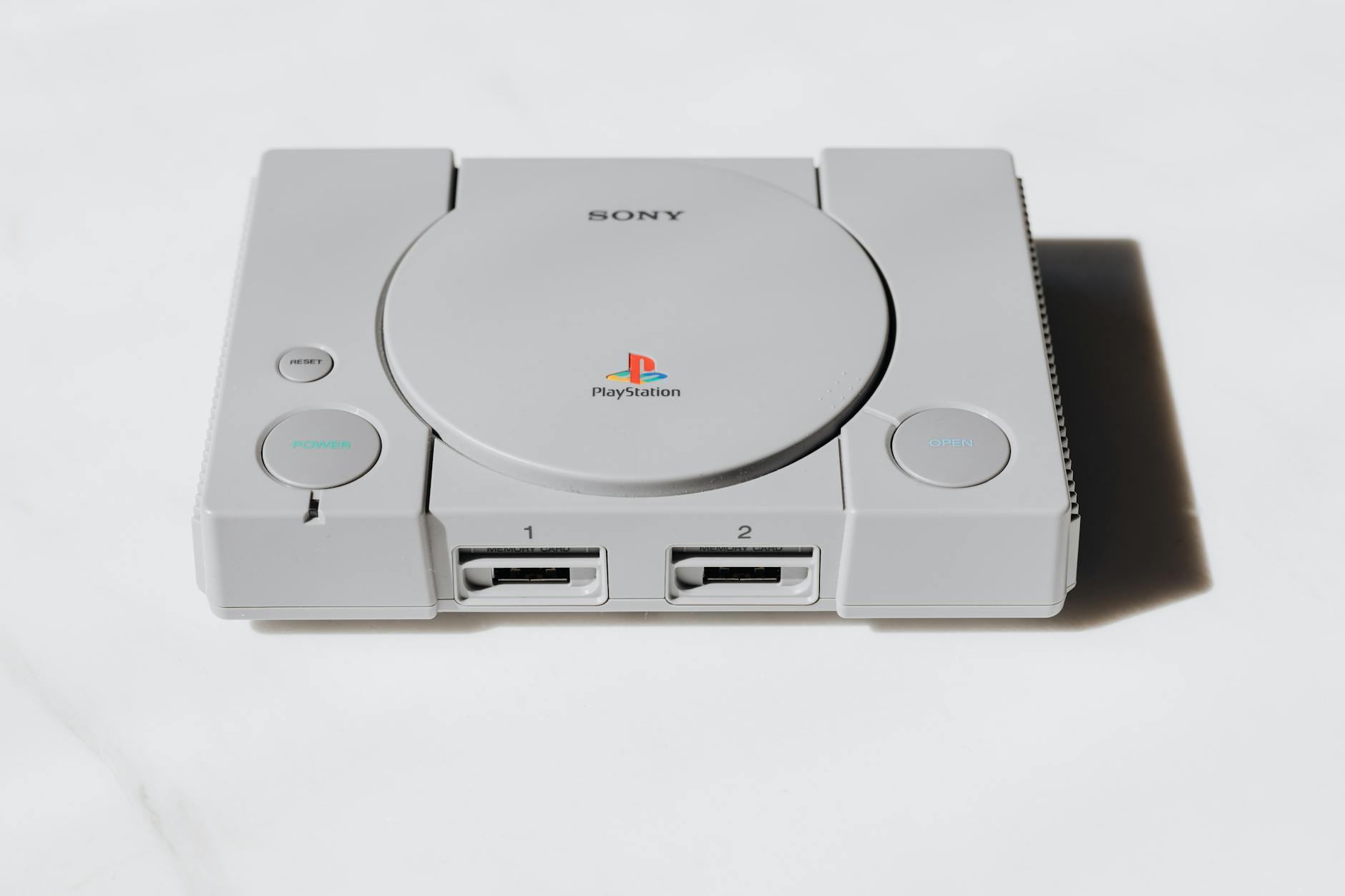
Market Saturation Reaches Critical Mass
The Switch family has sold over 130 million units worldwide since 2017, creating an enormous installed base that reduces the pool of potential OLED upgraders. Most Nintendo fans already own a Switch console, and the OLED improvements – while noticeable – aren’t compelling enough to justify a second purchase for many consumers.
“The upgrade cycle for handheld gaming devices is typically longer than smartphones or tablets,” explains industry analyst Sarah Chen. “Players who bought a standard Switch in 2019 or 2020 aren’t feeling pressure to upgrade when their current system plays all the same games perfectly well.”
The timing of the OLED launch also coincided with peak Switch adoption during the pandemic gaming boom. Many households acquired their first Switch during 2020-2021 lockdowns, making them unlikely candidates for an immediate hardware refresh. These relatively recent purchasers represent millions of potential customers who are satisfied with their current systems.
Nintendo’s own success with the standard Switch model creates an unusual problem – the original hardware remains fully functional and compatible with all new releases. Unlike smartphone upgrades that bring new features or capabilities, the Switch OLED primarily offers visual enhancements that don’t unlock additional gameplay possibilities.
Economic Pressures Shape Consumer Priorities
Rising inflation and economic uncertainty have shifted consumer spending patterns significantly since the OLED’s launch. The $50 price premium over the standard Switch becomes more meaningful when household budgets tighten. Parents and casual gamers, who represent a substantial portion of Nintendo’s customer base, increasingly view the standard model as offering better value.
Gaming budgets are finite, and many consumers prefer allocating extra money toward games rather than hardware upgrades. A single game typically provides dozens of hours of entertainment, while the OLED’s improvements are primarily cosmetic. This value calculation becomes even more pronounced when considering Nintendo’s first-party titles maintain premium pricing at $60 per game.
The broader gaming landscape has also become more competitive for consumer attention and spending. Mobile gaming continues expanding, offering free-to-play options that appeal to budget-conscious players. Meanwhile, subscription services like Xbox Game Pass have trained consumers to expect more gaming content for their money, making a $50 hardware premium harder to justify.
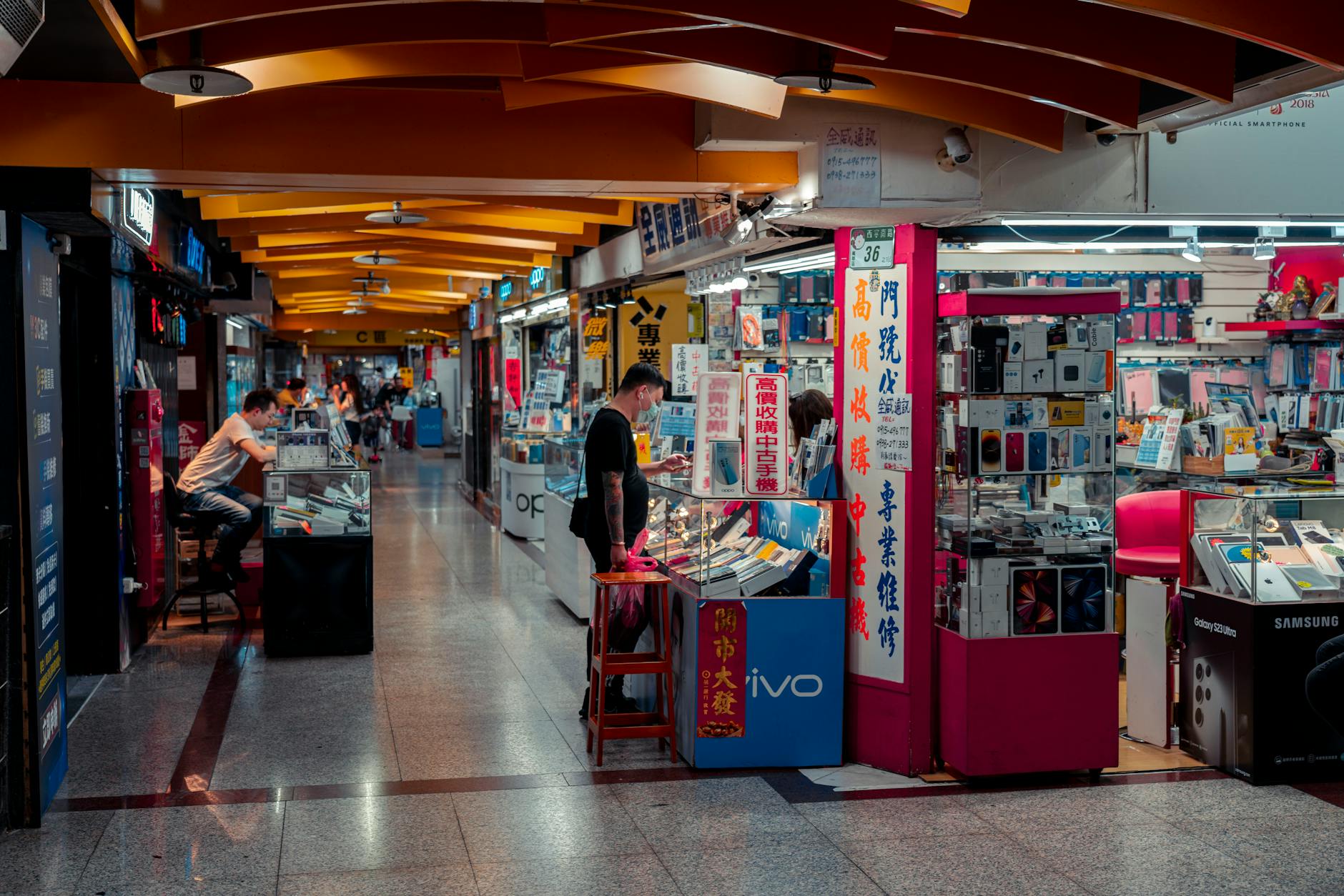
Holiday shopping patterns reveal telling insights about consumer priorities. Retailers report stronger demand for Switch bundles that include popular games rather than standalone OLED hardware. Families shopping for gifts prefer packages that provide immediate gaming experiences over technical improvements that may go unnoticed by younger players.
Competition and Timing Challenges
The OLED model faces increased competition from multiple directions as the gaming hardware market evolves. Valve’s Steam Deck, launched in early 2022, targets hardcore handheld gaming enthusiasts who might otherwise consider a Switch upgrade. While Steam Deck operates in a different ecosystem, it captures mindshare among tech-savvy consumers interested in premium portable gaming.
Mobile gaming continues advancing rapidly, with flagship smartphones offering increasingly impressive gaming capabilities. Apple’s iPhone 15 Pro and high-end Android devices provide console-quality gaming experiences for users who always carry these devices anyway. This reduces the unique value proposition of dedicated handheld gaming hardware.
The timing of major game releases also impacts OLED sales patterns. While Nintendo maintains a steady release schedule, the biggest system-selling titles often work equally well on standard Switch hardware. Games like “Pokémon Scarlet and Violet” and “Splatoon 3” don’t specifically showcase OLED advantages, reducing the hardware’s appeal to potential upgraders.
Nintendo’s own Nintendo Direct presentations focus primarily on software announcements rather than hardware features. This messaging strategy, while effective for game sales, doesn’t create urgency around OLED adoption. The company appears content maintaining the OLED as a premium option rather than actively pushing consumers toward upgrades.
Technical Limitations Become More Apparent
As the Switch approaches its seventh year on the market, hardware limitations become increasingly noticeable even with OLED improvements. The improved screen can’t overcome fundamental processing constraints that affect game performance. Third-party developers continue struggling to optimize demanding titles for Switch hardware, creating visible performance gaps compared to other platforms.
Some recent releases highlight these limitations more clearly. Cloud-based gaming versions of major titles like “Hitman 3” and “Control” remind players that the Switch, regardless of screen quality, can’t match the raw power of competing systems. This reality makes the OLED’s premium positioning less compelling when the core gaming experience remains constrained by aging internals.
Looking Forward: Next-Generation Expectations
Consumer behavior increasingly suggests patience for a more substantial hardware refresh rather than incremental improvements. Rumors of a Switch successor with enhanced processing power create hesitation among potential OLED buyers who prefer waiting for more meaningful upgrades. This anticipation particularly affects enthusiast gamers who represent the most likely OLED customers.
Nintendo faces a delicate balancing act between supporting current hardware and developing next-generation systems. The company’s historical pattern suggests major hardware refreshes every 5-7 years, putting the current Switch generation near the end of its primary lifecycle. This timing makes OLED investment less attractive for forward-thinking consumers.
The decline in OLED sales doesn’t necessarily indicate problems with Nintendo’s overall strategy. The standard Switch continues performing well, and software sales remain robust across all hardware variants. However, it does suggest that premium hardware variants require more compelling differentiators than improved displays alone. Future Nintendo hardware iterations will likely need to offer more substantial improvements to justify premium pricing in an increasingly competitive market.
As gaming preferences continue evolving, Nintendo must balance maintaining its current success with preparing for the next generation of portable gaming experiences.
Frequently Asked Questions
Why are Switch OLED sales declining when Nintendo has great games?
Market saturation and economic pressures make consumers prioritize game purchases over hardware upgrades that don’t add new functionality.
Is the Switch OLED worth buying over the standard model?
The OLED offers better visuals but plays identical games, making the standard Switch better value for most consumers.