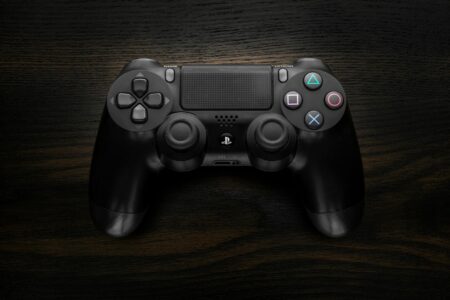




The PlayStation 5’s DualSense controller changed gaming with its advanced haptic feedback, letting players feel everything from raindrops to heartbeats. Now, this same technology is finding its way into operating rooms, physical therapy clinics, and medical training facilities across the world.
Sony’s haptic motor technology, originally developed to enhance gaming experiences, has caught the attention of medical device manufacturers who recognize its potential for surgical training, patient rehabilitation, and diagnostic procedures. The precise vibrations that make you feel a car’s engine rumble in Gran Turismo are now helping surgeons practice delicate procedures and assisting patients in regaining motor function.
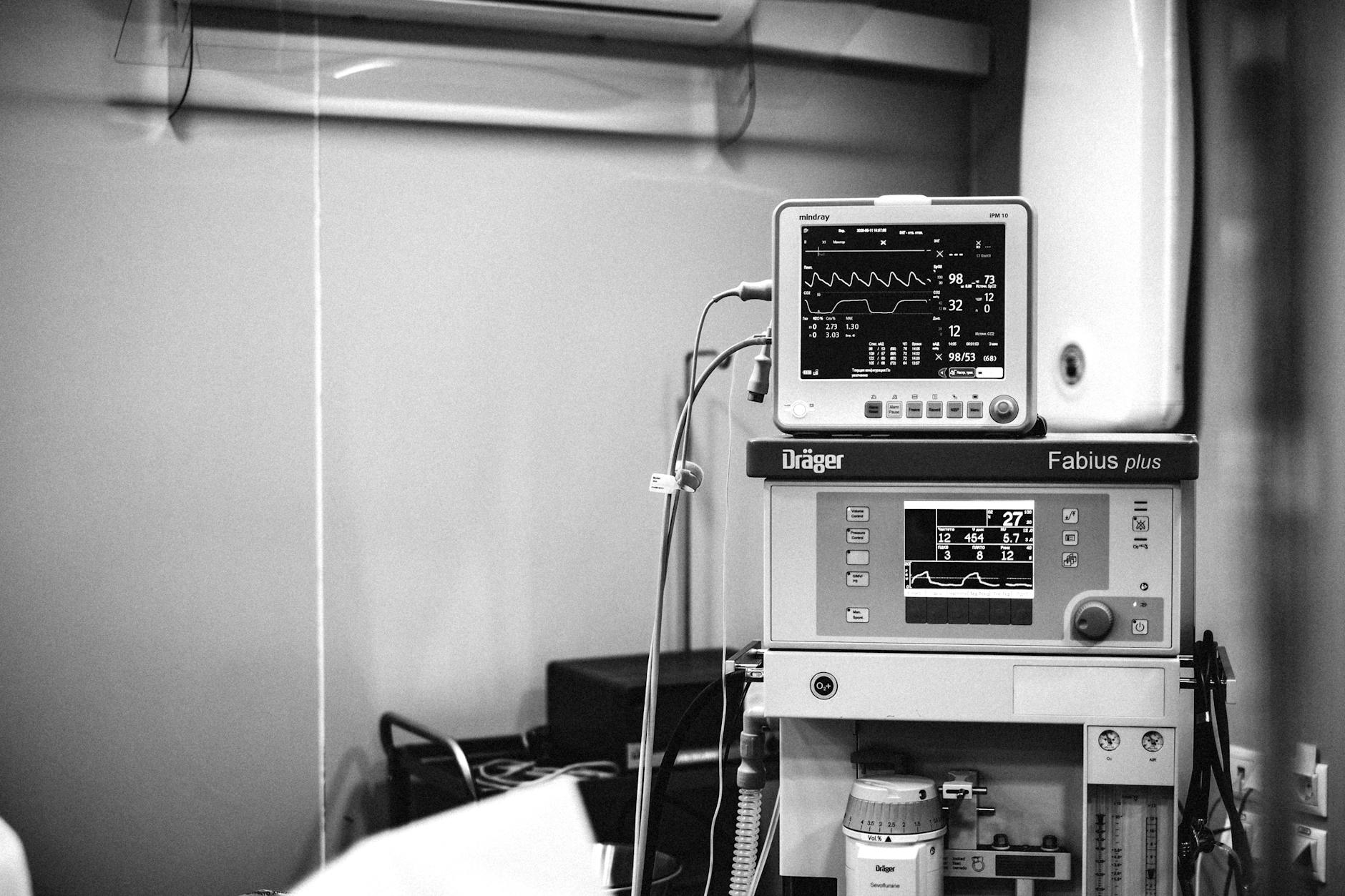
From Gaming Controllers to Surgical Simulators
Medical simulation companies have begun integrating DualSense haptic technology into their training systems. The controller’s advanced actuators provide tactile feedback that closely mimics the resistance and texture sensations surgeons encounter during real procedures. This level of precision allows medical students to practice suturing, catheter insertion, and minimally invasive procedures with unprecedented realism.
Several medical device companies have reportedly approached Sony about licensing the haptic technology for surgical training equipment. The DualSense’s ability to simulate different materials and resistances makes it ideal for recreating the feel of human tissue, bone density variations, and organ consistency. Traditional medical simulators often rely on basic vibration motors that provide limited feedback, but Sony’s adaptive triggers and nuanced haptics create a more immersive training environment.
The technology has proven particularly valuable in laparoscopic surgery training, where surgeons operate through small incisions using specialized instruments. The haptic feedback helps trainees develop the delicate touch required for these procedures, reducing the learning curve and potentially improving patient outcomes when they transition to real surgeries.
Rehabilitation and Physical Therapy Applications
Physical therapy clinics are exploring Sony’s haptic technology for patient rehabilitation programs. The DualSense’s precise feedback mechanisms can guide patients through exercises while providing real-time responses to their movements. This creates a more engaging therapy experience compared to traditional methods.
Researchers have developed rehabilitation games that use DualSense controllers to help stroke patients regain fine motor control. The haptic feedback provides immediate tactile cues when patients perform exercises correctly, reinforcing proper movement patterns. The controller’s adaptive triggers can also be programmed to provide varying levels of resistance, helping patients gradually build strength and coordination.
The technology shows promise for treating conditions like cerebral palsy, where patients need to develop or regain precise motor control. Gaming-based therapy using haptic feedback has shown improved patient engagement rates compared to conventional rehabilitation methods, as the interactive nature makes therapy sessions feel less clinical and more enjoyable.

Diagnostic and Assessment Tools
Medical professionals are discovering that DualSense haptics can enhance diagnostic procedures and patient assessment tools. The controller’s sensitivity allows doctors to create digital examination techniques that supplement traditional physical examinations.
Some healthcare facilities are experimenting with haptic-enabled devices that let doctors “feel” digital representations of medical scans. When examining CT or MRI images, practitioners can use haptic feedback to better understand tissue density, tumor consistency, and anatomical variations. This tactile dimension adds valuable information to visual analysis alone.
The technology also shows potential for remote medical consultations. Telemedicine platforms could incorporate haptic feedback to help doctors assess patients from a distance, though this application remains in early development stages. The precision of Sony’s haptic motors makes such remote tactile examination theoretically possible.
Industry Adoption and Technical Advantages
What makes Sony’s DualSense haptics particularly attractive to medical device manufacturers is the technology’s maturity and reliability. Unlike experimental haptic systems, Sony’s solution has been tested through millions of gaming hours and proven its durability. The company’s manufacturing scale also makes the technology more cost-effective than custom-built alternatives.
The DualSense’s dual actuator system provides more nuanced feedback than traditional rumble motors. Medical applications benefit from this precision, as procedures often require subtle tactile distinctions that conventional vibration feedback cannot convey. The controller’s ability to simulate different textures and resistances translates directly to medical training scenarios where practitioners need to differentiate between various tissue types.
Sony has reportedly been collaborating with medical device companies to adapt the haptic technology for healthcare applications. While the gaming giant continues expanding its entertainment portfolio, as seen with initiatives like putting PlayStation systems in Tesla vehicles, the medical applications represent a significant new revenue stream.
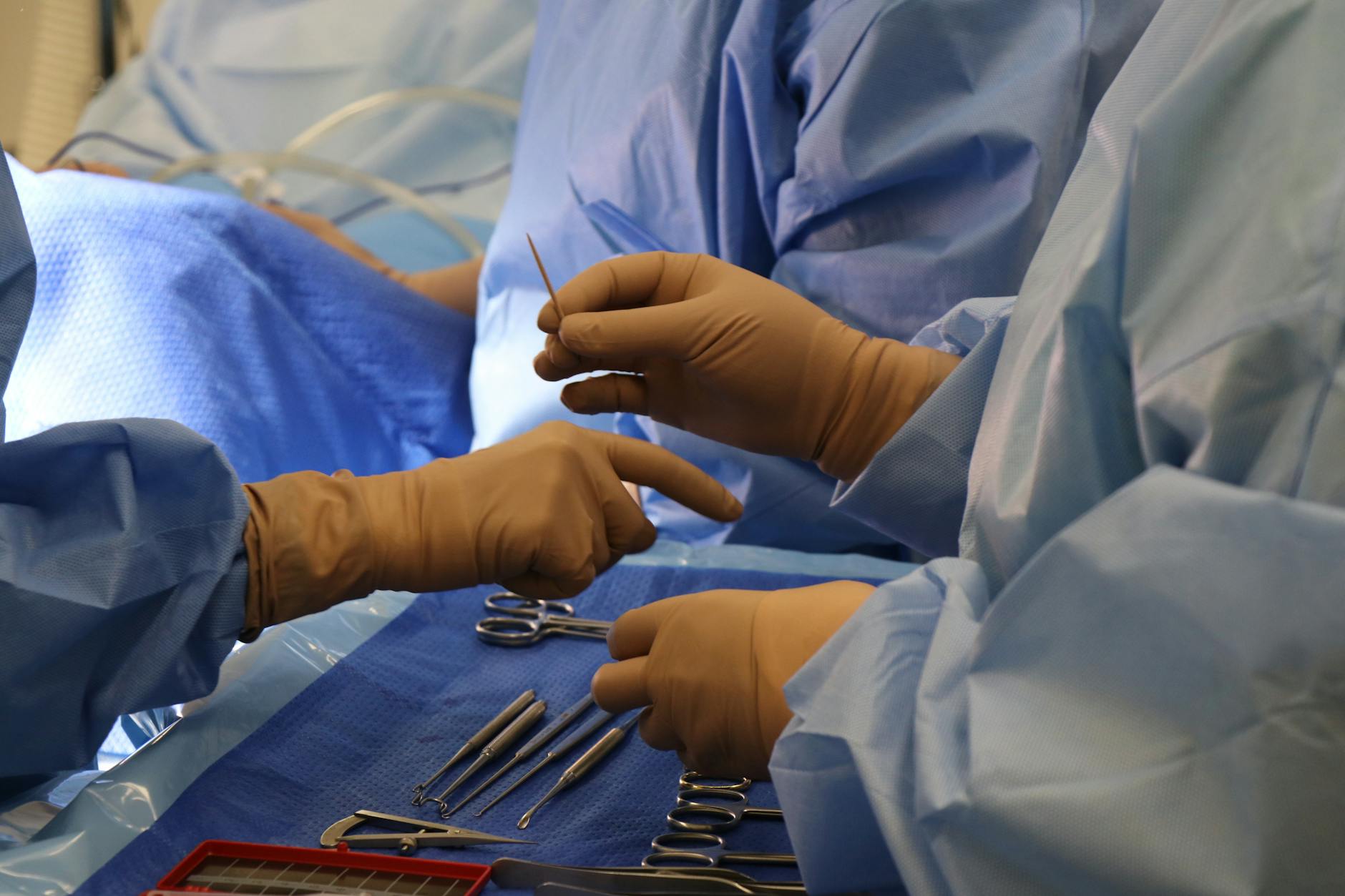
The adoption of gaming technology in healthcare reflects a broader trend of cross-industry innovation. As medical training becomes increasingly digital and patients expect more engaging rehabilitation experiences, the line between entertainment and healthcare technology continues to blur. Sony’s haptic innovation, born from the desire to make games more immersive, may ultimately contribute to better medical training and patient care.
The success of DualSense haptics in medical applications could influence Sony’s future controller development, creating a feedback loop where healthcare requirements drive gaming technology improvements. As more medical institutions adopt these systems, we can expect to see further refinements that benefit both healthcare professionals and gamers alike.
Frequently Asked Questions
How are DualSense haptics used in medical training?
Medical simulators use the technology to provide realistic tactile feedback for surgical training, helping students practice procedures with authentic touch sensations.
Can DualSense controllers help with physical therapy?
Yes, rehabilitation programs use the haptic feedback to guide patients through exercises and provide real-time responses during motor skill recovery.