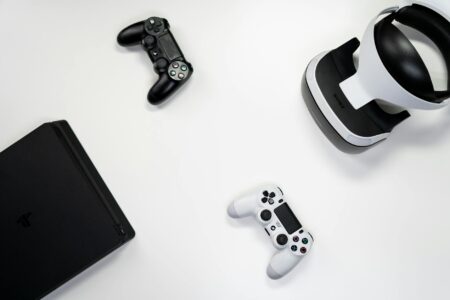




Tesla owners can now turn their Model S and Model X into rolling PlayStation 5 gaming centers thanks to a groundbreaking collaboration between Sony Interactive Entertainment and the electric vehicle pioneer. The integration marks the first time a major console manufacturer has embedded full gaming capabilities directly into production vehicles, transforming how we think about entertainment during charging sessions and parked moments.
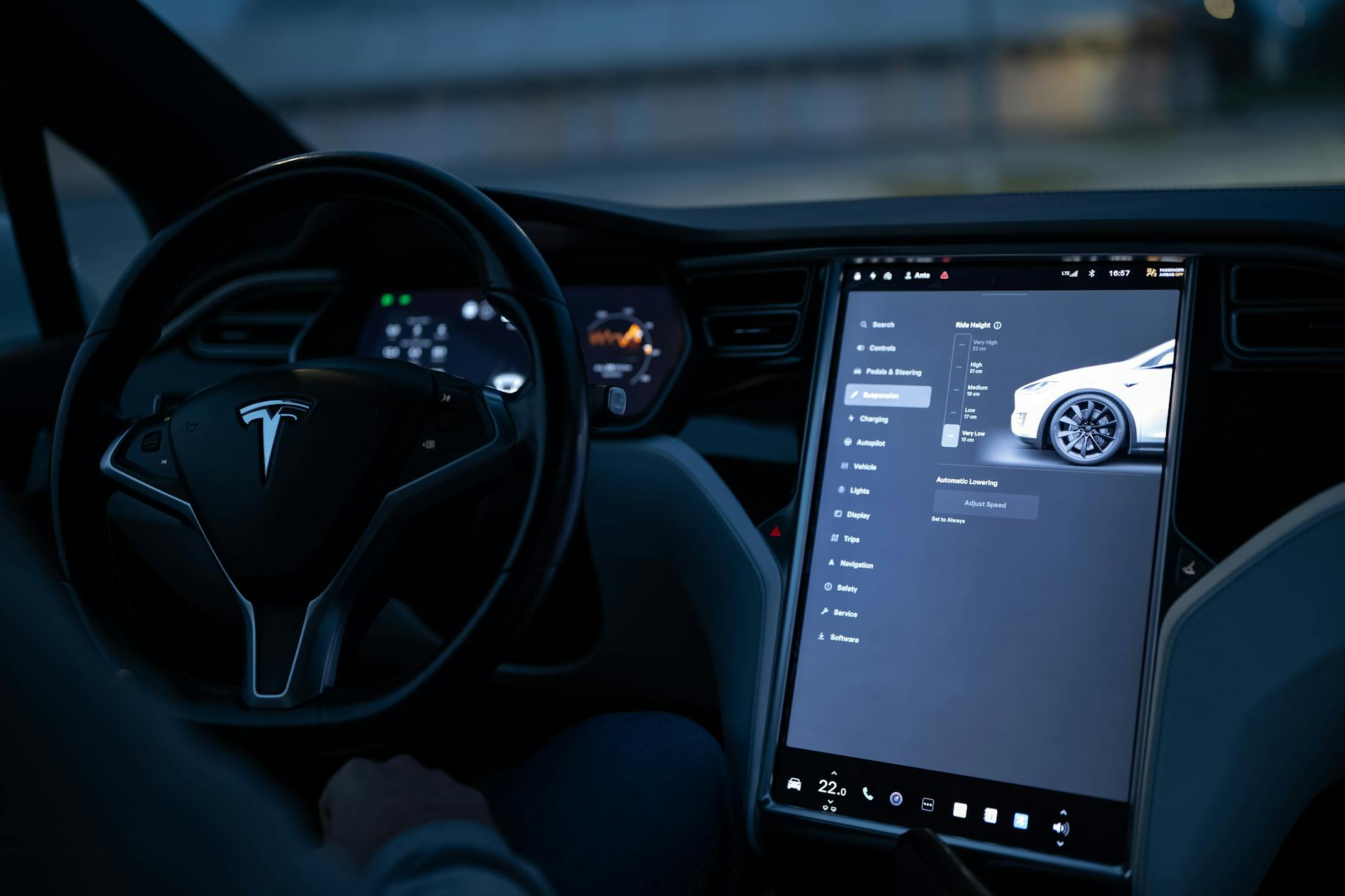
The partnership leverages Tesla’s existing 17-inch touchscreen displays and processing power to run select PlayStation titles without requiring a separate console. Drivers and passengers can access a curated library of PS5 games through Tesla’s entertainment system, though the feature only operates when the vehicle is in park mode for safety reasons.
Full Console Experience on Wheels
Sony has optimized its PlayStation Now cloud gaming technology specifically for Tesla’s hardware architecture. The system streams games at 1080p resolution with minimal latency, taking advantage of Tesla’s built-in LTE connectivity and the vehicle’s substantial battery capacity to power extended gaming sessions.
The initial game library includes popular titles like Spider-Man: Miles Morales, Ratchet & Clank: Rift Apart, and Gran Turismo 7. Sony plans to expand the selection monthly, focusing on games that work well with touch controls or can be adapted for Tesla’s unique input methods. Racing games prove particularly popular, with Gran Turismo 7 allowing players to use the actual steering wheel as a controller.
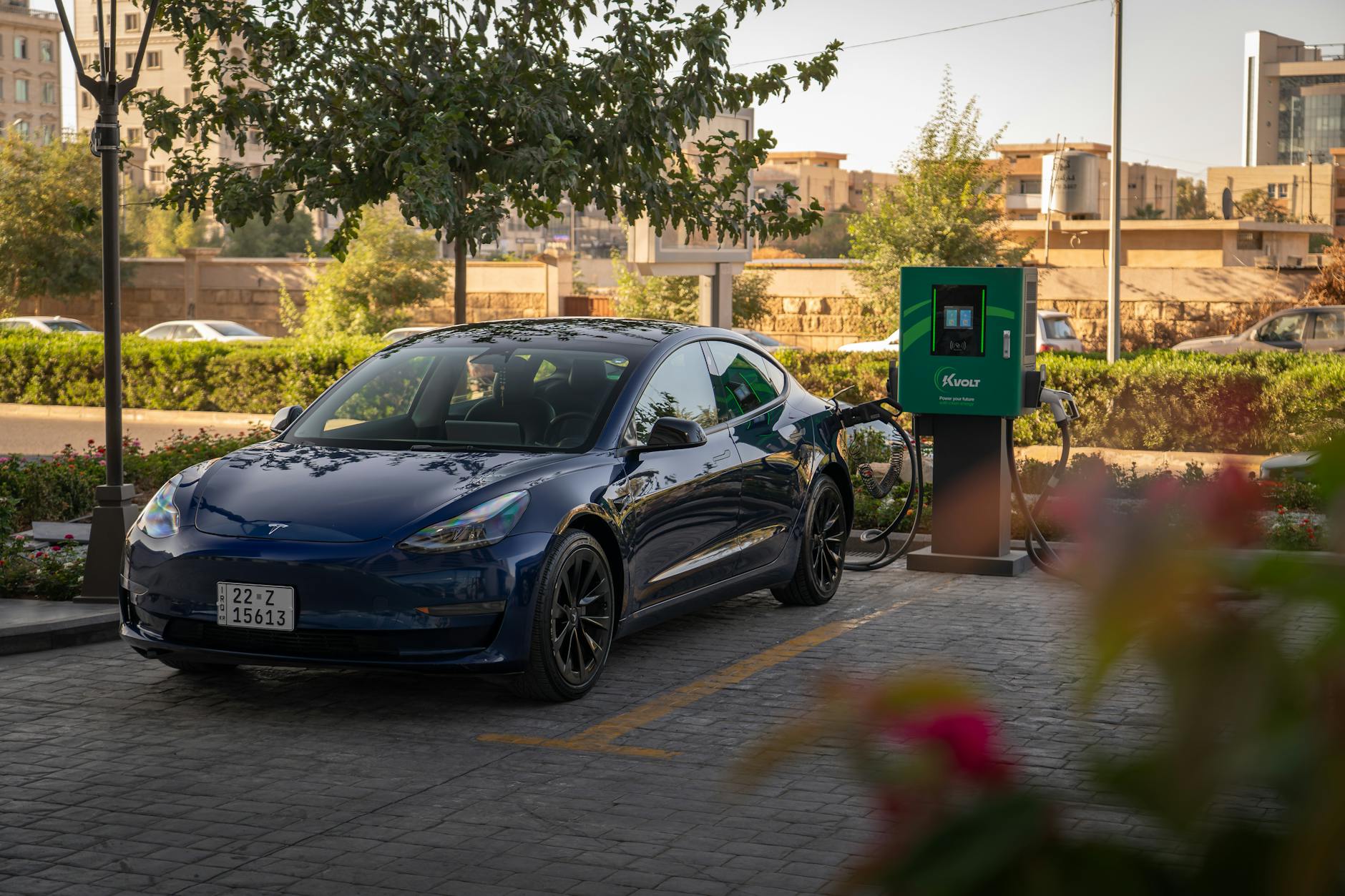
Tesla’s Supercharger network becomes a key component of this gaming ecosystem. The average 30-45 minute charging session provides ample time for gaming, turning previously idle moments into entertainment opportunities. Tesla has reportedly seen increased dwell time at charging stations, with some owners extending their stops specifically for gaming sessions.
The technical implementation required significant collaboration between both companies’ engineering teams. Sony developed custom software that interfaces with Tesla’s operating system, while Tesla allocated additional processing resources and memory to handle the gaming workload without compromising vehicle functions.
Market Response and Competition
Early adopter feedback has been overwhelmingly positive, with Tesla forums lighting up with gaming discussions and screenshot sharing. The feature appeals particularly to families on road trips and rideshare drivers during downtime between rides. Some Tesla owners report the gaming capability influenced their vehicle purchase decision, viewing it as added value beyond transportation.
Other automakers are taking notice. BMW and Mercedes-Benz have both announced partnerships with gaming companies, though none match the depth of the Sony-Tesla collaboration. The success could accelerate similar integrations across the automotive industry, as manufacturers seek to differentiate their electric vehicles in an increasingly crowded market.
Sony’s broader gaming strategy benefits significantly from this partnership. The company has been aggressively expanding PlayStation’s reach beyond traditional consoles, as evidenced by their growing PC game library and PC launcher gaining ground against Epic Games Store. The Tesla collaboration represents another avenue for reaching new audiences who might not own a PlayStation console.
Tesla owners can link their existing PlayStation Network accounts to access purchased games and continue save files seamlessly between their home console and vehicle. This cross-platform continuity mirrors Sony’s approach with their mobile gaming initiatives and reinforces the PlayStation ecosystem’s flexibility.
Technical Challenges and Solutions
The integration wasn’t without obstacles. Tesla’s automotive-grade hardware operates under different constraints than traditional gaming devices, requiring Sony to optimize their streaming technology for variable network conditions and power management concerns. The solution involved developing adaptive streaming algorithms that adjust quality based on connection strength and battery levels.
Safety considerations drove many design decisions. The system completely disables when the vehicle shifts into drive mode, and audio automatically switches to vehicle speakers to maintain awareness of surroundings. Tesla also implemented time limits for gaming sessions to prevent excessive battery drain when the vehicle isn’t charging.
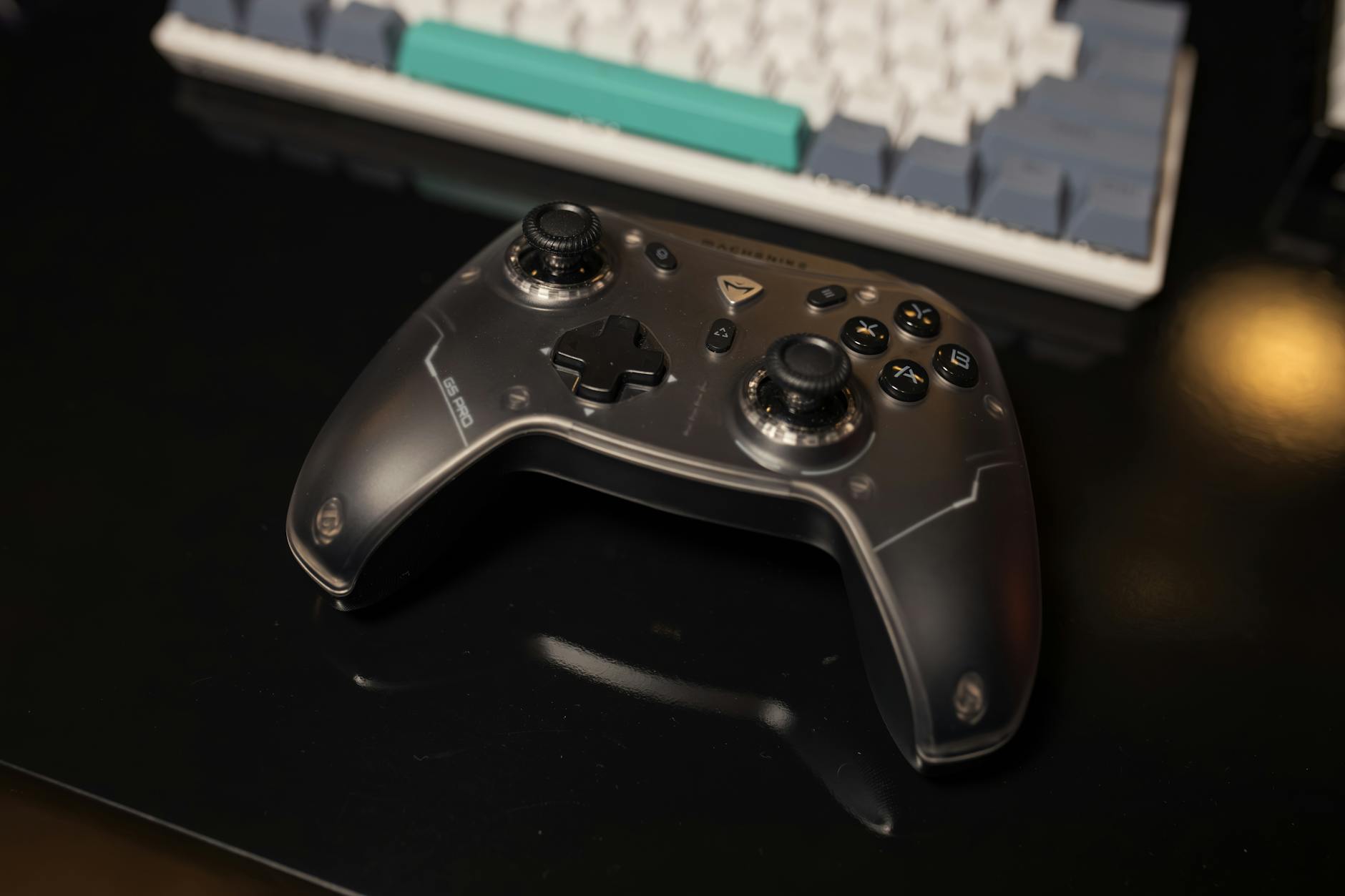
Sony addressed controller limitations by redesigning game interfaces for touch input and steering wheel controls. Some titles received Tesla-specific updates that optimize button layouts and gameplay mechanics for the available input methods. The company plans to release a Tesla-compatible wireless controller for more complex games.
Network requirements proved another challenge, particularly in areas with limited cellular coverage. The system includes offline capabilities for certain games, pre-downloading content during charging sessions when network speeds are optimal. Tesla’s Starlink integration, currently in testing, could eventually provide more reliable connectivity for rural gaming sessions.
Future Expansion and Industry Impact
Sony and Tesla are already planning the next phase of their collaboration. Upcoming features include multiplayer capabilities between different Tesla vehicles and integration with PlayStation VR2 for parked gaming experiences. The companies are also exploring ways to incorporate Tesla’s Full Self-Driving technology to enable gaming during autonomous driving sessions, pending regulatory approval.
The partnership’s success could reshape automotive entertainment expectations. As electric vehicle adoption accelerates and charging infrastructure expands, the demand for sophisticated in-vehicle entertainment will likely grow. Sony’s early entry into this space positions PlayStation favorably as other gaming companies scramble to develop similar partnerships.
Industry analysts predict this collaboration will influence vehicle design decisions, with automakers potentially prioritizing entertainment capabilities alongside traditional automotive features. The integration also highlights the convergence between technology and transportation sectors, as companies seek new revenue streams beyond their core businesses.
Tesla’s approach mirrors broader trends in the gaming industry, where accessibility and platform diversity drive growth. Sony’s willingness to adapt PlayStation technology for automotive applications demonstrates the company’s commitment to expanding gaming’s reach, similar to their partnership with Samsung TVs eliminating console need for certain gaming experiences.
This collaboration represents more than a novel feature – it’s a glimpse into a future where entertainment seamlessly integrates with daily transportation needs. As both companies continue refining the experience, Tesla’s gaming-enabled vehicles could become the standard for premium electric vehicle entertainment, setting expectations for the entire automotive industry.
Frequently Asked Questions
Can you play PS5 games in any Tesla model?
Currently only Model S and Model X support PlayStation gaming through the built-in touchscreen system.
Do Tesla gaming sessions drain the car battery?
The system is optimized for use during charging sessions and includes power management to prevent excessive battery drain.