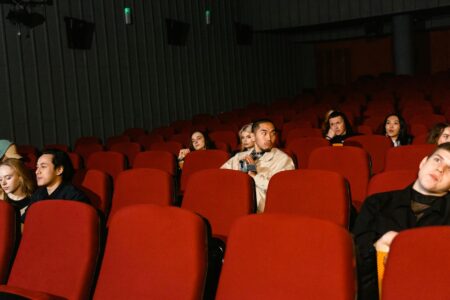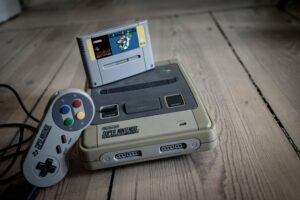




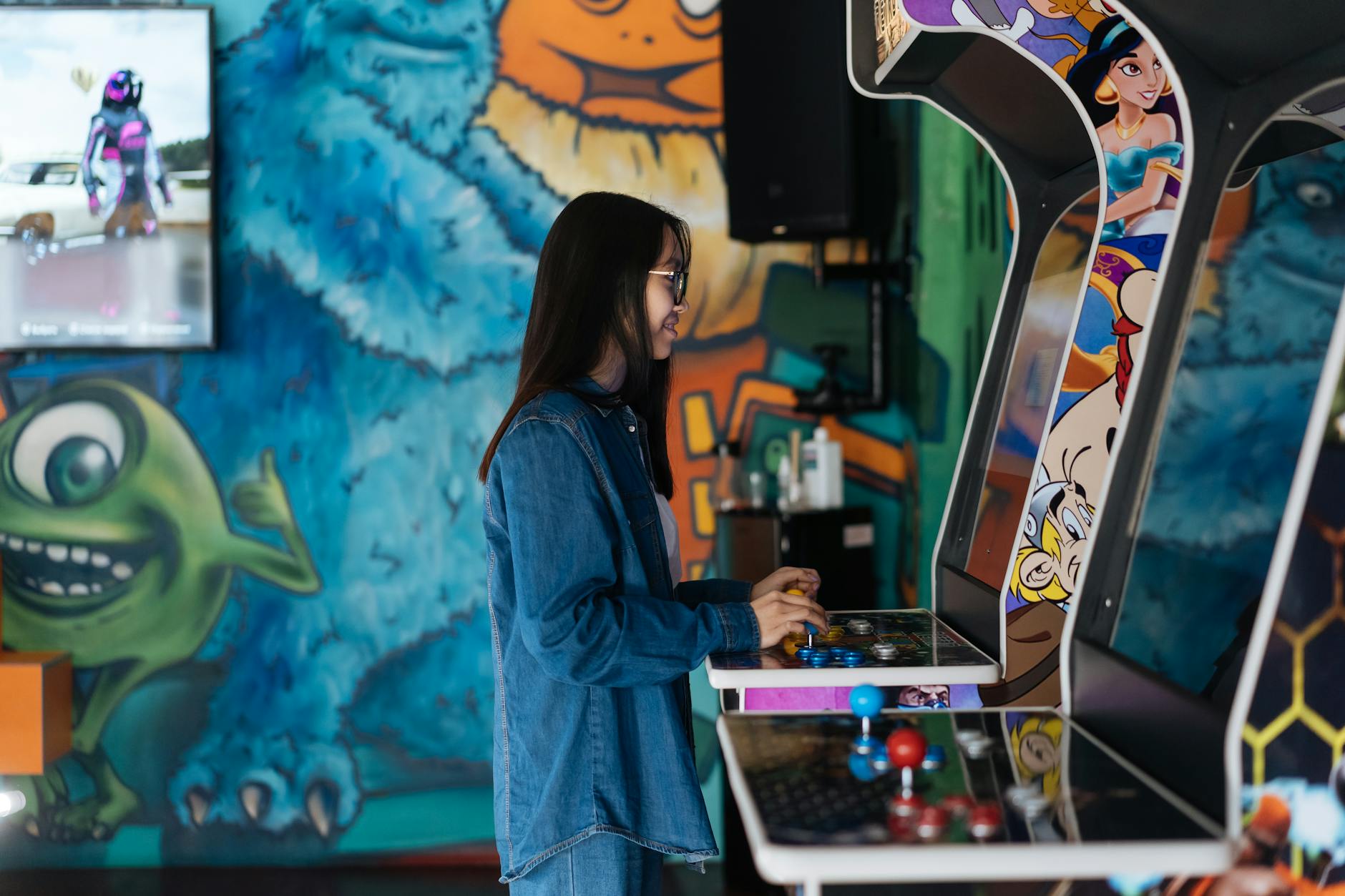
The hum of CRT monitors mingles with the clink of coffee cups as 22-year-old Maya Chen lines up quarters on the Street Fighter II cabinet. Around her, college students huddle over Game Boys, debate Pokemon strategies, and livestream their high scores. This isn’t 1995 – it’s Tuesday night at Pixel & Pour, one of dozens of retro gaming cafes transforming how Generation Z experiences both gaming and socializing.
While their parents’ generation fled arcades for home consoles, Gen Z is doing the opposite. They’re abandoning isolated online gaming sessions for communal spaces where vintage controllers and craft lattes coexist. These venues represent more than nostalgia – they’re filling a social void that digital-first entertainment created.
The Analog Response to Digital Fatigue
Retro gaming cafes are proliferating across major cities, from Los Angeles to Brooklyn to Austin. Venues like Ground Kontrol in Portland and Barcade in New York pioneered the concept, but newer establishments specifically target Gen Z with Instagram-worthy aesthetics and curated game libraries spanning the 1980s through early 2000s.
“We’re seeing 18 to 25-year-olds who grew up entirely online seeking tactile, shared experiences,” explains Sarah Martinez, owner of Respawn Cafe in Chicago. “They want to physically hand someone a controller, not just send them a Discord invite.”
The appeal isn’t purely nostalgic since most Gen Z patrons weren’t alive during these games’ original runs. Instead, they’re drawn to the simplicity and immediacy of retro titles. No 60GB downloads, no microtransactions, no battle passes – just plug-and-play entertainment that encourages face-to-face interaction.
Research from the Entertainment Software Association shows that 73% of Gen Z gamers prefer local multiplayer experiences over online alternatives when given the choice. Retro gaming cafes capitalize on this preference by offering games designed for shared screens and passed controllers.
Building Community Through Competition
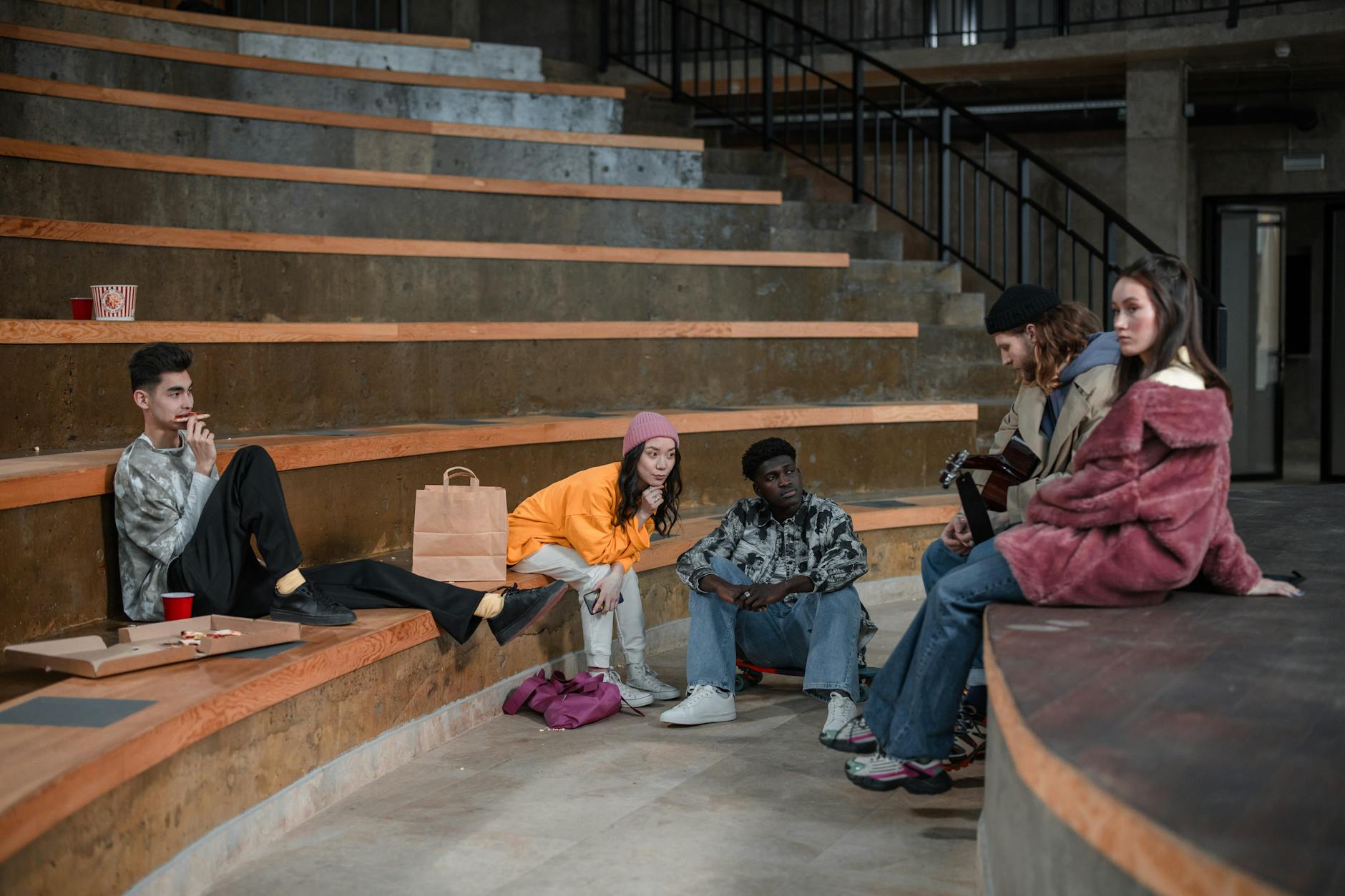
Unlike traditional cafes where laptops create social barriers, retro gaming venues actively facilitate connections. Tournament nights for games like Super Smash Bros. Melee and Tekken 3 draw regular crowds who form lasting friendships over shared defeats and victories.
“I’ve met more genuine friends at retro gaming nights than I have through dating apps or social media,” says Alex Thompson, a 24-year-old regular at Austin’s High Score Saloon. “There’s something about getting destroyed at Street Fighter that breaks down social walls immediately.”
Many venues host themed events that blend gaming with other interests. Pixel & Pour runs “Retro Romance” nights where couples tackle cooperative games like Bubble Bobble, while others organize charity tournaments that raise money for local causes. These events create natural conversation starters and shared goals beyond individual achievement.
The competitive element proves crucial for community building. Unlike modern online games where players remain anonymous, retro arcade competition requires physical presence and real-time reactions. Trash talk becomes playful banter, victories feel more earned, and defeats sting less when your opponent offers to buy the next round.
The Economics of Nostalgia
The business model combines multiple revenue streams that appeal to Gen Z’s spending habits. Most venues charge hourly console rates ranging from $8 to $15, while others operate on a pay-per-play arcade model. Food and beverage sales provide steady income, with many cafes serving Instagram-friendly items like pixel art latte foam and cocktails named after classic games.
“Gen Z will pay premium prices for experiences they can’t replicate at home,” notes retail analyst Jennifer Walsh. “A $12 craft cocktail at a retro gaming bar feels justified when it comes with access to rare arcade cabinets and social interaction.”
The investment in authentic hardware creates significant barriers to entry but also ensures uniqueness. Original arcade cabinets can cost thousands of dollars, and maintaining CRT monitors requires specialized knowledge. However, this authenticity becomes part of the appeal – the weight of arcade sticks, the glow of phosphor screens, and the particular sounds of vintage hardware can’t be emulated on modern devices.
Some venues augment their retro collections with modern indie games that capture the aesthetic and gameplay of earlier eras. Titles like Celeste, Shovel Knight, and Pizza Tower bridge generational gaps while maintaining the cooperative spirit that defines these spaces.
Beyond Gaming: Cultural Connection Points
Retro gaming cafes serve as cultural education centers, introducing Gen Z to gaming history they missed firsthand. Many patrons discover influential titles like Pac-Man, Donkey Kong, and Super Mario Bros. in their original contexts, gaining appreciation for how these games shaped modern entertainment.
This educational aspect extends beyond individual games to broader cultural understanding. Experiencing arcade culture helps Gen Z understand references in movies, music, and art that draw from gaming’s golden age. The social dynamics of arcade gaming – gathering around difficult sections, celebrating high scores, learning from more skilled players – provide insights into pre-internet community formation.
Staff members often function as informal historians, explaining the significance of different consoles, the evolution of fighting game communities, and the technological limitations that shaped creative decisions. This knowledge transfer creates deeper engagement than simple entertainment consumption.
The venues also attract older gamers seeking to share formative experiences with younger generations. Regular intergenerational tournaments create mentorship opportunities and bridge demographic gaps through shared challenge and achievement. Similar to speedrunning communities that preserve gaming history, these cafes maintain living archives of interactive entertainment culture.
The Future of Social Gaming
As retro gaming cafes continue expanding, they’re influencing broader entertainment trends. Traditional bars are adding vintage arcade sections, while coworking spaces incorporate gaming areas to attract younger demographics. The success of these venues demonstrates Gen Z’s willingness to pay for curated, social experiences that can’t be replicated through screens.
The model faces challenges from rising commercial rents and hardware maintenance costs, but demand continues growing. New venues are exploring hybrid concepts that combine retro gaming with other experiential offerings like escape rooms, axe throwing, and maker spaces.
Industry observers predict that retro gaming cafes will expand beyond metropolitan areas as entrepreneurs recognize the untapped market for social gaming experiences. The key to success lies in understanding that these venues sell community and connection first, with gaming serving as the catalyst for human interaction.
For a generation raised on digital connections, retro gaming cafes provide something revolutionary: the radical act of being present, together, in the same physical space, united by the simple joy of play.
Frequently Asked Questions
What makes retro gaming cafes appealing to Gen Z?
They offer face-to-face social interaction, simple plug-and-play gaming, and authentic experiences that can’t be replicated at home.
How much do retro gaming cafes typically charge?
Most charge $8-15 per hour for console access, with additional costs for food and beverages.