



The era of professional esports gaming houses – those shared living spaces where entire teams would eat, sleep, and train together under one roof – appears to be coming to an end. Major organizations across League of Legends, Counter-Strike, and Valorant are quietly shuttering their team facilities, opting instead for distributed training models that prioritize player well-being over round-the-clock practice schedules.
This shift represents one of the most significant changes in competitive gaming culture since esports went mainstream. Teams that once viewed gaming houses as essential infrastructure now see them as outdated relics that create more problems than they solve.
The Mental Health Crisis Behind Closed Doors
Gaming houses promised efficiency: players could practice longer, communicate better, and build stronger team chemistry by living together. The reality proved far more complicated. Professional players began speaking openly about burnout, social isolation, and the psychological pressure of never truly being “off work.”
Cloud9’s decision to close their League of Legends gaming house in 2023 marked a turning point. The organization cited player mental health concerns and the need for better work-life balance. “When your bedroom is next to your practice room, you never really leave the office,” explained a former team manager who requested anonymity. “Players were showing signs of chronic stress and anxiety that we couldn’t ignore anymore.”
Team Liquid followed suit, transitioning their Valorant roster to a hybrid model where players maintain separate living spaces but gather for structured practice sessions. The change coincided with improved team performance and lower player turnover rates.
Research from sports psychology experts supports these organizational changes. Studies of traditional athletes show that constant proximity to teammates and coaches can create unhealthy power dynamics and prevent proper mental recovery between training sessions.
Remote Practice Technology Changes Everything
The gaming house model made sense when online practice tools were primitive and internet connections unreliable. Today’s esports infrastructure renders physical proximity less critical for effective training.
Modern practice platforms allow coaches to monitor player performance, review gameplay footage, and conduct strategy sessions without requiring shared living spaces. Teams can scrimmage against international opponents instantly, access advanced analytics tools, and maintain communication through sophisticated voice chat systems.
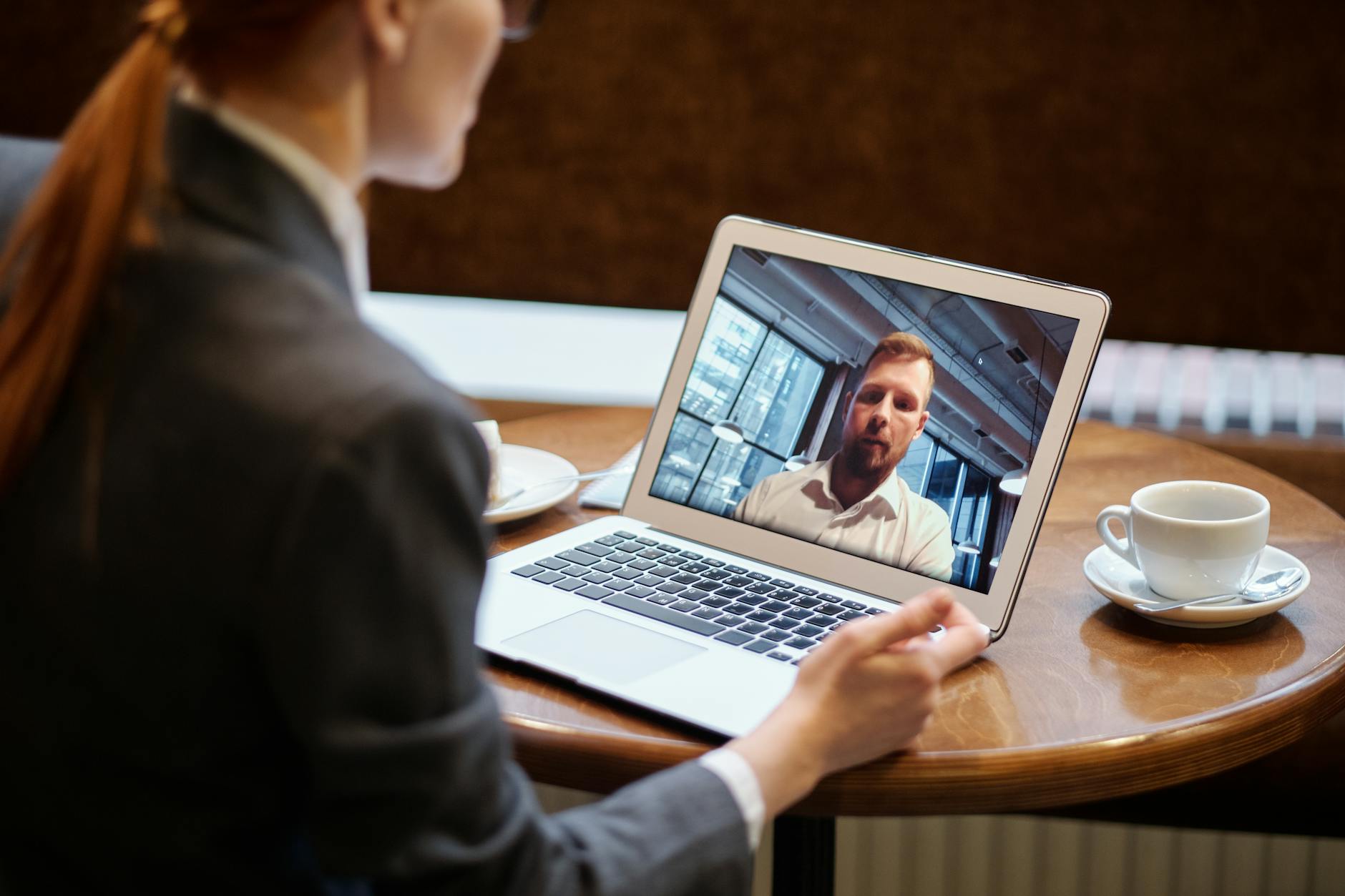
FaZe Clan’s Counter-Strike division operates entirely remotely, with players based across different countries. Their success at recent tournaments demonstrates that geographic separation doesn’t necessarily hinder competitive performance. The team uses custom-built practice servers and daily video review sessions to maintain coordination.
Several organizations are investing heavily in remote training technology rather than physical facilities. This includes specialized coaching software, enhanced streaming setups for content creation, and stipends for players to create optimal home practice environments.
The COVID-19 pandemic accelerated this technological adoption, proving that teams could maintain competitive standards while practicing separately. Many organizations discovered their players performed better with proper sleep schedules and personal space.
Economic Realities Drive Strategic Changes
Gaming houses represent significant ongoing expenses that many organizations are questioning in today’s competitive landscape. Rent, utilities, food, cleaning services, and facility management costs can easily exceed six figures annually for a single team house.
These overhead costs become particularly problematic when weighed against uncertain tournament earnings and shifting sponsorship markets. Organizations are redirecting gaming house budgets toward player salaries, coaching staff, and performance analysis tools that provide more measurable returns on investment.
The rise of content creation as a revenue stream also factors into this calculation. Players who live independently can develop personal brands and streaming careers more effectively than those confined to shared team spaces. This individual content creation often generates more sustainable income than tournament winnings alone.
Some teams are adopting “bootcamp” models instead, renting temporary facilities before major tournaments while allowing players to live independently during regular seasons. This approach provides intensive preparation when needed without the year-round commitment of permanent gaming houses.
Regional Training Centers Replace Full-Time Housing
Rather than eliminating shared practice spaces entirely, several organizations are establishing regional training centers that players visit for scheduled sessions. These facilities offer high-end gaming equipment and coaching resources without requiring residential arrangements.
TSM operates multiple training centers across North America where players can access professional-grade practice environments while maintaining separate living situations. This model provides the technical benefits of centralized training without the social pressure of constant cohabitation.
The Future of Professional Gaming Preparation
As esports continues maturing as an industry, training methodologies are evolving beyond the early gaming house experiments. The most successful organizations are those adapting their infrastructure to support player longevity and sustainable performance rather than maximizing short-term practice hours.
This transition reflects broader changes in how society understands workplace wellness and professional development. Just as traditional sports have moved away from military-style training camps, competitive gaming is embracing more nuanced approaches to player development and team building.
The organizations making this shift successfully are those investing in comprehensive support systems: mental health resources, career development programs, and flexible training schedules that accommodate individual player needs while maintaining competitive standards.
Frequently Asked Questions
Why are esports teams closing their gaming houses?
Teams cite player mental health concerns, high operational costs, and improved remote training technology as primary reasons for moving away from shared living facilities.
Do gaming houses actually help team performance?
Recent evidence suggests players perform better with proper work-life balance and personal space rather than constant proximity to teammates and practice environments.