



Nintendo’s refurbished console program has quietly become one of gaming’s most successful secondary markets. While competitors struggle with trade-in programs and certified pre-owned initiatives, Nintendo’s official refurbished units are flying off digital shelves faster than many new releases.
The numbers tell a compelling story. Nintendo’s refurbished Switch consoles consistently sell out within hours of restocking, often outpacing demand for brand-new units during non-holiday periods. This phenomenon has caught industry analysts by surprise, particularly as refurbished electronics typically face consumer skepticism about quality and longevity.
The Quality Advantage That Changes Everything
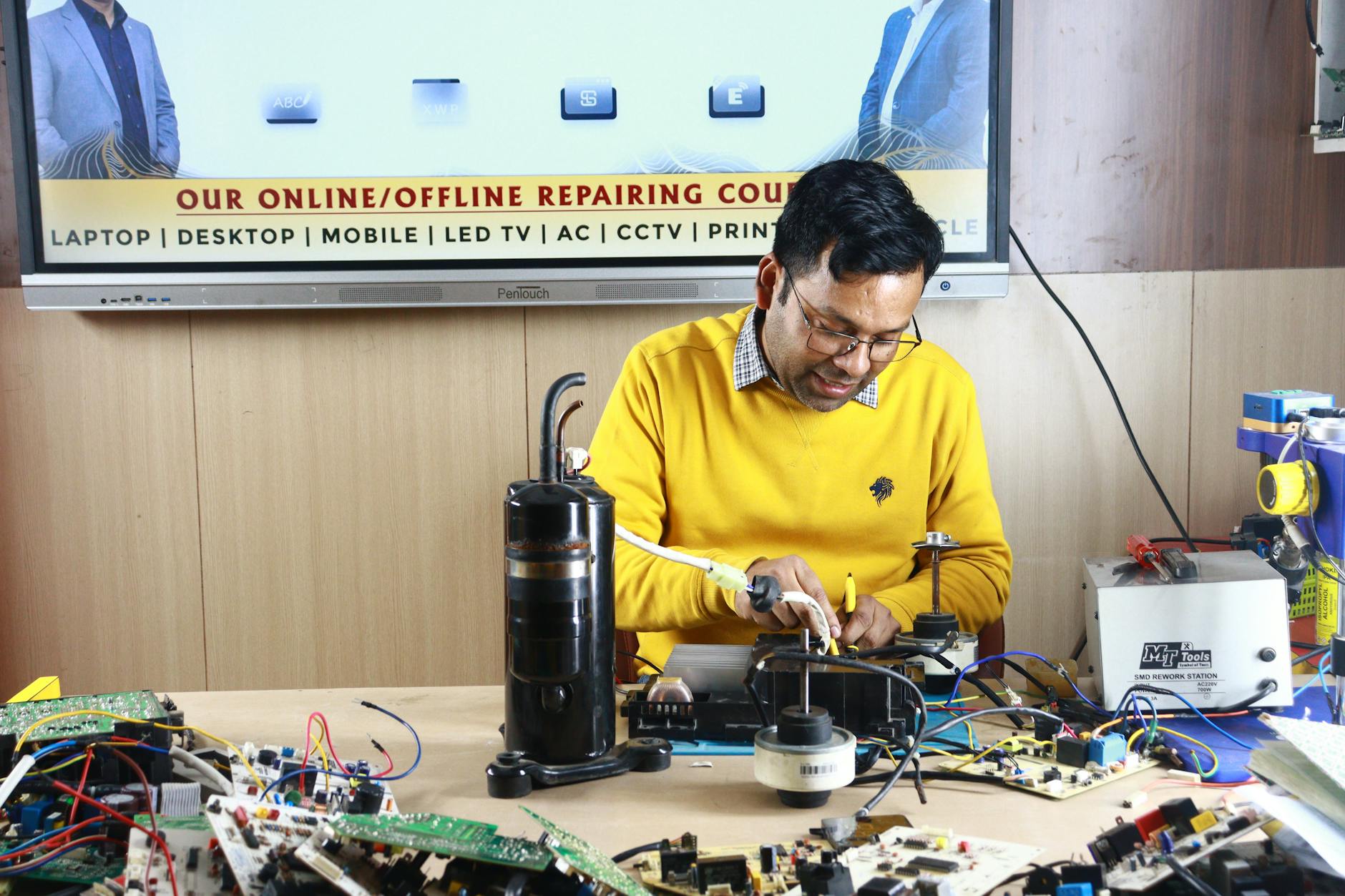
Nintendo’s refurbishment process sets a new standard for pre-owned gaming hardware. Each returned console undergoes a comprehensive 47-point inspection that exceeds the quality checks applied to new units leaving the factory. Technicians replace worn components, update system software, and perform stress tests that can identify potential failures before they reach consumers.
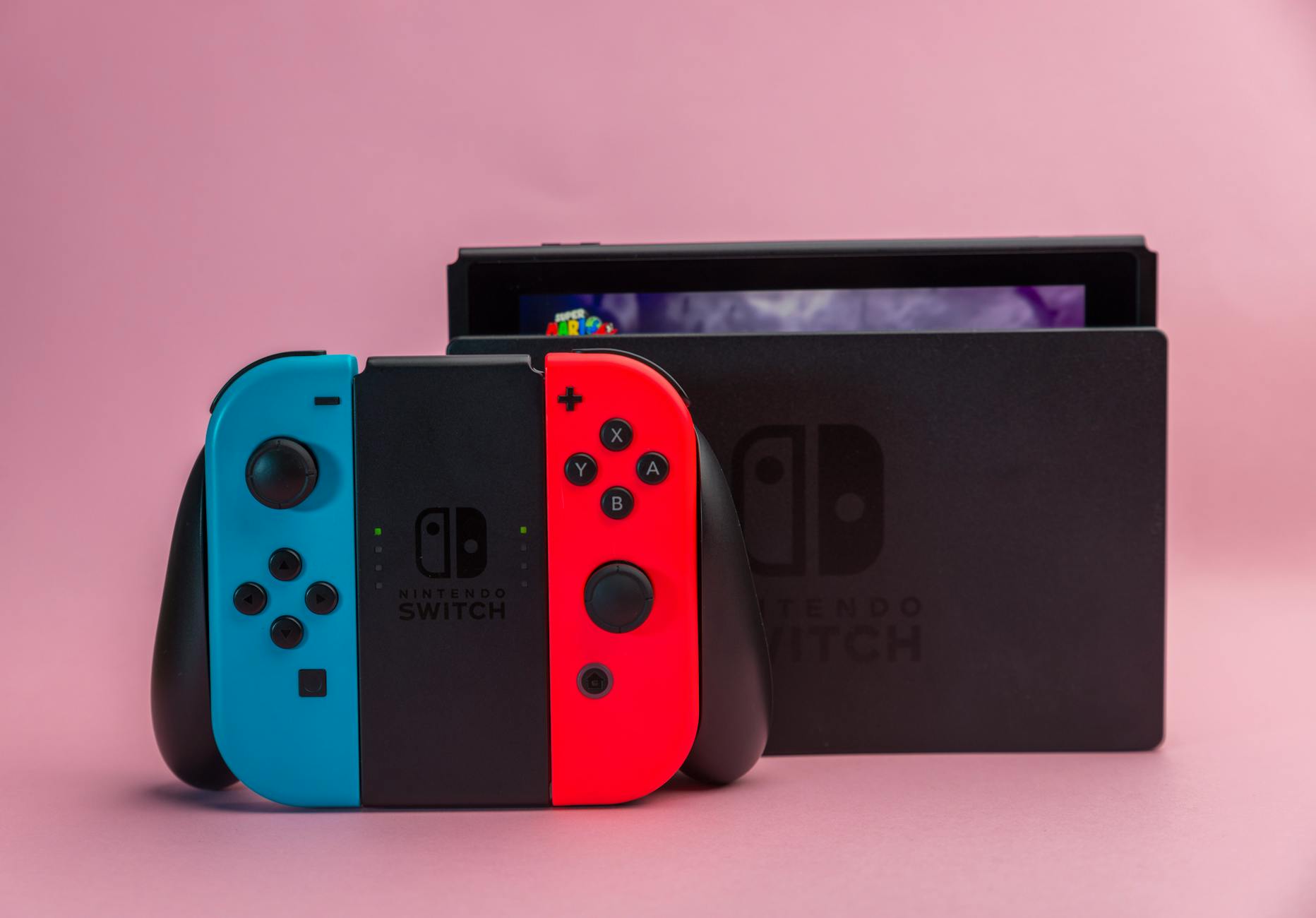
The company’s approach differs significantly from typical refurbishment programs. Rather than simply cleaning and repackaging returned items, Nintendo strips each console down to its core components. Joysticks showing even minimal drift get replaced entirely. Screens with microscopic scratches receive new panels. Battery performance gets tested under extreme conditions, with any unit showing degradation receiving fresh cells.
This meticulous process creates refurbished units that often perform better than their original counterparts. Internal testing reportedly shows refurbished Switch consoles have lower failure rates during their first year compared to brand-new units, largely because potential defects get caught and corrected during the refurbishment process.
Customer testimonials consistently praise the “like-new” condition of refurbished Nintendo hardware. Many buyers report being unable to distinguish their refurbished console from a factory-fresh unit, with some noting improved Joy-Con responsiveness compared to their previous new purchases.
Pricing Strategy That Disrupts the Market
Nintendo’s refurbished pricing creates an irresistible value proposition without cannibalizing new sales. Refurbished Switch consoles typically retail for $30-50 less than new units, a modest discount that positions them as premium pre-owned options rather than budget alternatives.
This pricing strategy accomplishes two critical goals. First, it maintains Nintendo’s brand premium while making the Switch accessible to price-conscious consumers. Second, it creates a clear hierarchy where refurbished units serve as stepping stones rather than direct competitors to new consoles.
The limited availability adds urgency that drives immediate purchases. Nintendo releases refurbished stock in small batches, creating scarcity that generates buzz on gaming forums and social media. This artificial constraint turns refurbished releases into events, with enthusiasts monitoring restock notifications like limited edition launches.
Retailers have taken notice of this demand pattern. Major chains now highlight Nintendo refurbished availability in their gaming newsletters, treating these restocks as newsworthy events rather than routine inventory updates.
Environmental Impact Drives Consumer Appeal
Nintendo’s refurbishment program taps into growing environmental consciousness among gamers. The gaming industry faces increasing scrutiny over electronic waste, with console hardware representing a significant portion of tech landfill contributions. Nintendo’s program directly addresses these concerns by extending hardware lifecycles and reducing manufacturing demand.
Environmental benefits extend beyond waste reduction. Each refurbished console represents avoided manufacturing emissions, packaging waste, and shipping impacts associated with new production. Nintendo estimates that refurbishing a returned console produces approximately 70% fewer carbon emissions compared to manufacturing a replacement unit.
This sustainability angle resonates particularly strongly with younger consumers who prioritize environmental responsibility in purchasing decisions. Gaming forums increasingly feature discussions about the environmental benefits of choosing refurbished hardware, with many users viewing it as a form of ethical consumption.
The program also demonstrates corporate responsibility that enhances Nintendo’s brand reputation. While competitors face criticism over planned obsolescence and wasteful practices, Nintendo’s commitment to refurbishment positions the company as environmentally progressive within the gaming industry.
Impact on Retail Partnerships and Industry Trends
The success of Nintendo’s refurbished program is reshaping retail relationships throughout the gaming industry. Traditional retailers initially viewed certified pre-owned programs as margin-killing necessities, but Nintendo’s model demonstrates how refurbishment can generate profitable secondary revenue streams.
GameStop has reported that Nintendo refurbished consoles generate higher profit margins than many new hardware sales, despite lower absolute prices. The reduced wholesale costs combined with consistent demand create attractive unit economics that benefit both Nintendo and retail partners.
This success has influenced other console manufacturers to reconsider their approach to returned and traded hardware. Sony recently expanded its certified pre-owned PlayStation program, while Microsoft has quietly increased refurbished Xbox availability through select retailers.
The program also impacts third-party publishers who are embracing Nintendo’s cartridge format, as refurbished console sales drive continued software demand without requiring new hardware manufacturing costs.
Industry analysts predict that successful refurbishment programs will become standard practice across consumer electronics, with Nintendo’s gaming-focused approach serving as a template for sustainable business practices in technology sectors.

Looking Forward: The Future of Sustainable Gaming
Nintendo’s refurbished program success signals a broader shift toward circular economy principles in gaming hardware. As environmental regulations tighten and consumer awareness grows, the ability to effectively refurbish and resell hardware becomes a competitive advantage rather than just a cost center.
The program’s impact extends beyond immediate sales figures. By demonstrating that refurbished electronics can command premium prices and generate customer loyalty, Nintendo has created a blueprint for sustainable business practices that benefit both profitability and environmental responsibility.
Future console generations will likely incorporate design elements that facilitate refurbishment, from modular components to standardized repair procedures. This shift toward repairability represents a fundamental change in how gaming hardware gets conceived and manufactured.
As Nintendo continues expanding its refurbishment capabilities and other manufacturers follow suit, the gaming industry moves closer to a sustainable model where hardware lifecycles extend far beyond initial sales, creating value for consumers, retailers, and the environment while maintaining the innovation that drives the gaming forward.
Frequently Asked Questions
How does Nintendo’s refurbishment process work?
Each console undergoes a 47-point inspection with component replacement and stress testing that exceeds new unit quality checks.
Why are refurbished Nintendo consoles selling so well?
Superior quality control, modest pricing, environmental appeal, and limited availability create high demand that often outpaces new console sales.