




The Audio Revolution Hits Gaming
Major streaming platforms are making a dramatic pivot that’s reshaping how gaming content reaches audiences. Netflix, Amazon Prime Video, and Disney+ have quietly launched dedicated podcast networks focused exclusively on gaming culture, industry news, and player communities. This shift represents more than just content diversification – it’s a strategic response to changing audience habits and the explosive growth of gaming as mainstream entertainment.
The numbers tell a compelling story. Audio content consumption has surged 40% among gamers aged 18-34, while traditional gaming video viewership has plateaued. Streamers are recognizing that podcast format offers something video cannot: portability, intimacy, and the ability to reach audiences during commutes, workouts, and multitasking moments when screens aren’t practical.
Following the Money and the Audience
The economics driving this shift are impossible to ignore. Podcast production costs roughly one-tenth of video content while generating comparable advertising revenue per listener. Major brands like Red Bull, Razer, and Samsung have redirected substantial marketing budgets toward gaming podcast sponsorships, recognizing the format’s ability to create deeper brand connections.
Netflix’s gaming podcast division, launched six months ago, already hosts 15 shows covering everything from indie game development to esports analysis. Amazon’s approach focuses heavily on integration with Prime Gaming benefits, offering exclusive podcast content to subscribers while promoting upcoming game releases through audio storytelling formats.
Disney+ has taken perhaps the most ambitious approach, creating narrative podcast series that expand the lore of popular gaming franchises. Their recent collaboration with Epic Games produced an eight-episode series exploring Fortnite’s evolving storyline, reaching 2.3 million downloads in its first month.
The audience migration is evident in engagement metrics. Traditional gaming streams on Twitch and YouTube face increasing competition as viewers split attention between multiple content types. Twitch streamers are moving to YouTube Gaming for better revenue splits, but many are also launching complementary podcast content to maintain audience connection during off-stream hours.
Content Strategy and Format Innovation
These gaming-focused podcast networks aren’t simply repurposing existing content. They’re developing original formats specifically designed for audio consumption. Interview-style shows feature game developers discussing creative processes, while news roundup podcasts deliver weekly industry updates in digestible segments.
Amazon’s most successful format combines live commentary during major gaming events with post-event analysis. Their coverage of The Game Awards generated more podcast downloads than their traditional video stream viewership, signaling a fundamental shift in how audiences consume gaming content.
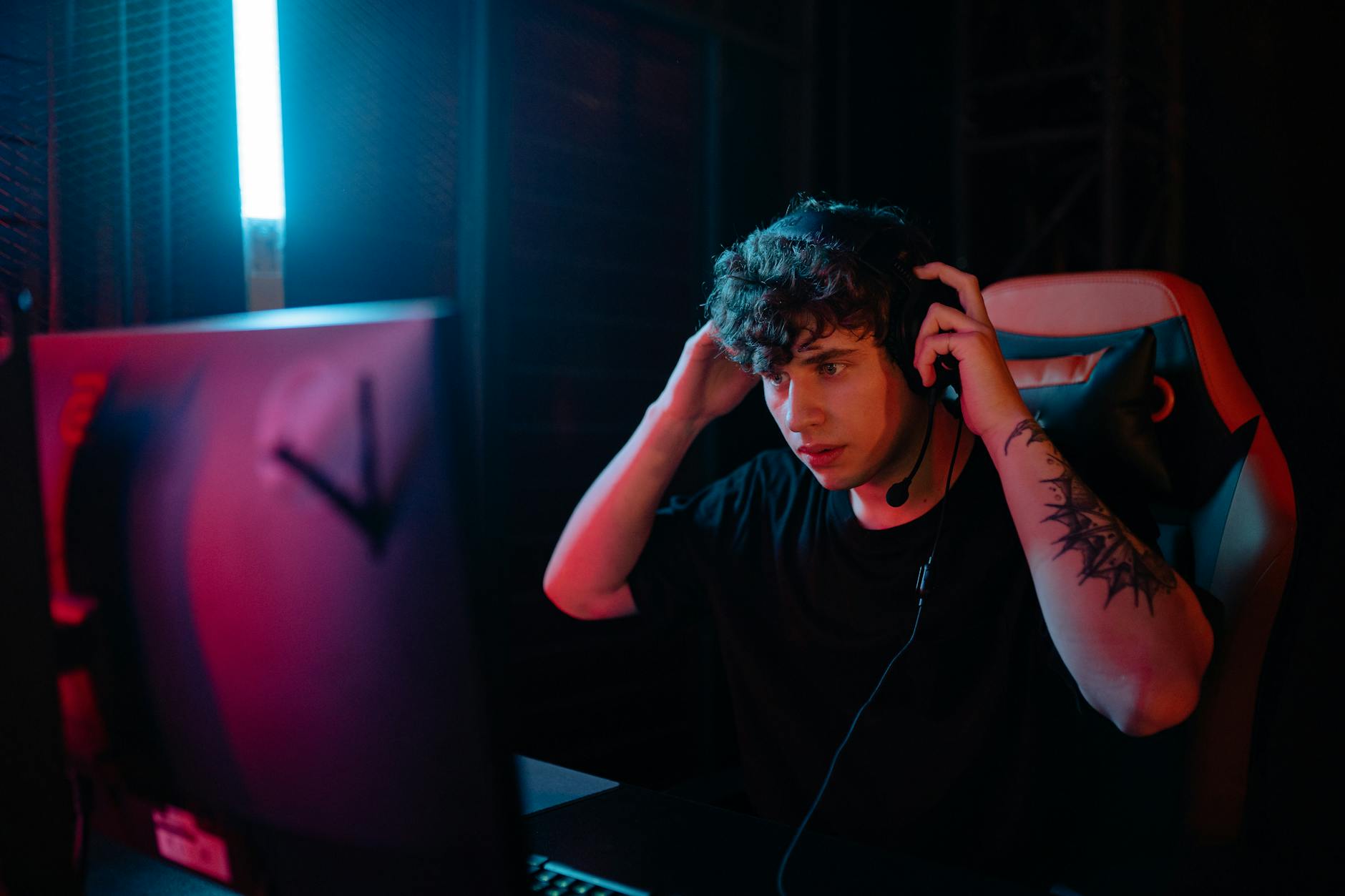
Netflix has pioneered what they call “second-screen podcasts” – audio content designed to accompany gaming sessions. Players can listen to lore discussions, strategy tips, or community conversations while playing, creating a multi-layered entertainment experience that traditional video streaming cannot match.
The technical infrastructure supporting these networks represents significant investment. Custom apps provide seamless integration with gaming platforms, allowing listeners to queue podcast episodes directly from game menus or streaming interfaces. Voice activation features enable hands-free control during gameplay, addressing the unique needs of gaming audiences.
Content creators are adapting their skills to this new medium. Popular gaming YouTubers and Twitch personalities are learning podcast production techniques, while traditional radio personalities are entering the gaming space with fresh perspectives on industry coverage.
Industry Implications and Competitive Response
The streaming giants’ podcast expansion is forcing traditional gaming media to reconsider their content strategies. Gaming websites and YouTube channels now compete with well-funded podcast networks that can offer exclusive interviews, behind-the-scenes access, and high-production-value content.
Spotify has responded by aggressively courting gaming podcast creators with lucrative exclusivity deals. Their gaming content library has tripled in the past year, featuring everything from casual gaming discussions to technical deep-dives on game development processes.
Apple Podcasts launched a dedicated gaming section, curating content across multiple categories while promoting original programming from established gaming personalities. Google Podcasts integrated gaming podcast recommendations directly into YouTube Gaming, creating cross-platform content discovery opportunities.
The ripple effects extend beyond content creation. Advertising agencies are restructuring gaming marketing campaigns to include podcast placements alongside traditional video sponsorships. Game publishers are developing audio-first marketing strategies, recognizing podcasts’ ability to reach engaged audiences in contexts where video advertising isn’t feasible.
The Future of Gaming Audio Content
This podcast network expansion represents the early stages of a broader transformation in gaming content consumption. Interactive podcast features are in development, allowing listeners to influence show direction through real-time feedback and voting mechanisms. Integration with virtual reality platforms could create immersive audio experiences that blend gaming and podcasting in unprecedented ways.
The success of these gaming-focused podcast networks will ultimately depend on their ability to serve authentic gaming communities while attracting mainstream audiences curious about gaming culture. Early indicators suggest they’re succeeding on both fronts, with gaming enthusiasts appreciating in-depth coverage and casual listeners discovering new interests through accessible podcast formats.
As TikTok gaming content reshapes video game marketing strategies, podcast networks provide another avenue for reaching fragmented audiences across multiple platforms. The companies investing heavily in gaming podcasts today are positioning themselves for a future where audio content plays an increasingly central role in gaming culture and community building.
Frequently Asked Questions
Why are streamers launching gaming podcast networks?
They’re responding to 40% growth in audio consumption among gamers and seeking lower production costs with comparable advertising revenue.
How do gaming podcasts differ from video content?
Podcasts offer portability and intimacy, reaching audiences during commutes and multitasking when screens aren’t practical.