



Gaming podcasts have quietly become entertainment juggernauts, with shows like “The Co-Optional Podcast” and “Giant Bombcast” pulling millions of downloads monthly while traditional radio shows struggle to maintain relevance. What started as niche discussions about pixel art and boss battles has evolved into a media format that’s redefining how audiences consume entertainment content.
The numbers tell a compelling story. Gaming podcasts now account for roughly 15% of all podcast listening time, according to recent industry reports, while traditional entertainment radio shows have seen their audience share drop by nearly 30% over the past three years. This shift represents more than just changing consumer preferences – it signals a fundamental transformation in how entertainment content connects with modern audiences.
The Authenticity Factor: Real Voices in an Artificial World
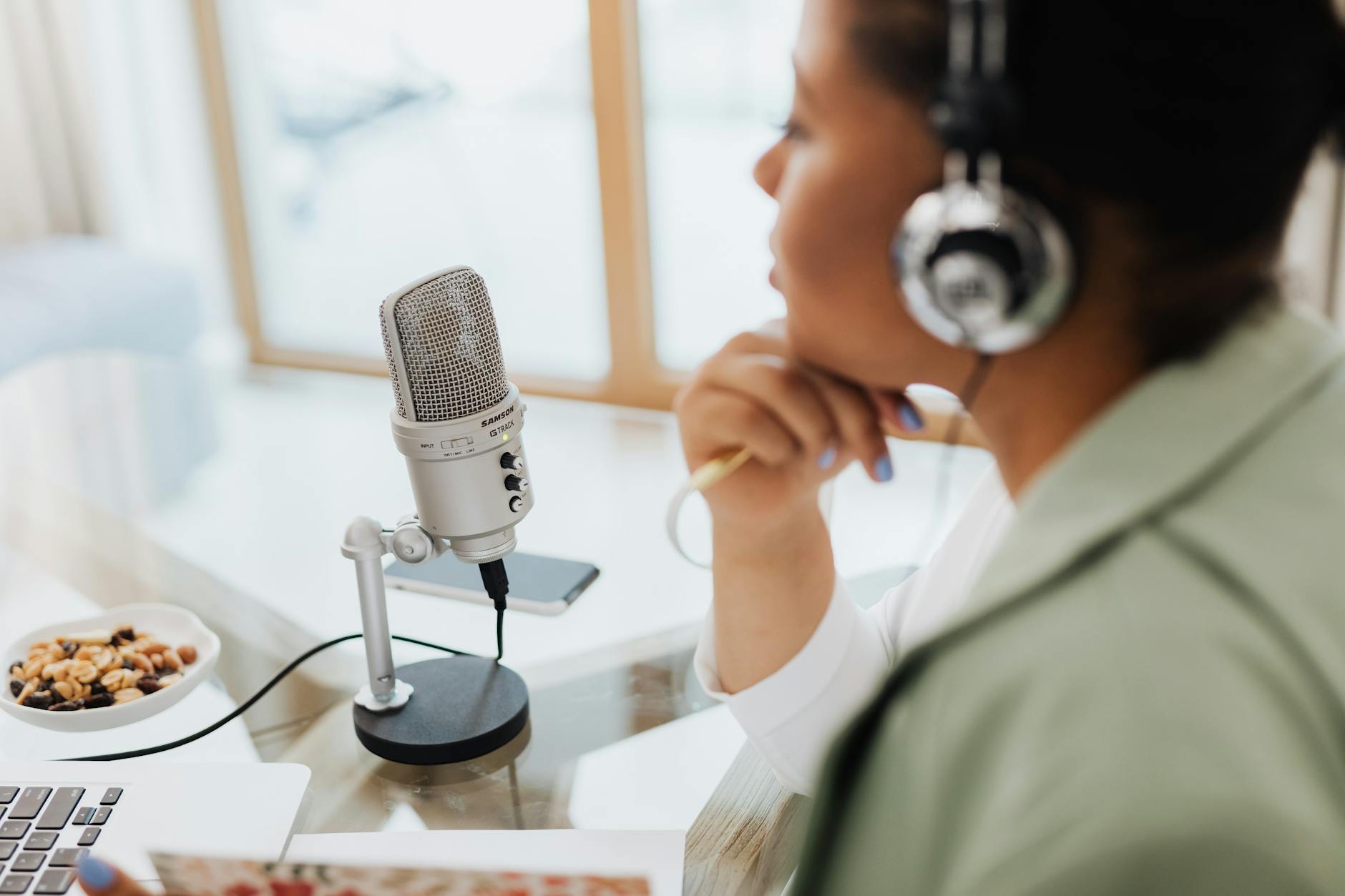
Gaming podcasts thrive on unfiltered conversations that traditional entertainment shows often lack. When hosts like Austin Walker discuss the narrative complexities of “The Last of Us Part II” or analyze the cultural impact of “Hades,” they’re not reading from corporate-approved scripts. These conversations feel like listening to friends debate over coffee, complete with tangents, passionate disagreements, and genuine excitement about obscure indie titles.
Traditional entertainment shows, bound by network standards and advertiser concerns, often feel sanitized by comparison. The carefully orchestrated segments, celebrity interviews that follow predictable patterns, and commercial breaks that interrupt natural conversation flow create barriers between hosts and audiences that gaming podcasts simply don’t have.
This authenticity extends to how gaming podcasts handle criticism. When a highly anticipated game disappoints, podcast hosts don’t hesitate to express their honest opinions, even if it means criticizing major publishers or beloved franchises. Traditional entertainment shows, often dependent on maintaining relationships with studios and publicists, rarely offer such candid perspectives on the entertainment industry.
The format itself encourages deeper discussions. A gaming podcast can spend forty minutes dissecting the environmental storytelling in “Hollow Knight” or debating the ethics of microtransactions in competitive games. Traditional entertainment shows, constrained by rigid time slots and commercial requirements, rarely allow for such thorough exploration of topics.
Community Building Beyond the Microphone
Gaming podcasts have mastered the art of community engagement in ways that traditional entertainment shows struggle to replicate. Discord servers, subreddit communities, and live streaming events create ongoing relationships between hosts and listeners that extend far beyond the weekly episode release.
Shows like “My Brother, My Brother and Me” have built massive fan communities that create fan art, organize meetups, and develop inside jokes that span years of content. This level of audience investment is rare in traditional entertainment, where listener engagement typically peaks during the broadcast and fades quickly afterward.
The interactive nature of gaming culture naturally lends itself to this community building. Listeners share screenshots, discuss strategies, and debate game theories in ways that create ongoing conversations around podcast content. Traditional entertainment shows, focused on celebrities and industry news, rarely generate the same level of sustained audience participation.
Flexible Formats Meet Modern Consumption Habits
Gaming podcasts have embraced format flexibility that traditional entertainment shows, bound by decades of broadcasting conventions, find difficult to match. Episodes can run anywhere from thirty minutes to four hours, depending on the topic and audience interest. This adaptability aligns perfectly with modern consumption habits where listeners want control over their entertainment experience.
The rise of platforms like YouTube Gaming’s Creator Fund has further empowered podcast creators to experiment with multimedia formats, combining traditional audio content with gameplay footage, live reactions, and visual elements that traditional radio shows cannot easily incorporate.
Gaming podcasts also excel at creating evergreen content. A discussion about game design philosophy or analysis of classic titles remains relevant for years, unlike entertainment news that becomes outdated within days. This longevity creates sustainable audience growth as new listeners can dive into extensive back catalogs and find content that feels fresh and relevant.
The episodic nature of gaming content – from weekly game releases to seasonal content updates – provides a natural rhythm for podcast content that traditional entertainment shows often lack. Gaming podcasts can build anticipation around major game launches, provide ongoing coverage of evolving titles, and create series-based content that keeps audiences returning regularly.
The Economics of Independence
Gaming podcasts operate on economic models that traditional entertainment shows increasingly envy. Direct audience support through platforms like Patreon, merchandise sales, and targeted advertising partnerships create revenue streams that don’t depend on traditional broadcasting infrastructure or network approval.
This financial independence allows gaming podcasts to take creative risks and pursue niche topics that might not attract mainstream audiences but deeply engage specific gaming communities. A podcast focused entirely on indie horror games or retro arcade preservation can find sufficient audience support to remain sustainable, something that would be impossible in traditional broadcasting with its broad demographic requirements.
The production costs for gaming podcasts remain relatively low compared to traditional entertainment shows. Without studio rental fees, union requirements, or expensive equipment needs, gaming podcasts can achieve professional quality with minimal investment, allowing creators to focus resources on content quality rather than production overhead.
Looking Forward: The New Entertainment Landscape
The success of gaming podcasts reflects broader changes in how audiences discover and consume entertainment content. As streaming services fragment traditional media consumption and social media creates more direct creator-audience relationships, the podcast format offers a sustainable middle ground that combines accessibility with depth.
Traditional entertainment shows are beginning to adapt, with some incorporating gaming discussions or adopting more conversational formats. However, their institutional constraints and established audience expectations make rapid transformation challenging.
Gaming podcasts will likely continue expanding their influence as gaming culture becomes increasingly mainstream. With major entertainment companies investing heavily in gaming properties and gaming becoming a central social activity for Gen Z, the expertise and community connections that gaming podcasts have built position them perfectly for continued growth.
The entertainment industry’s future may well belong to formats that prioritize authentic voices, community engagement, and flexible content delivery – all areas where gaming podcasts have already established clear advantages over their traditional counterparts.
Frequently Asked Questions
Why are gaming podcasts more popular than traditional entertainment shows?
Gaming podcasts offer authentic conversations, stronger community engagement, and flexible formats that better match modern consumption habits.
How do gaming podcasts build stronger communities than traditional shows?
Through Discord servers, Reddit communities, and interactive content that creates ongoing relationships between hosts and listeners beyond weekly episodes.