



A Tiered System That Punishes the Wrong Players
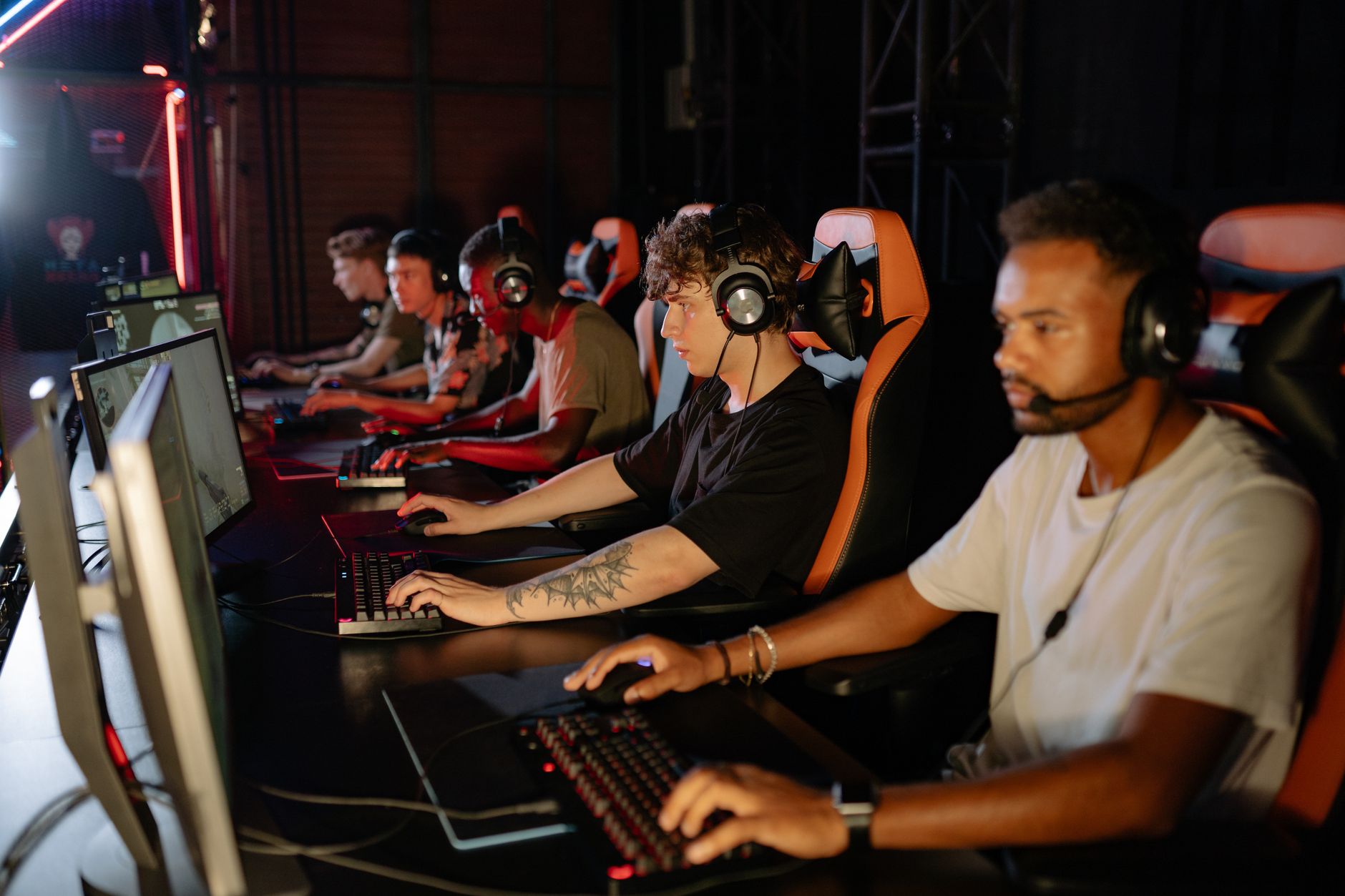
Nintendo’s Switch 2 online subscription structure was always going to draw scrutiny. The original Switch’s Nintendo Switch Online service was widely criticized for years – slow rollout of retro titles, inconsistent cloud saves, and a multiplayer infrastructure that felt like an afterthought compared to PlayStation Network or Xbox Live. When Nintendo announced the Switch 2 alongside a revised online tier model, there was cautious hope that things had changed. That hope is already curdling for a specific group of players: the ones who take competitive gaming seriously.
The frustration isn’t about price exactly, though price is part of it. It’s about what features Nintendo has chosen to lock behind its higher-cost tiers and whether those decisions reflect any real understanding of what competitive players need from an online service. For casual gamers picking up Mario Kart World on weekends, the current setup probably feels fine. For players grinding ranked modes, participating in tournaments, or trying to maintain consistent online performance, the tier gap is a structural problem, not just an inconvenience.
What the Tiers Actually Offer
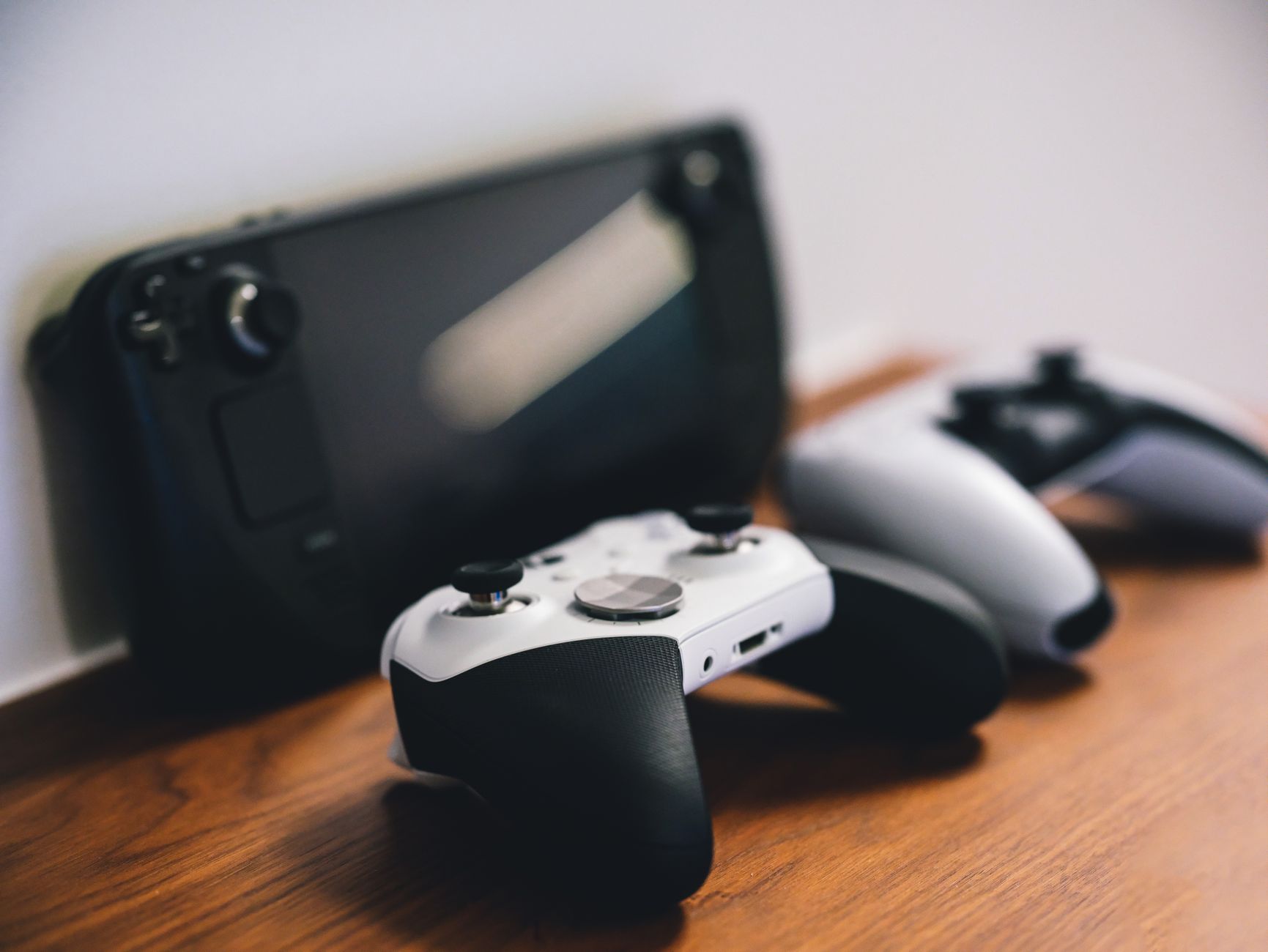
Nintendo Switch Online for Switch 2 continues the tiered model established in the later years of the original Switch. The base tier covers standard online multiplayer, access to a library of classic games, and cloud backup for supported titles. The higher “Expansion Pack” tier adds Nintendo 64 and Sega Genesis titles, DLC packs for select first-party games, and, critically for this discussion, additional features tied to Switch 2-specific hardware capabilities. The price jump between tiers is steep relative to what the base tier actually delivers.
What the base tier still doesn’t reliably address is the infrastructure that competitive players depend on. Voice chat remains routed through the Nintendo Switch Online app rather than being natively integrated into the console in any meaningful way. Detailed match statistics, replay storage beyond basic functionality, and priority server access – features that competing platforms treat as baseline online services – either don’t exist or sit gated behind premium pricing. Asking players to pay more to access tools that help them play at a high level is a recurring Nintendo pattern, and it has followed the hardware upgrade without correction.
There’s also the issue of rollout timing. Several features advertised as part of the Switch 2 online experience weren’t available at launch and are being introduced gradually. For a competitive player trying to build a practice routine around a specific game’s ranked or tournament infrastructure, a feature arriving “later this year” is not a feature that exists yet. The gap between what was marketed and what is currently functional adds an extra layer of frustration on top of the structural tier problem.
Why Competitive Players Feel the Gap Most
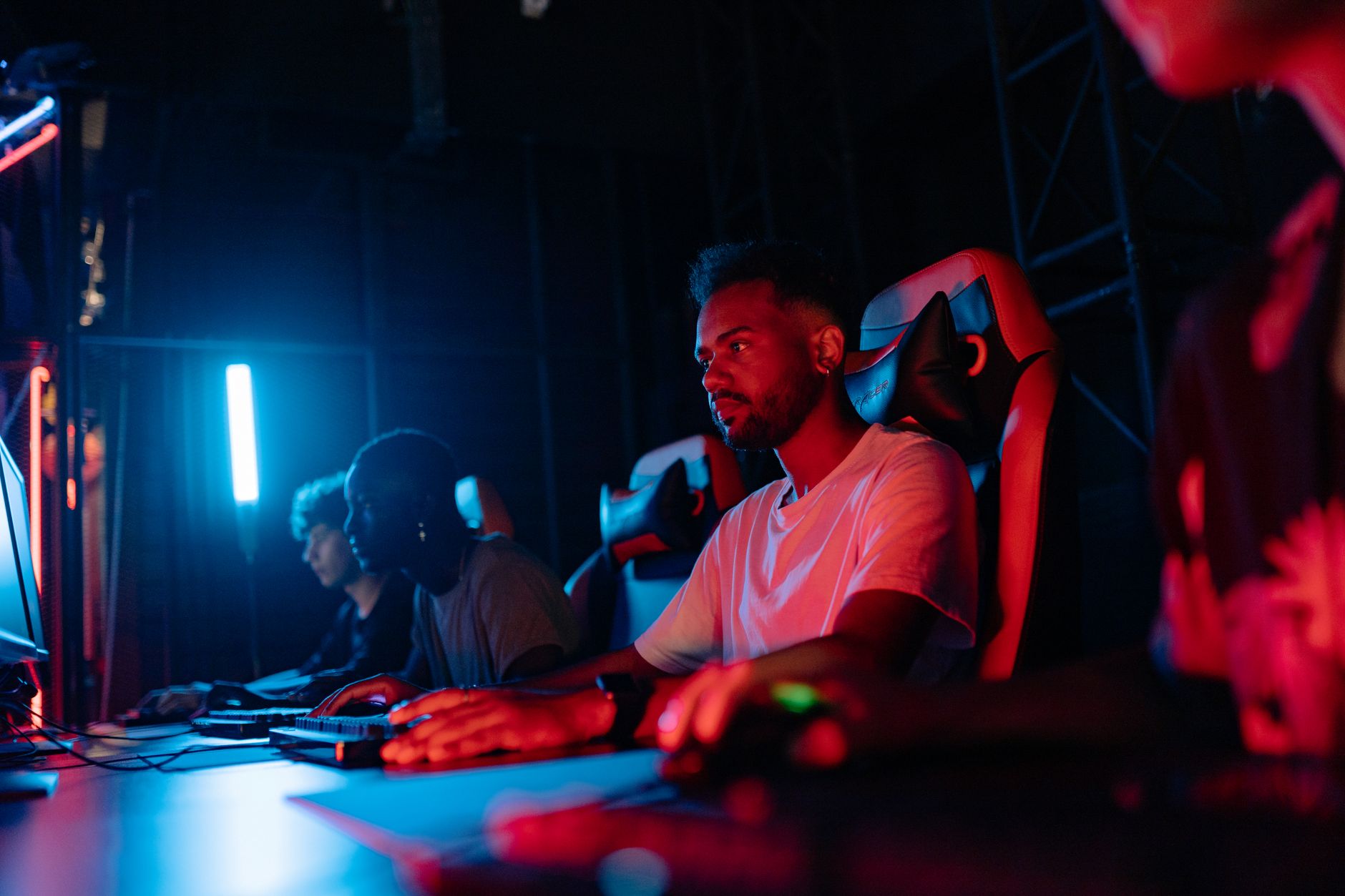
Casual multiplayer and competitive multiplayer ask fundamentally different things from an online service. A casual player drops into a game, has fun, and doesn’t track whether their match data was preserved. A competitive player needs stable connections, consistent latency, matchmaking that actually accounts for skill level, and access to performance data that helps them improve. Nintendo’s infrastructure, even on Switch 2, still prioritizes the former audience almost exclusively.
The peer-to-peer connection model that Nintendo relies on for many of its titles is particularly painful for this group. When match quality depends on which player is hosting – or on routing that doesn’t prioritize low latency – ranked play becomes a lottery. Losing a ranked match because of connection issues rather than skill is demoralizing in any competitive game, but it’s especially frustrating when the platform charges a subscription fee that ostensibly covers online access. Higher-tier subscribers on other platforms get dedicated server access for major titles as a baseline expectation. Switch 2 players are paying more and still rolling the dice.
The games themselves deserve some of this blame. Nintendo’s first-party titles like Mario Kart World and Nintendo Switch Sports aren’t built around deep competitive infrastructure regardless of subscription tier. But third-party competitive titles that land on Switch 2 – fighting games, shooters, sports titles – inherit platform-level limitations that no developer patch can fully compensate for. A fighting game with frame-perfect inputs and a dedicated competitive community needs rollback netcode and stable server connections. The subscription tier gap becomes a ceiling that caps how seriously the platform can be taken in competitive spaces.
There’s a broader question here about whether Nintendo wants competitive players at all. The company has historically treated esports and high-level competitive play as communities it acknowledges without actively supporting. The Super Smash Bros. Melee competitive scene famously operated for years despite Nintendo’s indifference or outright resistance, not because of any platform-level support. Switch 2’s tiered online structure doesn’t fix that relationship – and for players who were hoping the new hardware generation would finally bring Nintendo’s online infrastructure closer to modern standards, the tier gap is a signal that the platform’s priorities haven’t moved much. Whether a mid-generation service update changes that calculus is the question competitive players are watching very carefully right now.