



Gaming PCs are getting a surprising makeover, and the data from Steam’s latest Hardware and Software Survey paints a picture that challenges conventional wisdom about high-end gaming rigs. While enthusiasts debate the merits of bleeding-edge graphics cards and liquid cooling systems, millions of Steam users are quietly embracing a different philosophy: practical performance over premium parts.
The October 2024 survey, which captures hardware statistics from Steam’s massive user base of over 130 million active players, reveals fascinating shifts in how gamers actually build their systems. Far from the RGB-laden monsters showcased in YouTube builds, real-world gaming PCs reflect budget-conscious choices, energy efficiency concerns, and a growing appreciation for “good enough” performance.
Mid-Range Graphics Cards Dominate the Leaderboard
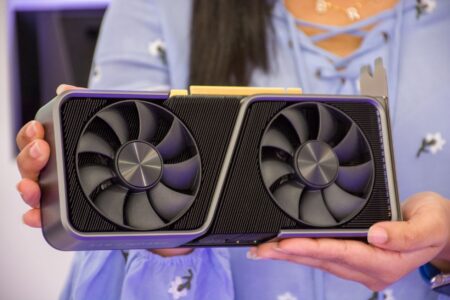
The most striking revelation from Steam’s data involves graphics card adoption. The NVIDIA GeForce GTX 1060, a card released in 2016, continues to hold significant market share despite being several generations old. More surprisingly, RTX 3060 and RTX 4060 cards are gaining ground faster than their higher-tier siblings.
This trend reflects a fundamental shift in gaming priorities. With most popular games on Steam targeting 1080p resolution at 60fps, the ultra-high-end cards designed for 4K gaming at maximum settings represent overkill for the average player. The RTX 4090, despite its technical supremacy, accounts for less than 2% of Steam users, while mid-range options claim the majority.
AMD’s market position shows interesting patterns too. While their high-end RX 7900 series struggles against NVIDIA’s flagship offerings, AMD’s budget and mid-range cards are carving out respectable niches. The RX 6600 and RX 6700 series show steady adoption rates, particularly among users who prioritize value per dollar over absolute performance.
This data suggests that the gaming community has matured beyond the “bigger is better” mentality. Gamers are making informed decisions based on their actual gaming habits rather than theoretical benchmarks.
Memory Wars: 16GB Becomes the New Standard
RAM configurations tell another compelling story. The survey shows 16GB of system memory has reached critical mass, representing nearly half of all Steam users. This represents a significant jump from just three years ago, when 8GB dominated the landscape.
The shift toward 16GB reflects both falling memory prices and the increasing demands of modern games. Titles like Cyberpunk 2077, Microsoft Flight Simulator, and even competitive games like Valorant benefit from additional memory headroom. However, the adoption curve stops there for most users. 32GB configurations remain relatively rare, suggesting most gamers have found their sweet spot.
DDR4 memory still commands the majority share, despite DDR5 being available for over two years. This lag illustrates how platform upgrades happen gradually in the PC gaming ecosystem. Users typically upgrade their graphics cards and storage first, leaving memory and motherboard upgrades for complete system refreshes.
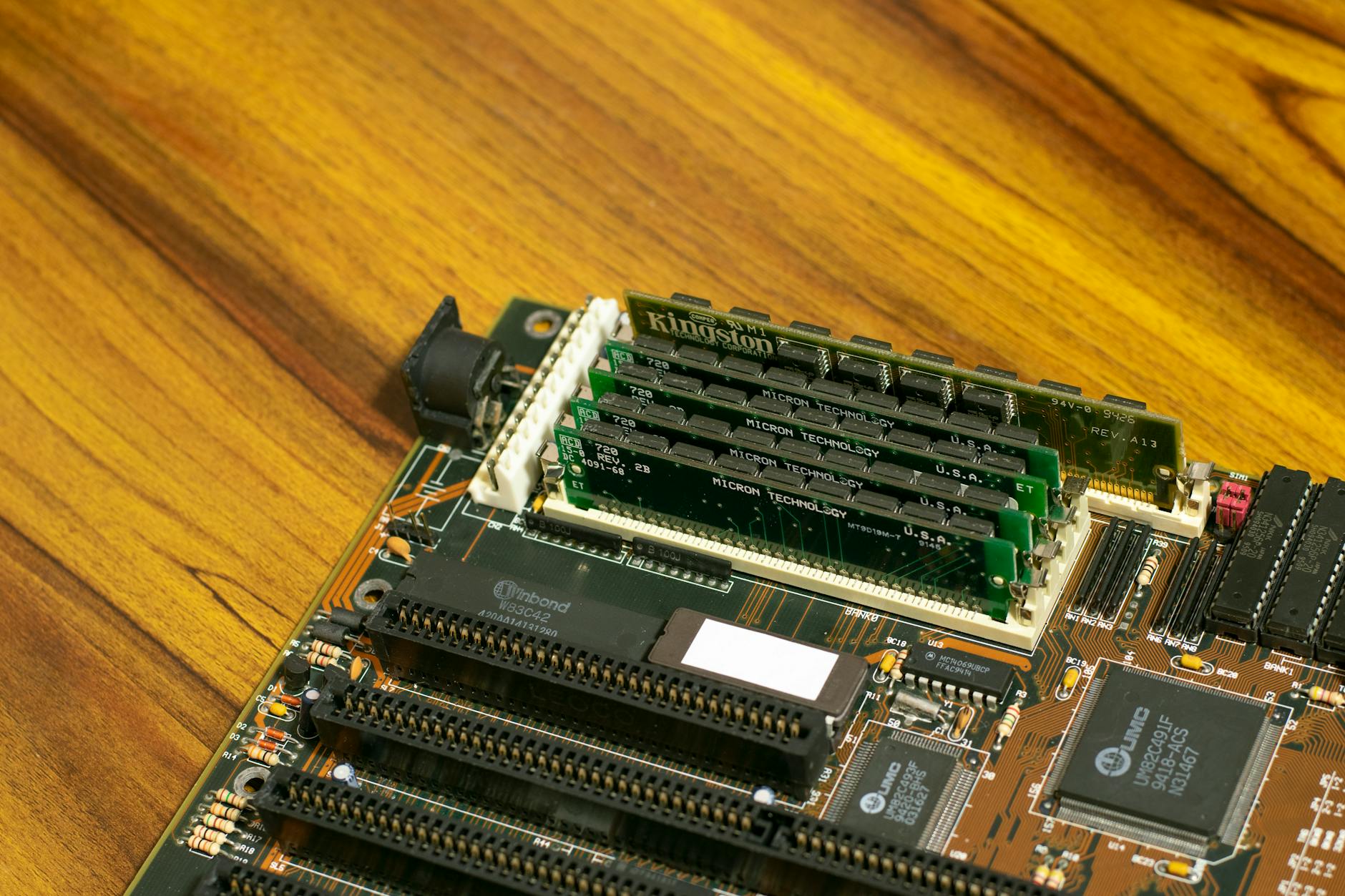
The memory speed data reveals another practical trend. While enthusiast forums obsess over memory timing and overclocking, most Steam users run standard JEDEC specifications. High-speed memory kits above 3200MHz remain niche purchases, reinforcing the theme of practical performance over theoretical maximums.
Storage Revolution Continues Its March
Perhaps no component category shows more dramatic change than storage. NVMe SSDs have achieved mainstream adoption faster than any previous storage technology transition. The survey shows traditional hard drives rapidly losing ground, with many users maintaining them only for bulk storage of older games and media files.
The capacity trends are equally telling. 1TB SSDs have become the standard boot drive size, replacing the 256GB and 512GB drives that dominated earlier surveys. This shift enables users to keep their most-played games on fast storage while relegating less frequently accessed titles to secondary drives.
Steam’s own data on game installation patterns supports this trend. Users with NVMe storage show significantly higher engagement with graphically intensive games, suggesting that faster load times genuinely impact gaming behavior. The quality-of-life improvements from eliminating loading screens have proven more valuable than many anticipated.
Interestingly, the survey reveals that hybrid storage configurations are becoming less common. Rather than maintaining complex tiering systems with multiple drive types, users increasingly prefer simple setups with a primary NVMe drive and optional secondary storage for overflow content.
Processor Preferences Shift Toward Efficiency
CPU adoption patterns reveal the most nuanced trends in the entire survey. Intel maintains market leadership, but AMD’s Ryzen processors show strong growth in specific segments. The data suggests that gamers are prioritizing different factors than they did five years ago.
Multi-core performance has gained importance as games increasingly utilize additional cores for physics, AI, and background tasks. However, the survey shows that most users haven’t embraced the highest core count processors available. 8-core and 12-core CPUs represent the current sweet spot, with diminishing returns evident for gaming workloads beyond that point.
Power efficiency appears to influence purchasing decisions more than before. Processors that balance performance with reasonable power consumption show stronger adoption rates than pure performance champions. This trend likely reflects rising energy costs and increased awareness of environmental impact.
The generational upgrade patterns also differ from previous cycles. Users are holding onto processors longer, often upgrading graphics cards two or three times before replacing their CPU and motherboard. This behavior suggests that processor performance has reached a plateau for gaming applications, with other components becoming the primary bottlenecks.
Looking Ahead: Practical Gaming Prevails
Steam’s hardware survey data reveals a gaming community that has matured beyond the enthusiast mindset that dominated PC gaming’s earlier years. Modern gamers make purchasing decisions based on actual performance needs rather than theoretical capabilities or social media influence.
This practical approach extends beyond individual component choices to overall system philosophy. The most popular configurations emphasize reliability, efficiency, and value over absolute performance or aesthetic appeal. RGB lighting and elaborate cooling systems remain niche interests, while silent operation and energy efficiency gain mainstream appreciation.
As Steam continues expanding its ecosystem with new features, these hardware trends will likely influence future game development and platform optimization. Developers who target the actual installed base rather than enthusiast hardware will reach broader audiences and achieve better commercial success.
The survey’s implications extend beyond individual purchasing decisions to industry strategy. Hardware manufacturers who recognize these trends and focus on practical performance over benchmark bragging rights will likely capture larger market shares. The future of PC gaming appears to belong to those who deliver the best experience per dollar rather than the absolute best experience regardless of cost.
Frequently Asked Questions
What graphics card is most popular among Steam users?
Mid-range cards like the GTX 1060 and RTX 3060 dominate Steam’s user base, with high-end cards representing a small minority of users.
How much RAM do most PC gamers have?
16GB has become the new standard, representing nearly half of Steam users, while 32GB configurations remain relatively uncommon.