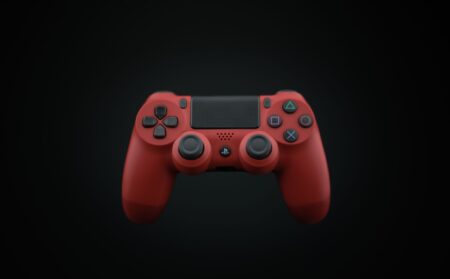




Sony’s strategy for PC gaming has reached a turning point. The company announced that future PlayStation exclusives will launch simultaneously on PC and PlayStation consoles, abandoning the traditional exclusivity window that kept PC players waiting months or years for popular titles.
Breaking the Console Exclusivity Model
The shift represents a dramatic departure from Sony’s historical approach to platform exclusivity. For decades, PlayStation exclusives served as the primary driver for console sales, with titles like “The Last of Us” and “God of War” requiring a PlayStation purchase. Now, Sony plans to release major first-party games on PC through Steam and the Epic Games Store on the same day they arrive on PlayStation 5.
This change affects both new releases and established franchises. Upcoming titles in development will target simultaneous PC and console launches, while some previously announced exclusives may see their PC release dates moved up significantly. The decision extends to both single-player narrative experiences and multiplayer titles, though Sony hasn’t specified which existing exclusives might receive accelerated PC ports.
The timing coincides with Sony’s broader push into PC gaming infrastructure. The company has been steadily building its PC publishing capabilities and has seen strong sales performance from delayed PC releases of PlayStation exclusives. “Horizon Zero Dawn” sold over 2.3 million copies on PC in its first year, while “Days Gone” found new life on Steam despite lukewarm console reception.
Sony’s internal development studios are now restructuring their production pipelines to accommodate dual-platform development from the ground up. This requires additional resources for PC optimization, different control schemes, and platform-specific features, but eliminates the costly process of creating separate PC ports months after console release.
Revenue Calculations Behind the Strategy
The financial incentive drives much of Sony’s strategic shift. PC gaming generates approximately $40 billion in annual revenue globally, representing a massive untapped market for PlayStation exclusives. While console hardware sales provide some profit margin, software sales deliver higher returns, especially when distributed digitally across multiple platforms.
Sony’s delayed PC releases have consistently performed well commercially. “Spider-Man Remastered” sold over one million copies in its first month on PC, while “God of War” exceeded expectations with strong long-term sales. These successes demonstrate that PC audiences will pay full price for quality PlayStation content, even when arriving years after console launch.
The simultaneous release strategy could potentially cannibalize PlayStation 5 console sales, but Sony’s internal analysis suggests the trade-off favors total revenue growth. PC players who might have purchased a console specifically for exclusives represent a relatively small segment compared to the broader PC gaming audience willing to buy individual titles.
Digital distribution margins also favor the PC approach. Steam takes a 30% cut of sales, similar to Sony’s own PlayStation Store, but PC sales don’t require manufacturing, shipping, or retail partnerships associated with physical console games. This creates higher net profit per unit sold, even accounting for additional development costs.

The strategy aligns with industry trends toward platform agnosticism. Microsoft has successfully implemented day-one PC releases for Xbox exclusives through Game Pass and Steam, while maintaining healthy Xbox console sales. Sony’s research indicates that console buyers are primarily motivated by factors beyond exclusive games, including price, performance, social networks, and ecosystem integration.
Technical and Market Implications
Developing for PC and PlayStation 5 simultaneously presents technical challenges that Sony’s studios are actively addressing. PC hardware varies dramatically compared to the standardized PlayStation 5 architecture, requiring extensive optimization across different graphics cards, processors, and storage configurations. Sony’s development teams must now account for these variables during the initial design phase rather than addressing them during separate porting processes.
The move could accelerate innovation in PlayStation’s PC gaming infrastructure. Sony has been building its own PC launcher and services, potentially positioning the company to compete more directly with Steam and Epic Games Store. PlayStation’s PC launcher has gained traction among users seeking integrated PlayStation Network features, though it still lacks the comprehensive ecosystem of established PC platforms.

Sony’s day-one PC strategy may force other console manufacturers to reconsider their exclusivity models. Nintendo remains committed to hardware-exclusive releases, but the success of Sony’s approach could influence future industry standards. The gaming landscape increasingly rewards platforms that maximize accessibility and reach rather than those that restrict content to specific hardware ecosystems.