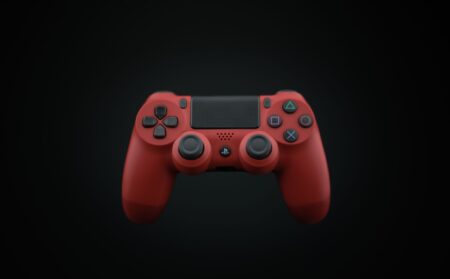




Sony quietly launched a digital trade-in program through the PlayStation Store last month, allowing gamers to exchange digital game licenses for store credit. The move represents a seismic shift in how console manufacturers approach game ownership and could fundamentally alter GameStop’s position as the go-to destination for trade-ins.
The program, currently in beta testing across select PlayStation 5 titles, lets players trade digital games they’ve owned for at least 30 days back to Sony for PlayStation Store credit. Trade values range from 15% to 40% of the original purchase price, depending on the game’s age and current market demand. Popular titles like Spider-Man 2 and God of War Ragnarok are fetching higher percentages, while older catalog games offer lower returns.
This digital-first approach eliminates the physical logistics that have defined GameStop’s business model for decades. No shipping, no inventory management, no shelf space – just instant credit applied to user accounts within minutes of approval.
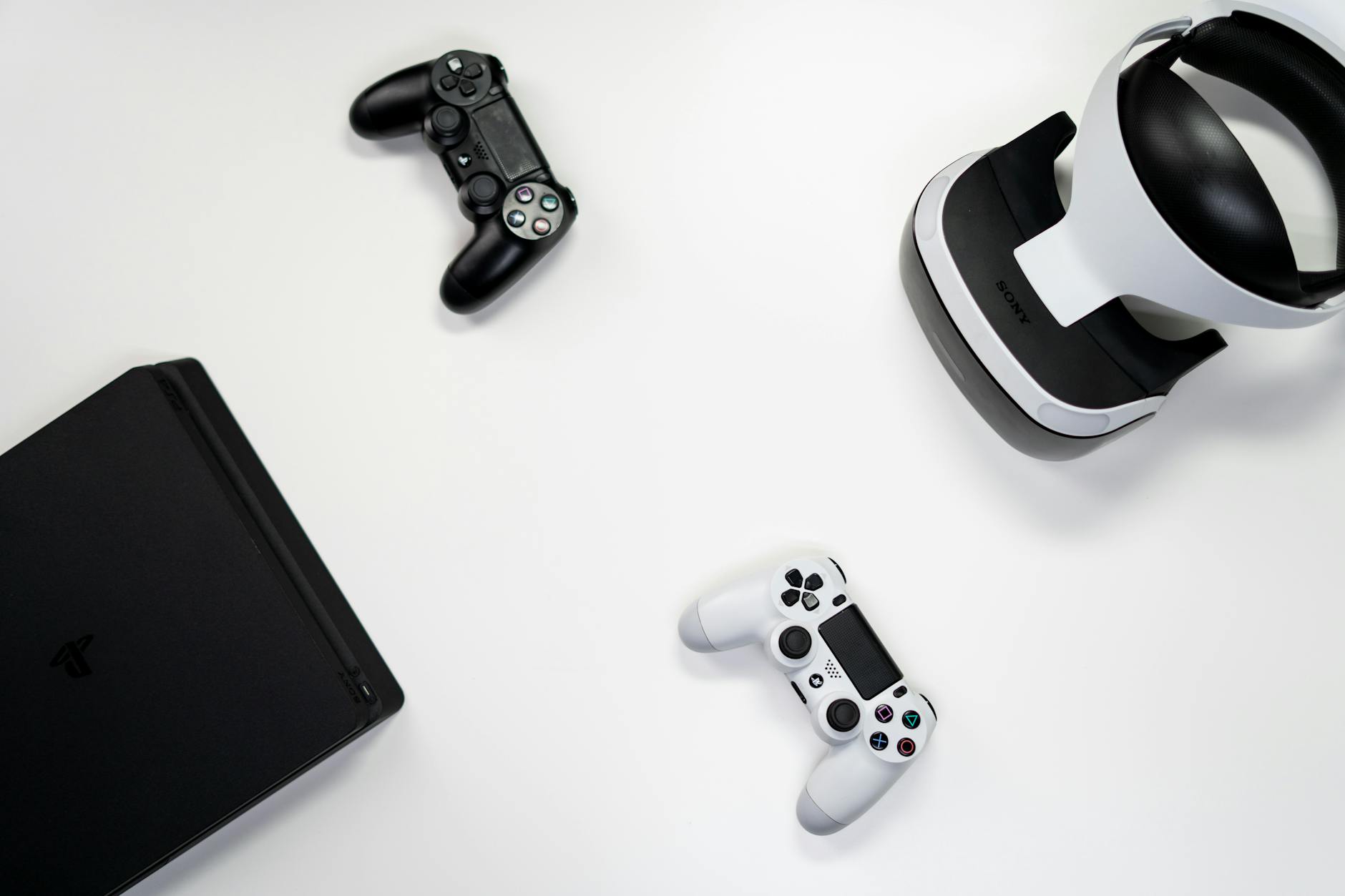
How the PlayStation Trade-In System Actually Works
The process streamlines what traditionally required a trip to GameStop into a few button clicks. Players access the trade-in portal directly through their PlayStation 5 console or the PlayStation mobile app. The system scans their game library, identifies eligible titles, and displays current trade values in real-time.
Sony’s algorithm considers multiple factors when calculating trade values: original purchase price, time since release, current PlayStation Store price, and estimated demand. Games purchased during major sales events receive adjusted valuations to prevent exploitation of the system.
The company has implemented several safeguards to maintain program integrity. Players must have earned at least one trophy in each game they’re trading, ensuring actual ownership rather than quick flips. Additionally, games purchased with heavily discounted PlayStation Plus credits receive reduced trade values.
Early beta participants report satisfaction with the convenience factor, though trade values consistently fall below what GameStop typically offers for physical copies. However, the instant processing and elimination of travel time appeal to digital-native gamers who prioritize convenience over maximum return value.
GameStop’s Physical Trade-In Model Under Pressure
GameStop built its empire on the physical trade-in ecosystem, generating billions in revenue from used game sales over the past two decades. The retailer typically offers 20% to 50% of a game’s current retail value in store credit, with cash payouts running 20% lower than credit offers.
The company’s trade-in model depends on physical inventory turnover. Games traded in today become tomorrow’s used game sales, often at 70% to 80% of new retail prices. This margin-rich business helped GameStop weather the transition from cartridges to discs and survive the initial digital distribution wave.
But Sony’s digital trade-in program attacks GameStop’s core value proposition. Why drive to a store, wait in line, and negotiate with staff when you can trade games instantly from your couch? The psychological friction of leaving home becomes a significant barrier when comparable digital alternatives exist.
GameStop’s stock price has shown volatility since rumors of Sony’s program first surfaced earlier this year. While the company continues to pivot toward collectibles, PC gaming hardware, and cryptocurrency initiatives, game trades remain a crucial traffic driver for their retail locations.

Industry analysts point out that GameStop’s physical model still offers advantages Sony cannot replicate. The retailer accepts games from all platforms – Nintendo Switch, Xbox, PlayStation, and legacy systems. Their trade values often exceed Sony’s percentages, particularly for newer releases. Plus, cash payments provide immediate liquidity rather than platform-locked store credit.
The Broader Digital Ownership Revolution
Sony’s trade-in program represents a fundamental shift in how we think about digital ownership. For years, digital game purchases felt like permanent additions to our libraries – you bought it, you owned it forever, with no resale option. This new model introduces liquidity to digital collections.
The timing aligns with broader changes across Sony’s ecosystem. The company’s partnership with Discord demonstrated their willingness to integrate third-party services when it benefits players. Similarly, this trade-in program acknowledges that gamers want flexibility in how they manage their digital libraries.
Microsoft has reportedly been exploring similar initiatives for Xbox Game Pass titles, though no concrete program has launched. Nintendo remains focused on their hybrid physical-digital model, with no indication they’re considering digital trades for Switch titles.
The program also raises questions about digital rights management and secondary markets. If Sony can facilitate digital trades, what prevents a broader secondary market for digital games? European Union regulations around digital ownership may eventually require console manufacturers to support full digital resales, not just manufacturer-controlled trade-ins.
Consumer advocacy groups have praised the program as a step toward genuine digital ownership rights. However, the trade values and platform restrictions still fall short of true ownership parity with physical media.
What This Means for Gaming’s Future
Sony’s digital trade-in program signals the beginning of the end for physical game retail as we know it. While GameStop won’t disappear overnight, the convenience and integration of digital trades will gradually erode their customer base, particularly among younger gamers who’ve grown up with digital-first consumption.
The success of this program could accelerate the industry’s shift toward all-digital consoles. If players can trade digital games seamlessly, the last major advantage of physical media – resale value – diminishes significantly. We may see future PlayStation consoles launch without disc drives as standard, with physical media becoming a premium option.
GameStop’s survival depends on successfully pivoting beyond game trades. Their NFT marketplace, PC gaming focus, and collectibles expansion show promise, but none generate the consistent foot traffic that game trades provided. The company must reinvent its value proposition before Sony’s program exits beta and potentially expands to PlayStation 4 and legacy titles.
For gamers, this represents a massive quality-of-life improvement. Digital libraries become more liquid, storage management becomes easier, and the friction of moving between games decreases substantially. However, the closed-loop nature of Sony’s system – trade credit only usable on PlayStation Store – maintains platform lock-in while providing the illusion of ownership flexibility.
The gaming industry is watching closely to see whether other publishers follow Sony’s lead or if this remains a PlayStation exclusive advantage.
Frequently Asked Questions
How does PlayStation’s digital trade-in program work?
Players can trade digital games owned for 30+ days through their PlayStation console or app for store credit, with values ranging from 15-40% of original price.
Will this program hurt GameStop’s business?
The program directly competes with GameStop’s core trade-in model by offering digital convenience, though GameStop still offers cash payments and higher trade values.