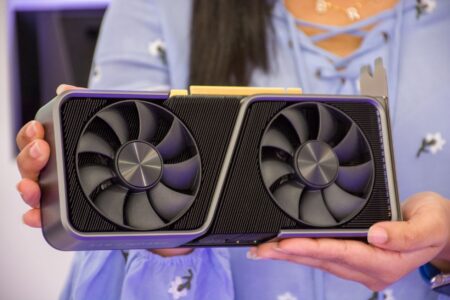




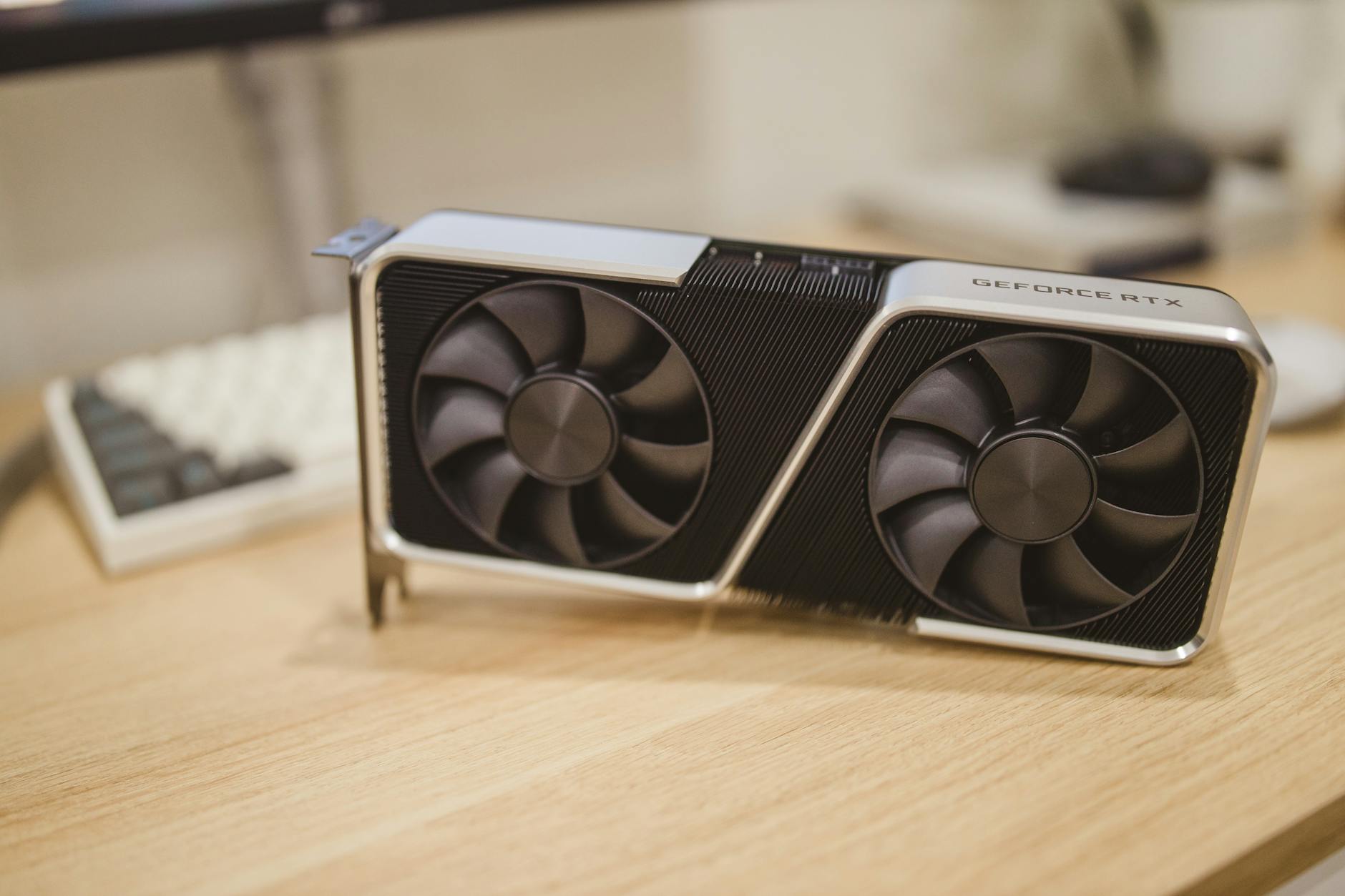
Graphics card shoppers are discovering an unexpected silver lining to NVIDIA’s RTX 4060 inventory problems. While would-be buyers face empty shelves and inflated prices for the popular mid-range GPU, AMD’s competing Radeon cards are experiencing a surge in sales as frustrated consumers pivot to Team Red.
The shortage stems from production bottlenecks at TSMC’s Taiwan facilities, where NVIDIA manufactures its RTX 4060 chips alongside other high-demand semiconductors. Retailers report weeks-long wait times for new stock, with some major online vendors completely sold out. The scarcity has pushed RTX 4060 prices 15-20% above MSRP at the few retailers still carrying inventory.
AMD Capitalizes on NVIDIA’s Absence
AMD’s RX 7600 and RX 6600 XT have become the beneficiaries of this supply crunch. System integrators building gaming PCs report switching to AMD cards when NVIDIA options aren’t available, while DIY builders who originally planned RTX 4060 builds are reconsidering their graphics choice entirely. The RX 7600, positioned as a direct competitor to the RTX 4060, offers similar 1080p performance at a comparable price point when actually in stock.
The timing works in AMD’s favor. Recent driver updates have improved performance across their RDNA 2 and RDNA 3 lineups, addressing earlier stability issues that kept some gamers hesitant about Radeon cards. Frame generation technology in FSR 3.0 provides a counter to NVIDIA’s DLSS advantage, though implementation remains game-dependent.
Retailers are actively promoting AMD alternatives to RTX 4060 seekers. Best Buy’s PC gaming section now highlights Radeon options more prominently, while Newegg’s graphics card landing page features AMD cards in the “staff picks” section. This increased visibility translates directly to purchase decisions for consumers who might not have considered AMD otherwise.
Market Share Implications
The supply shortage creates an opening AMD hasn’t seen in years. NVIDIA typically dominates the $300-400 graphics card segment through superior mind share and brand recognition. When consumers can’t buy the card they want, they become open to alternatives they previously overlooked.

Early sales data from European retailers shows AMD’s market share in the mid-range segment jumping from roughly 25% to 35% over the past two months. The shift represents real purchasing power moving between ecosystems, not just temporary substitution.
Long-Term Competitive Effects
The shortage exposes how dependent NVIDIA has become on seamless supply chain execution. The company’s strategy of maintaining lean inventory to maximize margins works during normal conditions but creates vulnerability during production hiccups. AMD’s decision to work with multiple foundries, including Samsung for some chip production, provides supply chain redundancy that’s proving valuable.
Gamers switching to AMD during this shortage may discover they don’t need NVIDIA’s premium features for their use cases. The RX 7600 handles popular esports titles like Valorant and Fortnite at high refresh rates, while single-player games run smoothly at 1080p high settings. These positive experiences could reduce the likelihood of switching back to NVIDIA for future upgrades.
NVIDIA’s response has been limited to vague promises of increased production without specific timelines. The company faces competing demands for TSMC capacity from its lucrative AI chip business, which commands higher margins than consumer graphics cards. This prioritization makes sense financially but leaves gaming customers as secondary concerns.
The shortage also highlights different approaches to customer communication. While NVIDIA remains largely silent about supply timelines, AMD has been more transparent about inventory levels and actively courts frustrated NVIDIA customers through targeted marketing campaigns. Social media ads specifically mention RTX 4060 alternatives, capitalizing on search traffic from disappointed shoppers.