




Microsoft’s latest Windows 11 update quietly revolutionized PC gaming performance, and the numbers prove it. Gaming Mode, once dismissed as marketing fluff, now delivers measurable frame rate improvements that have competitive players taking notice.
The transformation didn’t happen overnight. Microsoft spent two years rebuilding Gaming Mode from the ground up, partnering with AMD, NVIDIA, and Intel to optimize how Windows handles gaming workloads. The result is a system that intelligently reallocates resources, prioritizes GPU scheduling, and minimizes background interference in ways that genuinely impact gameplay.
Professional esports organizations report frame rate increases between 8-15% in competitive titles like Valorant, Counter-Strike 2, and Apex Legends. More importantly, frame time consistency improved dramatically, reducing those micro-stutters that plague competitive gaming sessions.
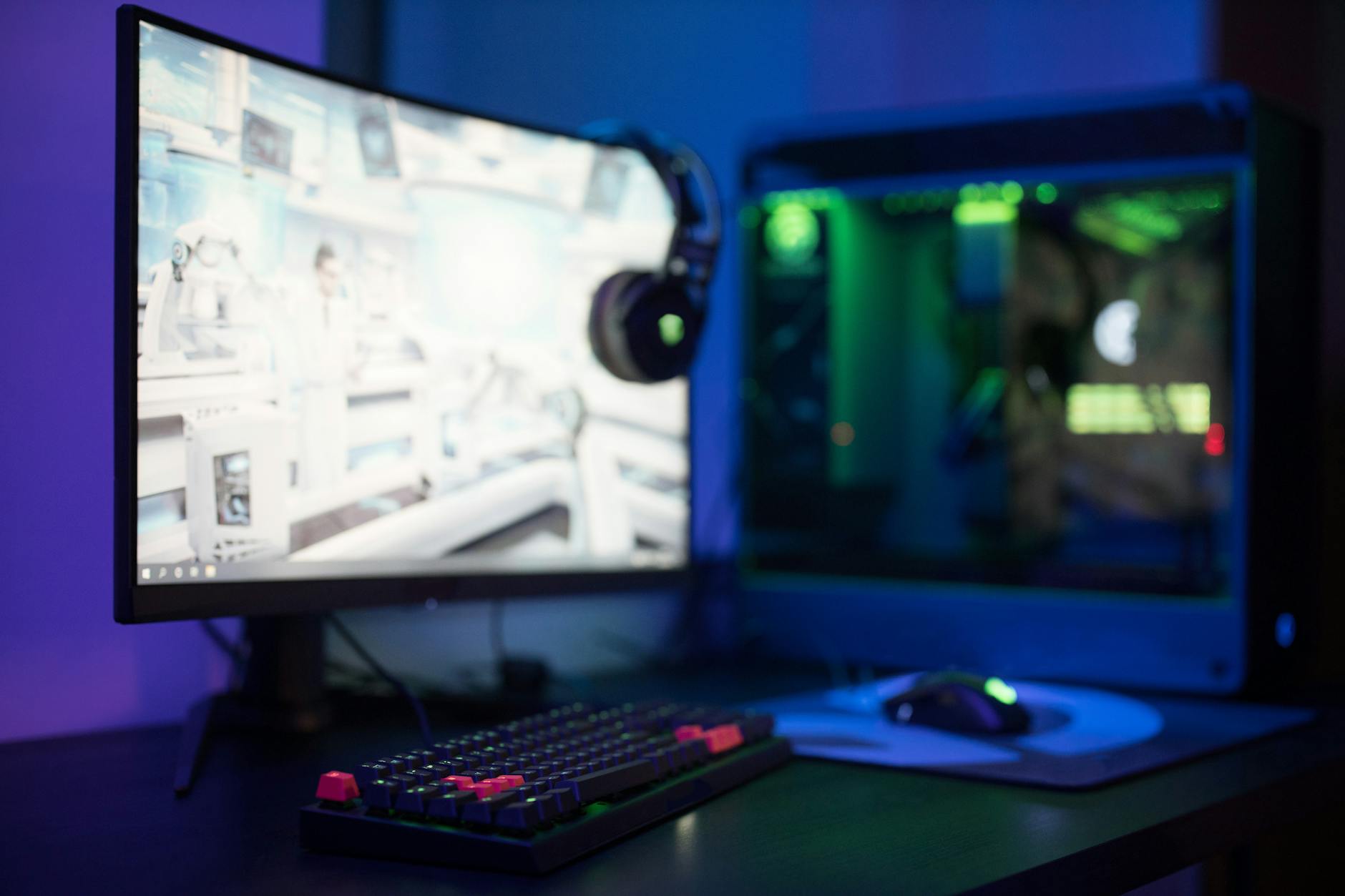
Resource Allocation Gets Smarter
Windows 11’s Gaming Mode operates differently than its predecessor. Instead of simply turning off notifications and pausing updates, the system now actively monitors CPU and GPU usage patterns during gameplay. When Gaming Mode detects a running game, it implements dynamic thread prioritization that ensures gaming processes receive first access to available cores.
The most significant change involves how Windows handles background applications. Gaming Mode creates a resource reservation system that quarantines non-essential processes, preventing them from competing for CPU cycles during intensive gaming moments. This means Discord, streaming software, and browser tabs continue running but operate within strictly defined resource limits.
Memory management received similar attention. The system pre-allocates RAM for gaming workloads and implements more aggressive garbage collection for background processes. Users with 16GB of RAM see the most dramatic improvements, as Gaming Mode prevents the system from over-committing memory to non-gaming applications.
Graphics driver communication also improved. Gaming Mode now bypasses certain Windows display compositor layers, creating a more direct connection between games and graphics drivers. This reduces input latency by approximately 2-4 milliseconds in most titles, a meaningful improvement for competitive players.
GPU Scheduling Revolution
Hardware-accelerated GPU scheduling represents Gaming Mode’s most technical advancement. This feature, enabled by default in Gaming Mode, allows compatible graphics cards to manage their own memory and scheduling operations without constant CPU oversight.
The practical impact varies by hardware configuration. Users with modern NVIDIA RTX or AMD RDNA graphics cards see the largest benefits, as these GPUs include dedicated scheduling hardware. Older graphics cards still benefit from reduced CPU overhead, though improvements are more modest.
Frame pacing became notably more consistent across different game engines. Unity and Unreal Engine titles, which historically suffered from occasional frame time spikes, now maintain steadier performance curves. This improvement extends beyond high-end systems, with budget builders using Intel’s Arc graphics cards reporting smoother gameplay experiences.
The scheduling improvements also benefit CPU-bound scenarios. Games that heavily utilize physics calculations or AI processing see reduced bottlenecking, as Gaming Mode ensures these workloads receive priority access to available processing threads.
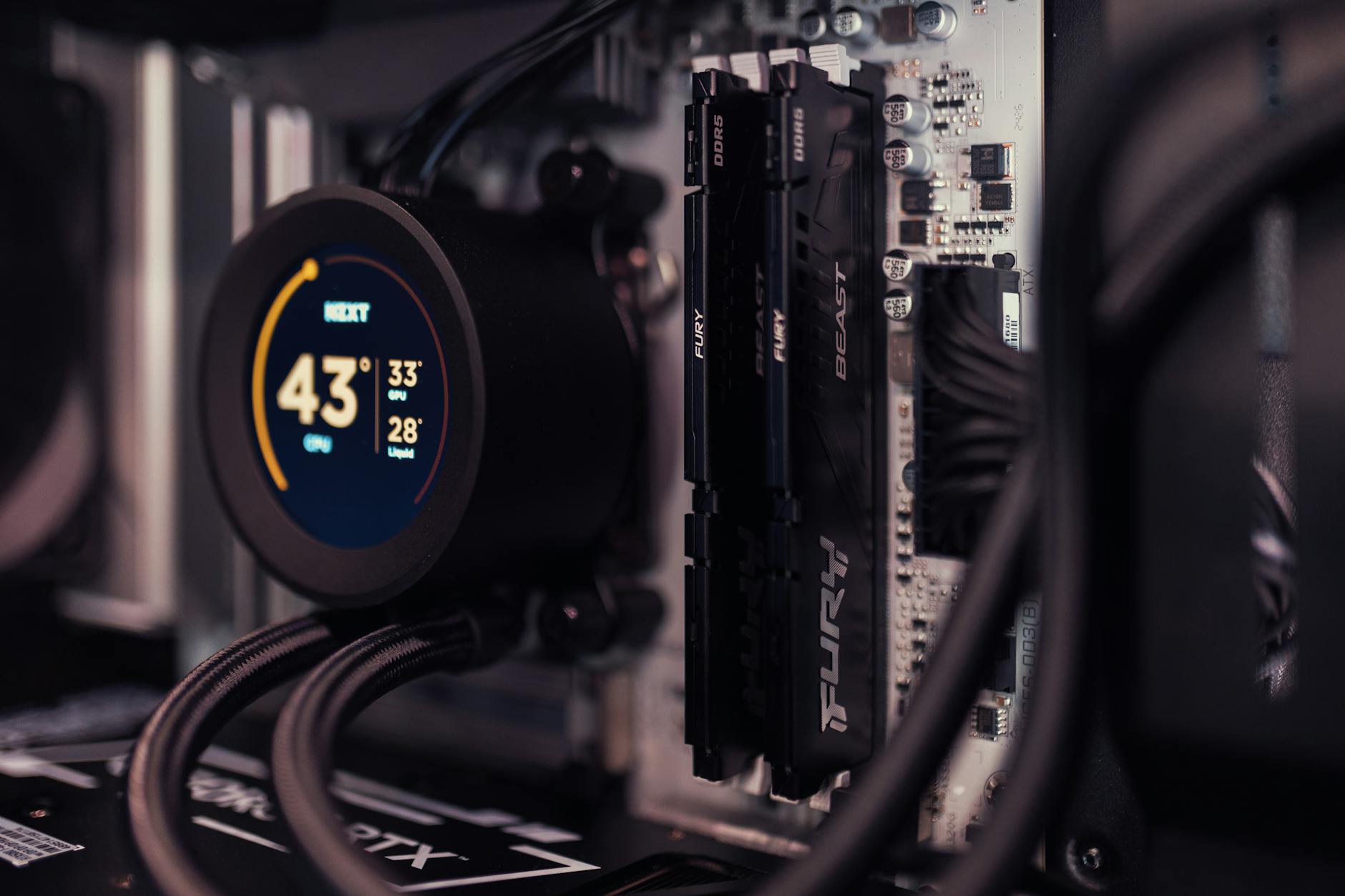
Real-World Performance Gains
Independent testing by hardware reviewers confirms Microsoft’s performance claims. Digital Foundry’s analysis showed consistent frame rate improvements across multiple gaming scenarios, with the largest gains occurring in CPU-limited situations.
Cyberpunk 2077 running on mid-range hardware demonstrated 12% higher average frame rates with Gaming Mode enabled. More importantly, the notorious frame drops in Night City’s crowded districts became less frequent and less severe. Similar improvements appeared in other demanding open-world titles including Assassin’s Creed Mirage and Starfield.
Competitive gaming saw equally impressive results. Professional Counter-Strike 2 players reported more stable frame rates during complex scenarios like smoke grenades and multi-player engagements. Valorant’s frame rate consistency improved enough that several esports teams updated their training setups to ensure Gaming Mode activation.
The benefits extend beyond frame rates. Streaming performance improved significantly for content creators running single-PC streaming setups. OBS Studio operates more efficiently under Gaming Mode’s resource management, resulting in fewer dropped frames and better stream quality without dedicated streaming hardware.
Power efficiency also improved on gaming laptops. Gaming Mode’s intelligent resource allocation reduces unnecessary CPU boost behavior, extending battery life during gaming sessions while maintaining performance levels.
Platform Integration and Future Outlook
Gaming Mode’s improvements coincide with broader changes in PC gaming distribution. Epic Games Store exclusives are changing PC gaming purchase habits, creating more diverse hardware requirements that benefit from Windows 11’s adaptive performance optimization.
Microsoft continues expanding Gaming Mode’s capabilities through monthly updates. Recent additions include automatic HDR calibration for supported monitors and improved integration with Xbox Game Pass titles. The company plans to introduce machine learning-based performance prediction, allowing the system to pre-optimize for specific games before launch.
DirectStorage integration represents the next major milestone. This technology, already implemented in select titles, will work more closely with Gaming Mode to eliminate loading bottlenecks and reduce texture streaming delays. Early testing shows loading time reductions of 40-60% in compatible games.
The competitive landscape adds urgency to these improvements. Valve’s Steam Deck success demonstrated that optimized gaming experiences matter more than raw hardware specifications. Microsoft’s Gaming Mode evolution shows the company taking software optimization seriously in ways that directly compete with purpose-built gaming devices.
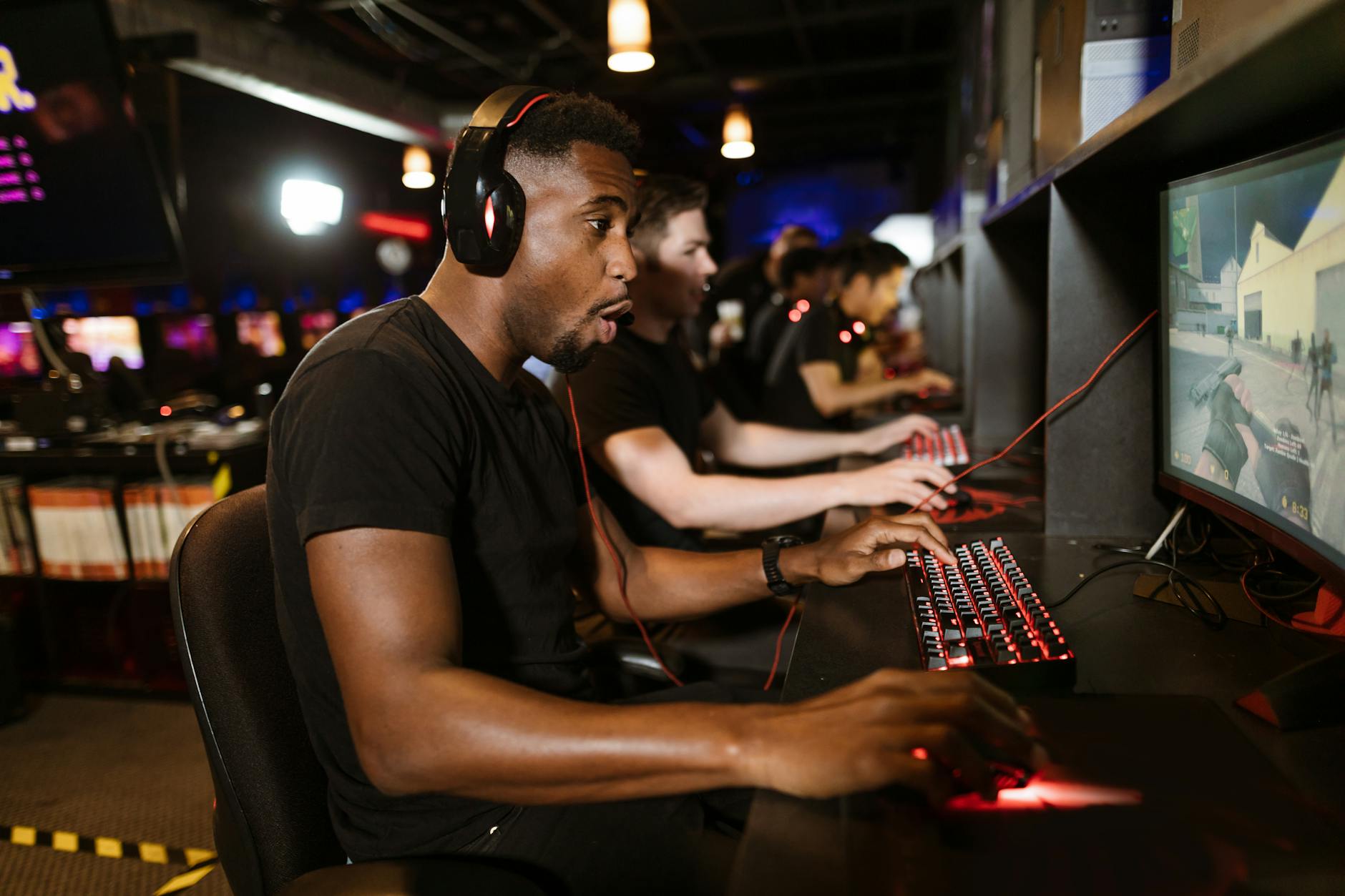
Windows 11’s Gaming Mode transformation from gimmick to genuine performance tool reflects Microsoft’s renewed focus on PC gaming. The measurable frame rate improvements and system stability gains provide compelling reasons for competitive players and enthusiasts to embrace the platform’s latest iteration. As game complexity increases and hardware diversity expands, intelligent software optimization becomes increasingly valuable for maintaining smooth gaming experiences across different system configurations.
Frequently Asked Questions
Does Windows 11 Gaming Mode actually improve performance?
Yes, Gaming Mode provides measurable frame rate improvements of 8-15% in competitive games through better resource allocation and GPU scheduling.
Which graphics cards benefit most from Gaming Mode?
Modern NVIDIA RTX and AMD RDNA cards see the largest improvements due to hardware-accelerated GPU scheduling support.