



The gaming industry’s talent pipeline just got a major overhaul. Top streamers who built their careers entertaining audiences on Twitch are now landing lead voice acting roles in blockbuster video games, fundamentally changing how studios cast their most important characters.
This shift represents more than just celebrity cameos. Major developers like CD Projekt Red, Riot Games, and Ubisoft are actively recruiting streamers not just for their vocal talents, but for their deep understanding of gaming culture and their ability to authentically connect with target audiences. The result is a new generation of game characters that feel more relatable and genuine to players.
From Chat to Character Development
The transition from streaming to voice acting isn’t as dramatic as it might seem. Successful Twitch streamers already possess many skills that translate directly to voice work: improvisational abilities, character creation, emotional range, and most importantly, thousands of hours of practice speaking to audiences.
Popular variety streamer Zentreya, known for her silent streams and expressive gameplay, recently surprised fans by revealing she’d been cast in an upcoming indie RPG. Her casting director cited her ability to convey emotion without words as a key factor in the decision. Similarly, VTuber Ironmouse’s distinctive voice work has caught the attention of several animation studios looking for fresh talent.
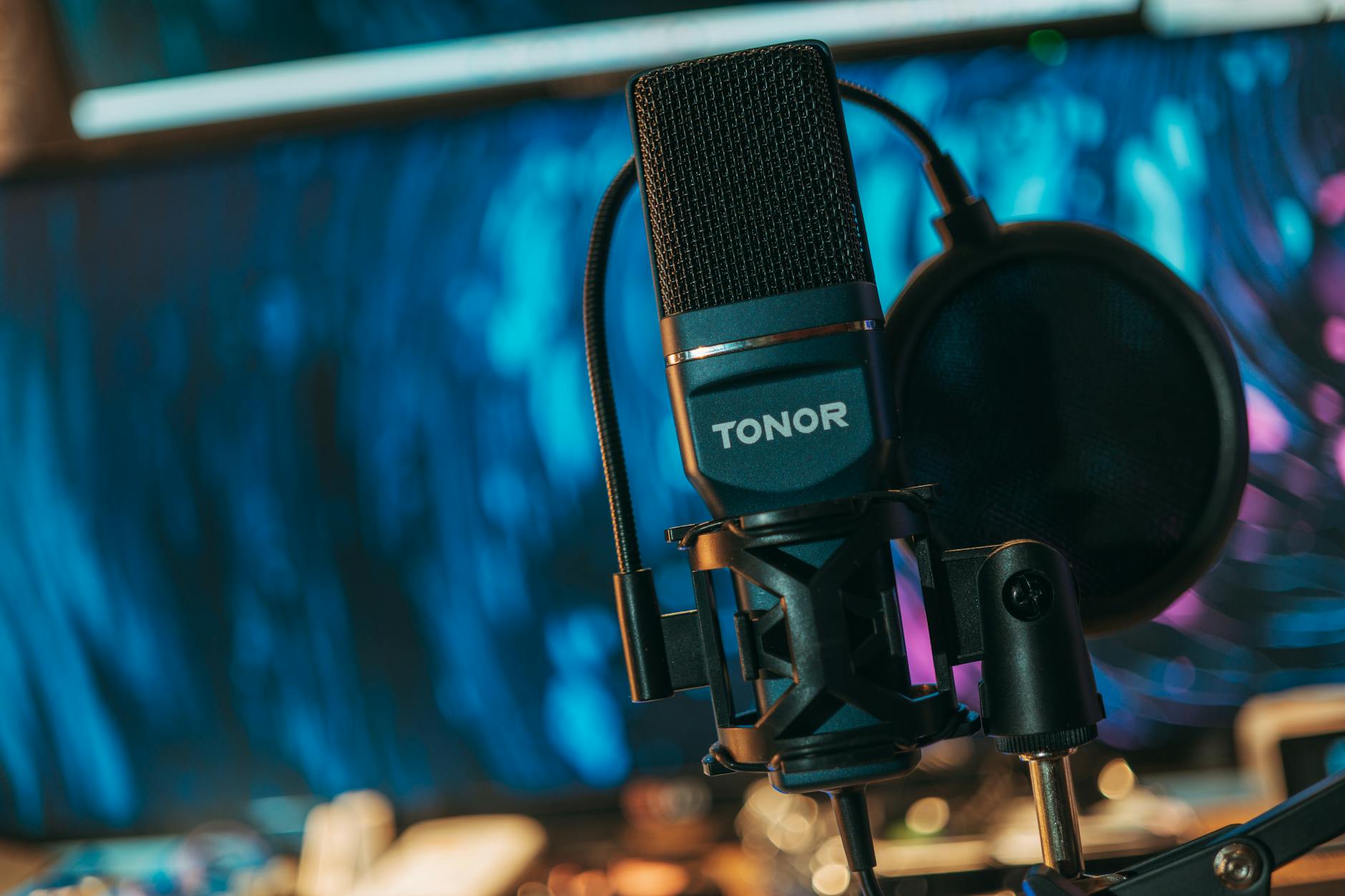
The technical setup many streamers already have rivals professional recording studios. High-quality microphones, sound-treated rooms, and audio editing software are standard equipment for serious content creators. This means they can often deliver broadcast-ready takes from their home setups, making them attractive options for studios working with tight budgets and timelines.
Studios are discovering that streamers bring something traditional voice actors sometimes lack: an intuitive understanding of what gamers want to hear. They know which phrases become memes, how dialogue should flow during intense gameplay moments, and what kinds of character interactions feel authentic rather than forced.
Breaking Down Studio Barriers
Traditional voice acting has long been dominated by a relatively small pool of established performers who move between projects within major studios. This system worked well for decades, but it also created a certain sameness in character voices across different games.
The streaming revolution is disrupting this closed system. Indie developers, in particular, are embracing streamer talent as a way to differentiate their projects and tap into built-in audiences. When a popular streamer voices a character, their followers often become instant supporters of the game, creating a marketing advantage that extends far beyond traditional advertising.
Major publishers are taking notice. Several AAA studios have quietly established talent scouting divisions specifically focused on identifying streamers with voice acting potential. These scouts attend gaming conventions, monitor streaming platforms, and maintain relationships with agency representatives who work with content creators.
The casting process itself is evolving. Where traditional auditions might involve reading from a script in a sterile studio environment, streamers are often asked to demonstrate their skills through live improvisation sessions or by creating character voices during actual gameplay streams. This approach gives casting directors a better sense of how the performer handles pressure and interacts naturally with gaming content.
Some studios are going even further, creating hybrid roles that combine voice acting with streaming responsibilities. These positions involve performers who voice characters in games while also promoting those games through their streaming channels, creating a seamless integration between development and marketing.
The Skills That Transfer
Voice acting for games requires specific skills that align surprisingly well with streaming expertise. Game voice work often involves recording lines without context, requiring performers to maintain character consistency across hundreds of individual takes. Streamers develop similar skills by maintaining their on-screen personas for hours at a time, often while dealing with unexpected situations or challenging gameplay.
The improvisational aspect of streaming proves particularly valuable. Game development is iterative, with dialogue often changing late in the process. Streamers accustomed to thinking on their feet can adapt to script changes more easily than performers used to heavily rehearsed productions.
Technical knowledge represents another advantage. Streamers understand audio compression, file formats, and delivery requirements that can mystify traditional performers. They’re comfortable with remote recording sessions, digital collaboration tools, and the technical aspects of getting their voice from microphone to final product.
Character creation skills developed through streaming also translate well. Many successful streamers have created distinct personas or play different character types across various games. This experience with voice modulation, personality consistency, and audience engagement proves invaluable when voicing game characters who need to feel authentic across long play sessions.
The relationship between performer and audience differs significantly between traditional voice acting and streaming. Streamers receive immediate feedback on their character choices and can adjust their approach based on real-time audience reactions. This creates performers who are naturally attuned to audience preferences and expectations.
Industry Impact and Future Trends
This trend is reshaping how the industry thinks about talent development and audience connection. Just as Twitch’s subscription model has transformed gaming sponsorships, the platform is now disrupting traditional voice acting pipelines.
The financial implications are significant. Hiring streamers often costs less than established voice actors, while potentially delivering greater marketing value through their existing audiences. This economic reality is particularly attractive to indie developers working with limited budgets.
Training programs are emerging to help streamers develop professional voice acting skills. Several online academies now offer courses specifically designed for content creators interested in transitioning to voice work. These programs focus on industry-standard practices, union requirements, and the business aspects of voice acting.
The success of streamer-turned-voice-actors is creating new career pathways within the gaming industry. Some platforms are developing programs to connect talented streamers with casting directors, while talent agencies are expanding their rosters to include content creators alongside traditional performers.
Looking ahead, this trend shows no signs of slowing. As gaming continues its mainstream expansion and streaming audiences grow, the overlap between these communities will only increase. Studios recognize that authentic representation matters to modern gaming audiences, and streamers who already embody that authenticity are natural choices for bringing game characters to life.
The future likely holds even deeper integration between streaming and game development, with voice actors who maintain active streaming careers becoming the new normal rather than the exception. This evolution promises to make game characters more relatable, authentic, and connected to the communities that play them.
Frequently Asked Questions
Do streamers have the skills needed for professional voice acting?
Many streamers already possess key voice acting skills like improvisation, character consistency, and technical audio knowledge from their streaming careers.
Why are game studios hiring streamers over traditional voice actors?
Streamers understand gaming culture authentically and often bring built-in audiences that provide marketing value beyond just voice performance.