




Gaming playlists on Spotify have quietly become one of the most influential forces shaping modern video game soundtracks. What started as user-generated collections of epic boss battle music and lo-fi study beats has evolved into a sophisticated algorithm that game developers now monitor closely when crafting their audio experiences.
The shift began when Spotify’s data scientists noticed gaming-focused playlists generating over 2.8 billion streams annually. These playlists, ranging from “Gaming Music” with 2.3 million followers to niche collections like “Synthwave Gaming” and “Medieval Fantasy RPG,” became unexpected barometers for what resonates with players across different game genres.

The Data That’s Changing Everything
Spotify’s algorithm tracks more than just what gamers add to their playlists. It analyzes tempo patterns, energy levels, and emotional peaks that correlate with gaming sessions. The platform can identify when users switch from high-intensity tracks during competitive matches to ambient soundscapes during exploration phases.
This granular data has caught the attention of major game studios. Electronic Arts, Ubisoft, and smaller indie developers now regularly consult Spotify’s gaming playlist trends before finalizing their soundtracks. The algorithm reveals that successful gaming tracks typically maintain consistent energy levels between 70-85 BPM for exploration, while action sequences benefit from 120-140 BPM ranges.
The influence extends beyond tempo. Spotify’s data shows gaming playlists favor tracks with minimal vocals during the first 30 seconds, allowing players to focus on gameplay audio cues. This insight has led developers to restructure licensed music placement and commission instrumental variations of popular songs.
From Playlist to Game Development
Independent game developers have embraced this trend most aggressively. Studios like Team Cherry, creators of “Hollow Knight,” report consulting Spotify’s “Dark Ambient Gaming” and “Indie Game Soundtracks” playlists during their composition process. The data helps identify which atmospheric elements sustain listener engagement over extended gaming sessions.
The algorithm’s influence appears in recent releases across genres. Racing games increasingly feature synthwave tracks after Spotify data showed this genre dominating driving-themed playlists. Horror games lean toward industrial and dark electronic music, reflecting the popularity of these styles in “Horror Gaming Atmosphere” collections.
Major publishers have started creating their own official gaming playlists as marketing tools, but also as research instruments. Sony’s “PlayStation Hits” playlist serves dual purposes: promoting their games while gathering listener behavior data that informs future soundtrack decisions.
The Creator Economy Shift
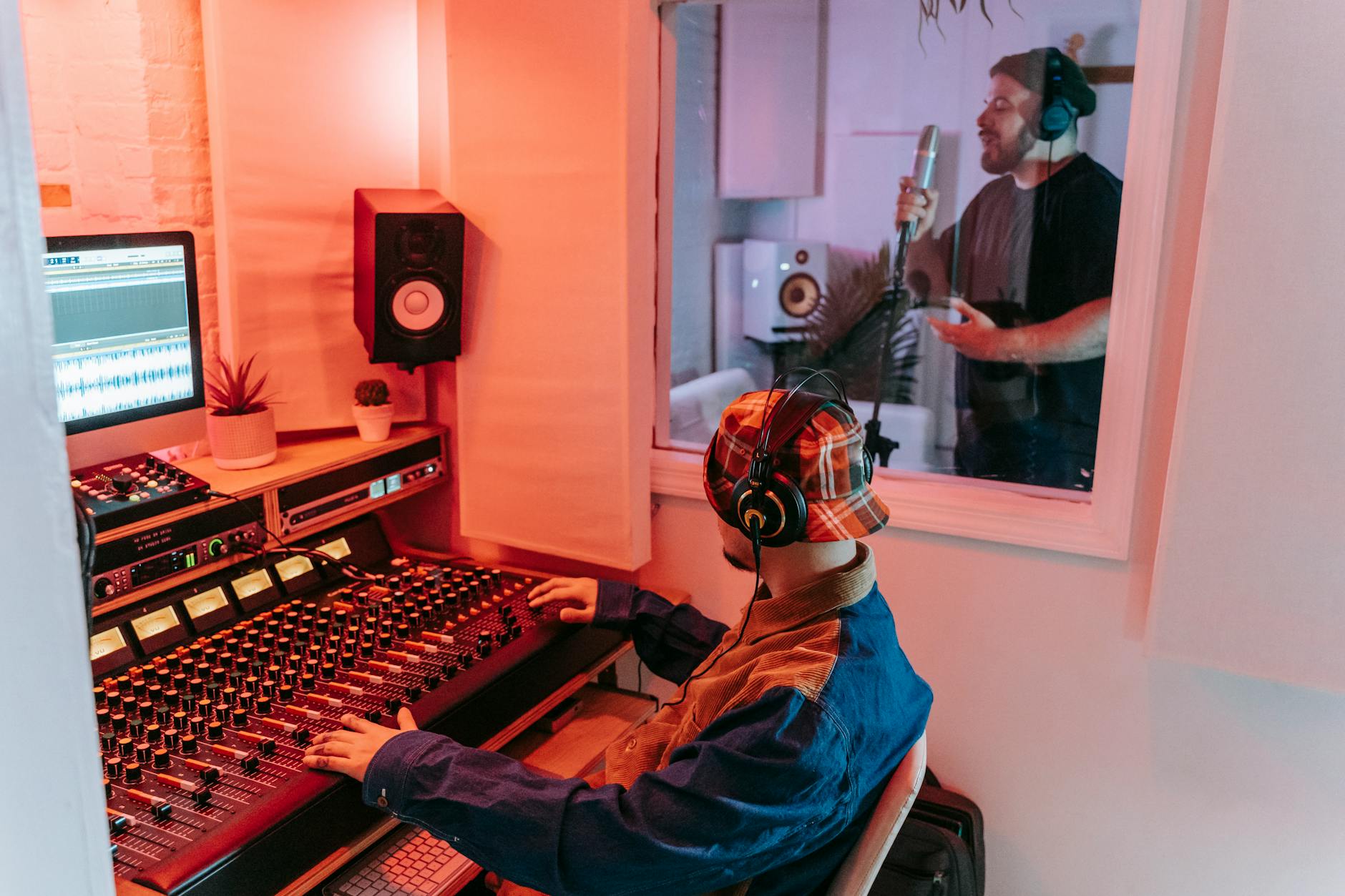
This algorithmic influence has created new opportunities for music producers. Artists who understand gaming playlist optimization can target specific niches with remarkable success. Producers specializing in “boss battle” music, ambient exploration tracks, or retro-inspired gaming soundscapes have found dedicated audiences.
The trend connects to broader changes in content creation, similar to how TikTok Gaming Content Is Replacing Traditional Video Game Journalism. Music producers now study gaming content creator preferences, crafting tracks specifically designed for streaming and social media sharing.
Streaming platforms beyond Spotify have taken notice. Apple Music launched “Gaming” as a dedicated category, while YouTube Music’s algorithm promotes gaming-tagged content to users who frequently watch gaming videos. This cross-platform data sharing creates a feedback loop that amplifies successful gaming music trends.
Industry Resistance and Adaptation
Not every developer embraces algorithmic influence on their creative process. Some major studios maintain that artistic vision should drive soundtrack choices, not playlist data. Composers like Nobuo Uematsu and Jesper Kyd advocate for music that serves the game’s narrative rather than playlist optimization.
However, even traditional composers acknowledge the algorithm’s insights have merit. Dynamic music systems in modern games already adapt to player behavior, making Spotify’s behavioral data a natural extension of existing adaptive audio technology.
The balance between algorithmic insights and artistic integrity has become a defining challenge. Studios increasingly hire music supervisors who can interpret streaming data while preserving the composer’s creative vision. This role parallels the music supervisor position in film and television, but with real-time behavioral data informing decisions.

The relationship between gaming playlists and soundtrack development will likely deepen as streaming platforms gain more sophisticated biometric and contextual data. Spotify’s partnerships with gaming hardware manufacturers could eventually provide real-time player state information, creating even more precise insights for developers.
This evolution represents a fundamental shift from intuition-based composition to data-informed creativity, mirroring broader trends where user behavior shapes content creation across entertainment mediums. As gaming continues its convergence with music streaming, the algorithm’s influence on what we hear while playing will only grow stronger.
Frequently Asked Questions
How do gaming playlists influence game development?
Developers analyze Spotify playlist data to understand tempo preferences, energy levels, and musical styles that resonate with gamers during different gameplay phases.
Which game studios use Spotify data for soundtracks?
Major publishers like EA and Ubisoft, plus indie studios like Team Cherry, consult gaming playlist trends when creating and licensing music for their games.