




A 29-year-old programmer in Tokyo just discovered a way to complete Super Mario Bros. in under 4 minutes and 55 seconds, shaving precious milliseconds off a record that seemed untouchable. But this isn’t just about bragging rights – speedrunners like him are accidentally becoming the video game industry’s most dedicated historians, preserving digital culture one frame-perfect jump at a time.
While major studios focus on remasters and nostalgia-driven sequels, speedrunning communities have quietly evolved into comprehensive archives of gaming history. They document glitches, preserve original gameplay footage, and maintain detailed records of how games actually functioned across different hardware configurations and regional releases.
Digital Archaeology Through Frame Data
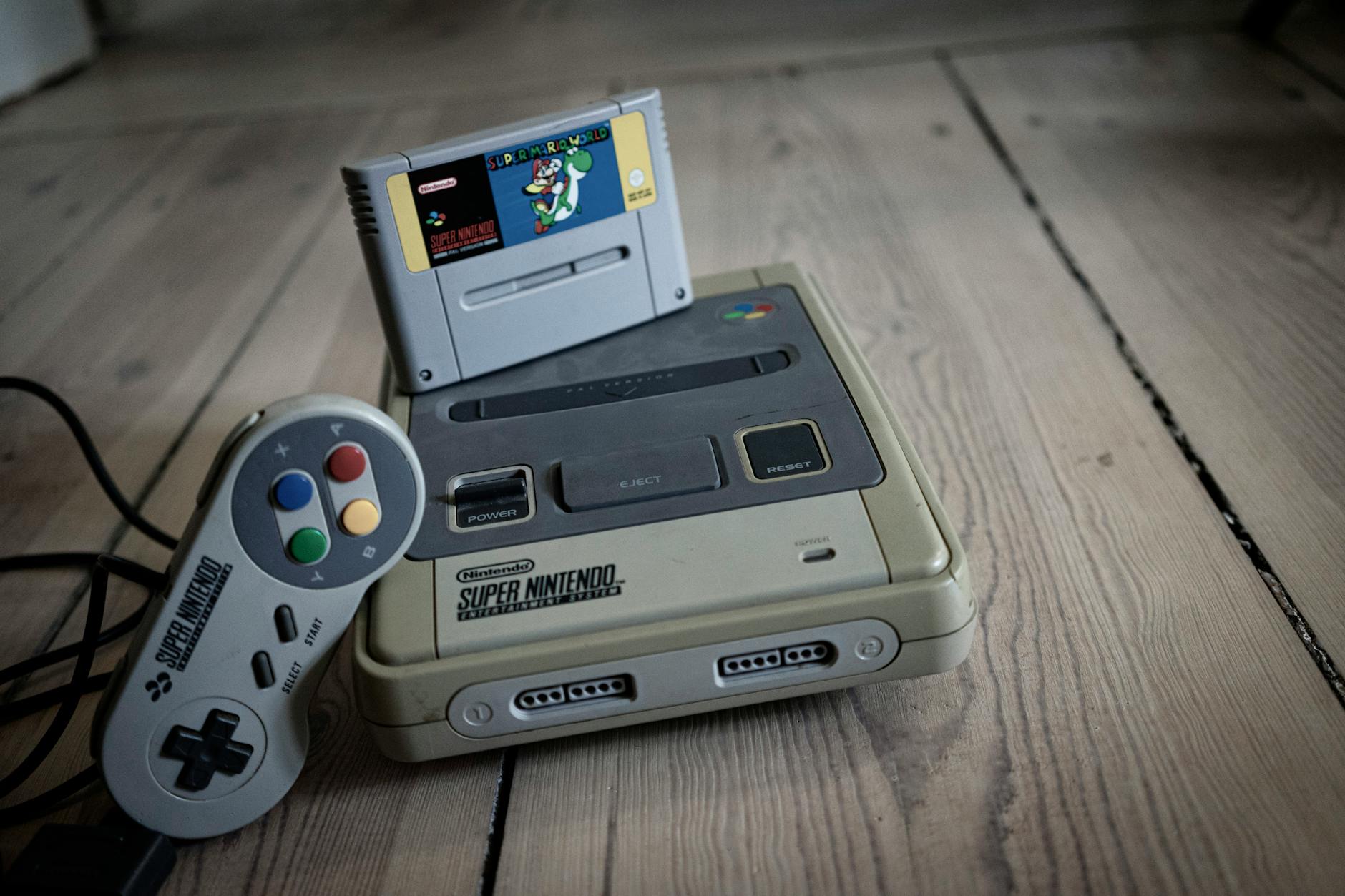
Speedrunners obsess over details that casual players never notice. They catalog how collision detection changed between software revisions, document which glitches work on specific console models, and preserve knowledge about obscure gameplay mechanics that developers never intended.
Games Done Quick events showcase this preservation work to mainstream audiences. The biannual charity marathons have raised over $40 million while demonstrating speedrunning techniques on everything from Atari 2600 cartridges to modern indie titles. But the real archival work happens in smaller communities dedicated to specific games or franchises.
The Legend of Zelda: Ocarina of Time speedrunning community maintains databases tracking every known glitch, routing optimization, and hardware-specific behavior. They’ve documented how the game performs differently on original Nintendo 64 hardware versus emulators, preserving technical knowledge that Nintendo itself may no longer possess.
Super Metroid runners have created frame-by-frame analysis videos explaining advanced techniques like wall-jumping and bomb-jumping. These tutorials preserve not just how to execute complex maneuvers, but the underlying programming quirks that make them possible. When official documentation disappears or becomes inaccessible, these community resources fill the void.
Preserving Lost Gaming Culture
Beyond technical documentation, speedrunning communities preserve the social and cultural context around classic games. They maintain leaderboards dating back decades, preserving records of who achieved what accomplishments when. This creates a continuous historical timeline that commercial gaming archives often lack.
The Doom speedrunning scene exemplifies this cultural preservation. Runners maintain archives of custom levels, modification files, and community challenges that shaped PC gaming culture in the 1990s. They’ve preserved not just the base game, but the entire ecosystem of user-generated content that made Doom influential.
Fighting game communities serve a similar archival function, maintaining video databases of tournament matches, combo tutorials, and character guides. Street Fighter footage from the early 2000s arcade scene exists primarily because dedicated players recorded and uploaded matches, creating an unofficial historical record of competitive gaming evolution.
These communities often become the de facto authorities on game history. When journalists or researchers need information about classic titles, they frequently turn to speedrunning forums and wikis rather than official sources. The community-maintained knowledge base becomes more comprehensive and accessible than anything produced by the original developers.
Technical Preservation Through Reverse Engineering
Serious speedrunners often become inadvertent software archaeologists, reverse-engineering games to understand their internal mechanics. This technical deep-dive preserves programming knowledge that might otherwise vanish as original development teams disperse and source code gets lost.
The Super Mario 64 community has virtually reverse-engineered the entire game, creating detailed documentation of its physics engine, level geometry, and object interactions. This work culminated in complete source code recreation, allowing the game to run natively on modern hardware without emulation. While Nintendo maintains the intellectual property, the community has preserved the technical knowledge needed to keep the game functional indefinitely.
Retro gaming preservation efforts benefit enormously from speedrunning research. Projects like the Video Game History Foundation rely on community-documented information about game versions, regional differences, and hardware compatibility. Speedrunners often possess the most detailed knowledge about how specific games behave on original hardware versus ports and remasters.
The growing popularity of gaming cafes in major cities has created new venues for speedrunning gatherings, where communities can share preservation knowledge in person. These meetups often focus on demonstrating techniques on original hardware, ensuring that physical gaming skills don’t disappear alongside the consoles themselves.
Building Tomorrow’s Gaming Archives
Modern speedrunning communities are becoming more intentional about their archival role. Major communities now maintain dedicated preservation projects, complete with version control systems for documenting game discoveries and historical timeline management.
Tools like LiveSplit have evolved beyond simple timing software into comprehensive data collection platforms. They automatically log attempt statistics, track personal bests over time, and generate analytics that provide insights into how optimization techniques develop within communities.

The relationship between streamers and preservation continues evolving as content creators recognize their role in gaming history. Many speedrunners now explicitly frame their content as educational, explaining not just what they’re doing but why specific techniques work and how they were discovered.
As gaming podcasts become more sophisticated, speedrunning historians are finding new platforms to share their knowledge. These audio formats allow for detailed technical discussions that complement visual demonstrations, creating multi-layered educational resources.
The speedrunning approach to preservation offers lessons for the broader gaming industry. While official remasters often prioritize visual updates over historical accuracy, community preservation efforts focus on maintaining authentic gameplay experiences. This grassroots approach ensures that future generations can experience classic games as they were originally intended, bugs and all.
Gaming preservation faces an uncertain future as hardware ages and digital storefronts disappear. But speedrunning communities have proven that passionate players can maintain cultural knowledge across decades, creating informal but comprehensive archives that rival institutional efforts. Their dedication to perfect runs inadvertently preserves perfect records of gaming’s past.
Frequently Asked Questions
How do speedrunners preserve video game history?
They document glitches, maintain detailed records of gameplay mechanics, and preserve technical knowledge about how games function on original hardware.
What makes speedrunning preservation different from official archives?
Speedrunning communities focus on authentic gameplay experiences and maintain continuous historical timelines, often with more detail than official sources.