




Game storage has become a costly nightmare for Xbox players. With modern titles like Call of Duty demanding over 200GB and consoles shipping with limited internal storage, gamers face constant decisions about which games to delete. Microsoft’s Smart Delivery technology promises to slash these requirements by delivering only the content players actually need.
Smart Delivery represents a fundamental shift from traditional game distribution. Instead of downloading massive universal packages containing content for multiple console generations, the system analyzes your specific Xbox model and delivers precisely the right assets. This targeted approach eliminates the bloat that has plagued modern gaming installations.

How Smart Delivery Identifies and Delivers the Right Content
Smart Delivery operates through Microsoft’s content distribution network, analyzing each Xbox console’s hardware capabilities before initiating downloads. When you purchase a Smart Delivery enabled title, the system automatically detects whether you’re running an Xbox One, Xbox Series S, or Xbox Series X.
The technology goes beyond simple hardware detection. Smart Delivery examines your display capabilities, audio setup, and even regional preferences to customize the download package. If your console connects to a 1080p display, you won’t download 4K texture packs. Players without surround sound systems skip high-fidelity audio files that would otherwise consume gigabytes of storage.
This intelligent filtering extends to backwards compatibility features. Xbox Series consoles can play enhanced versions of older titles, but Smart Delivery ensures you receive the optimal version without downloading redundant legacy assets. The system maintains compatibility while maximizing storage efficiency.
Game developers must specifically enable Smart Delivery support, requiring them to package their content in modular components. This architectural change benefits both storage requirements and download speeds, as players receive smaller, more focused installations.
Real-World Storage Savings Across Popular Titles
Microsoft’s first-party studios have embraced Smart Delivery extensively, demonstrating significant storage reductions across major releases. Halo Infinite utilizes the technology to deliver different texture qualities and audio compression levels based on console capabilities, reducing installation sizes by up to 30% on entry-level systems.
Forza Horizon 5 showcases Smart Delivery’s potential for racing games, where visual fidelity varies dramatically between console generations. Xbox Series X players receive full 4K assets and enhanced environmental details, while Xbox One installations focus on performance optimization with reduced texture quality. This approach cuts storage requirements by approximately 40GB on older hardware.
Third-party developers have shown varying adoption rates. Activision implemented Smart Delivery for certain Call of Duty titles, though the franchise’s massive content updates still challenge storage limitations. EA Sports has integrated the technology across recent FIFA releases, allowing console-specific optimizations that reduce download sizes while maintaining gameplay parity.
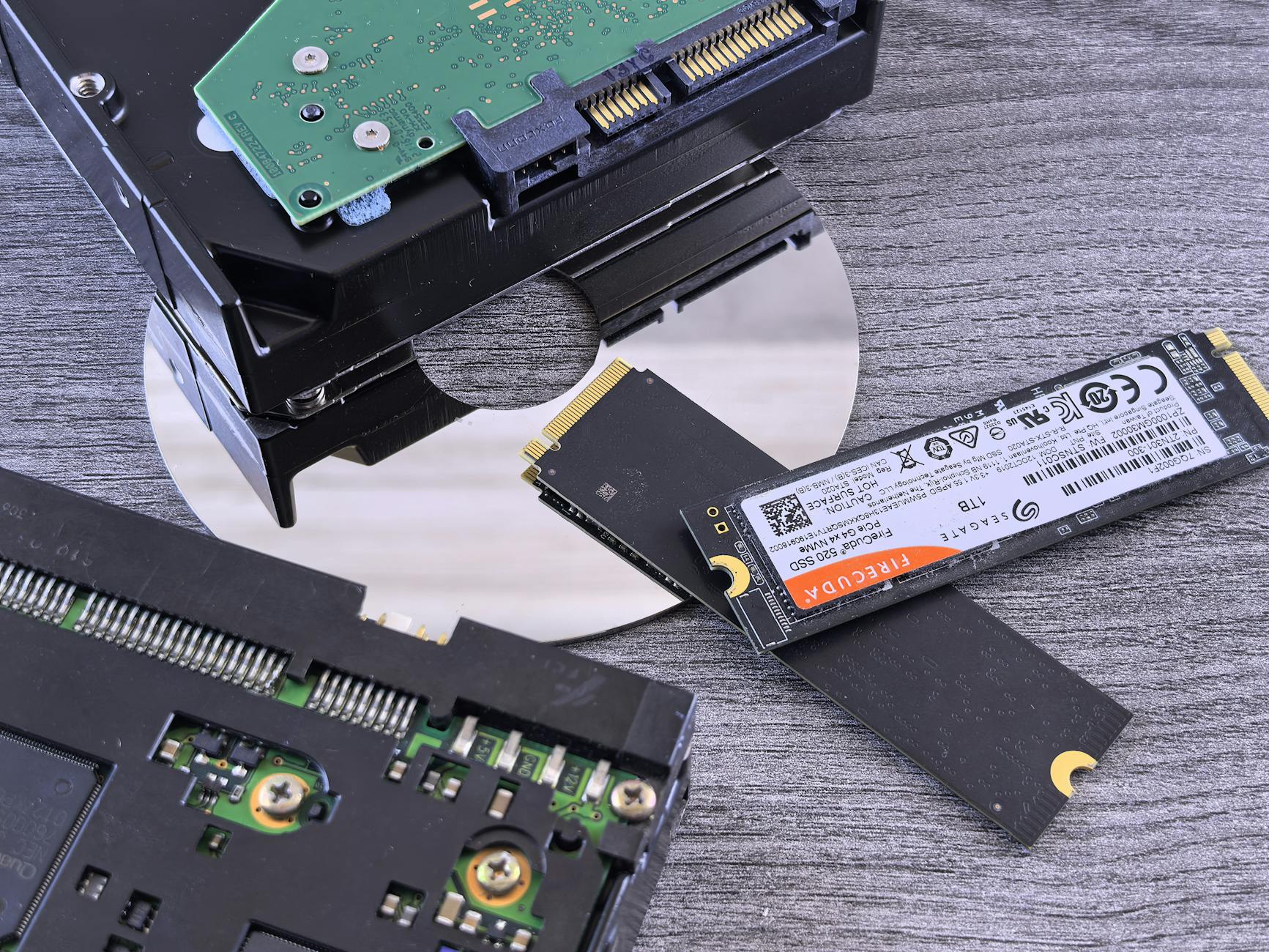
The storage savings compound over time as game libraries grow. Players with extensive Smart Delivery collections report 20-25% overall storage reductions compared to traditional installations. These savings become particularly valuable on Xbox Series S consoles, where internal storage limitations force careful game management decisions.
Technical Challenges and Developer Implementation
Smart Delivery implementation requires significant changes to traditional game development pipelines. Developers must create modular asset packages that can be mixed and matched based on target hardware, increasing complexity during the development process.
Content packaging becomes more sophisticated under Smart Delivery requirements. Developers separate textures, audio files, and gameplay assets into discrete modules, each tagged with compatibility and quality metadata. This modular approach enables precise delivery but requires extensive testing across multiple hardware configurations.
Microsoft provides development tools and documentation for Smart Delivery integration, but adoption remains voluntary. Smaller studios may lack resources to implement the technology effectively, while larger publishers must weigh implementation costs against storage benefits for players.
The technology faces limitations with certain game types. Live service games with frequent content updates may struggle to maintain Smart Delivery efficiency, as new content must be packaged according to modular requirements. Single-player narrative games benefit most from the technology, as their content remains relatively static post-launch.
Platform integration continues evolving as Microsoft refines Smart Delivery capabilities. Recent updates have improved detection accuracy and expanded compatibility with external storage solutions, addressing early implementation challenges that affected download reliability.
Integration with Xbox Ecosystem and Cross-Platform Benefits
Smart Delivery extends beyond individual game installations to integrate with broader Xbox ecosystem features. The technology works seamlessly with Xbox Game Pass, automatically delivering optimized versions of included titles based on your console hardware. This integration enhances the subscription service’s value proposition by maximizing available storage for game discovery.
Cross-platform functionality benefits from Smart Delivery’s intelligent distribution. Players who upgrade from Xbox One to Xbox Series consoles can re-download games in their enhanced versions without purchasing separate copies. The system recognizes hardware changes and adjusts installations accordingly, supporting Microsoft’s commitment to backwards compatibility.
[How Xbox Game Bar Integration Finally Makes Windows PC Gaming Seamless](https://gameoverhere.net/how-xbox-game-bar-integration-finally-makes-windows-pc-gaming-seamless/) demonstrates Microsoft’s broader approach to unified gaming experiences, with Smart Delivery serving as a crucial component of this ecosystem strategy.
Cloud gaming integration represents Smart Delivery’s future potential. Xbox Cloud Gaming already leverages similar content optimization principles, delivering appropriate stream quality based on connection speeds and device capabilities. This convergence suggests Smart Delivery principles may expand beyond local installations to encompass streaming optimization.
The technology also supports [How Game Pass Family Sharing Finally Addresses Account Security Concerns](https://gameoverhere.net/how-game-pass-family-sharing-finally-addresses-account-security-concerns/) by ensuring family members receive appropriate game versions for their specific consoles without requiring separate purchases or complex account management.

Future Evolution and Industry Impact
Smart Delivery’s influence extends beyond Microsoft’s ecosystem, inspiring similar approaches from competitors. Sony’s PlayStation 5 implements version-specific downloads for certain titles, though without the comprehensive automation Microsoft provides. Nintendo’s approach remains limited by the Switch’s unique hardware constraints, but the principles of targeted content delivery are gaining industry recognition.
Storage requirements will continue growing as games become more complex, making Smart Delivery increasingly valuable. Microsoft’s investment in cloud infrastructure and content delivery networks supports the technology’s scalability as adoption expands across more developers and titles.
The technology’s evolution may include more granular customization options, allowing players to manually select specific content modules based on their preferences. Advanced users might choose to download only single-player campaigns or skip certain multiplayer modes, further optimizing their storage usage.
Smart Delivery represents more than a storage solution – it signals a fundamental shift toward intelligent, user-centric game distribution. As internet speeds improve and cloud infrastructure expands, this targeted approach to content delivery will likely become the industry standard, making today’s universal game packages seem as outdated as physical media distribution methods.
Frequently Asked Questions
What is Xbox Smart Delivery technology?
Smart Delivery automatically delivers the optimal version of games based on your Xbox console’s capabilities, reducing storage requirements by downloading only necessary content.
How much storage space does Smart Delivery save?
Smart Delivery can reduce game installation sizes by 20-40% depending on the title and console, with players reporting overall library reductions of 20-25%.