



Ray tracing has transformed from a cinema-exclusive rendering technique into gaming’s most coveted visual feature, and NVIDIA’s RTX 5090 architecture is finally making it accessible to mainstream PC gamers without requiring massive performance sacrifices.
The latest generation of GeForce RTX graphics cards delivers unprecedented ray tracing capabilities that once seemed impossible for real-time gaming. Early benchmark results show the RTX 5090 maintaining playable frame rates above 60 FPS in demanding titles like Cyberpunk 2077 and Portal with RTX at 4K resolution with full ray tracing enabled. This marks a significant leap from previous generations where similar settings would cripple frame rates.
Third-Generation RT Cores Transform Performance
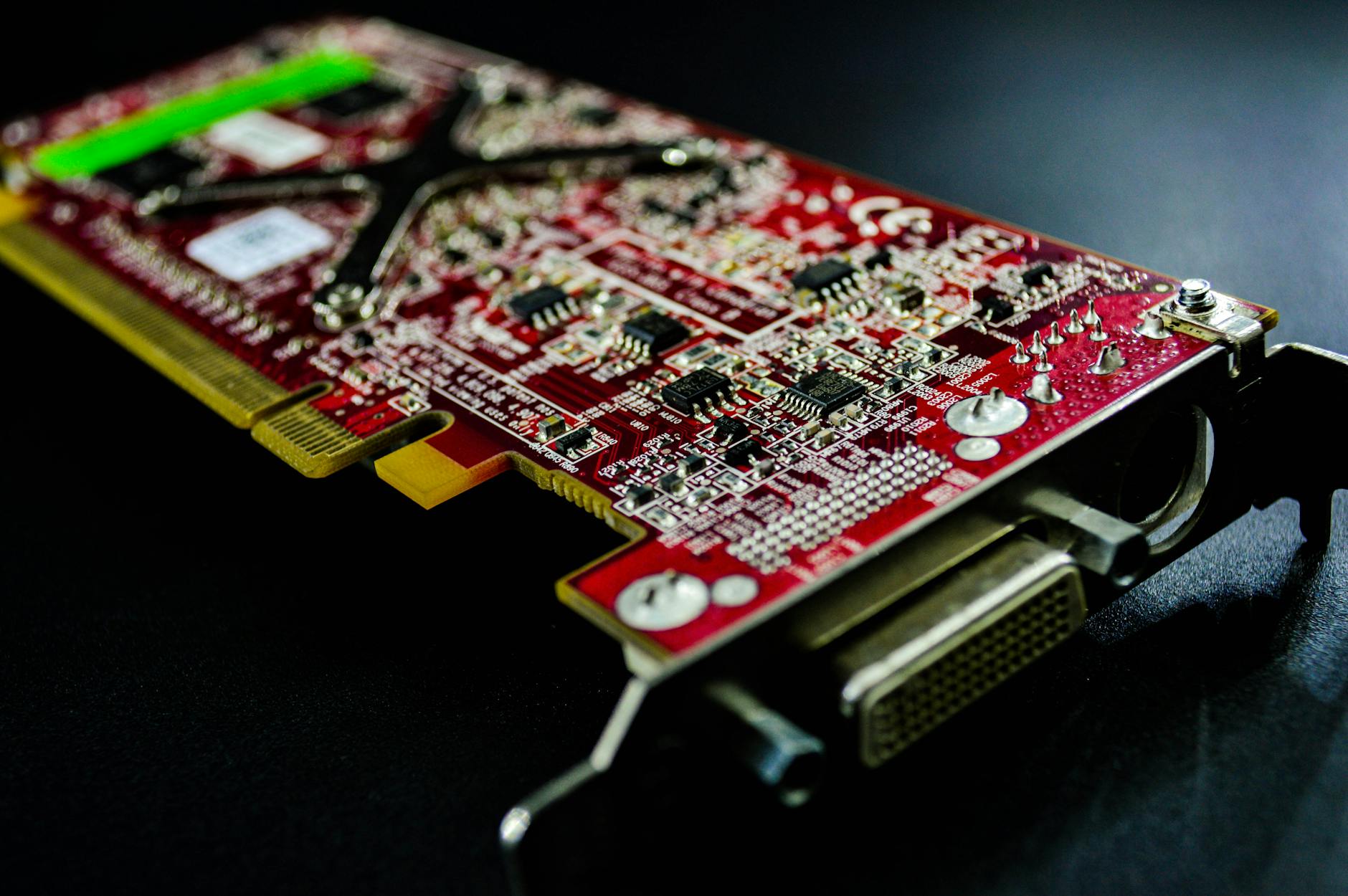
The heart of the RTX 5090’s ray tracing prowess lies in its redesigned RT cores, which process light calculations up to 40% faster than the previous generation. These specialized processors handle the complex mathematical operations required for realistic lighting, reflections, and shadows in real-time.
NVIDIA’s engineers focused on optimizing the most performance-intensive ray tracing operations. Global illumination, which simulates how light bounces between surfaces naturally, previously required significant computational overhead. The new architecture processes these calculations more efficiently, allowing developers to implement full ray traced lighting without forcing players to choose between visual fidelity and smooth gameplay.
The improvements extend beyond raw processing power. Memory bandwidth optimizations ensure ray tracing data flows more efficiently between the GPU’s various components. This reduces bottlenecks that previously limited ray tracing performance, particularly in scenes with complex geometry or multiple light sources.
Game developers have responded enthusiastically to these performance gains. Studios report they can now implement ray traced features as standard options rather than premium settings reserved for high-end systems. This shift is already visible in upcoming releases, where ray tracing appears integrated into core lighting systems rather than added as an optional visual enhancement.
DLSS 4 Makes Ray Tracing Practical
NVIDIA’s latest DLSS iteration plays a crucial role in making ray tracing mainstream by delivering the performance headroom necessary for widespread adoption. DLSS 4 uses advanced AI algorithms to upscale lower resolution images while maintaining visual quality that often surpasses native resolution rendering.
The technology works particularly well with ray traced effects because it can intelligently reconstruct the complex lighting information that ray tracing produces. Previous upscaling methods struggled with ray traced reflections and shadows, often producing artifacts or reducing the visual impact. DLSS 4 preserves these subtle lighting details while boosting frame rates by 60-80% in many titles.
This performance multiplier transforms ray tracing from a luxury feature into a practical option for gamers with mid-range systems. Players can enable ray traced reflections, shadows, and global illumination while maintaining the smooth gameplay experience they expect. The result is visually stunning games that don’t require players to compromise on responsiveness or competitive performance.
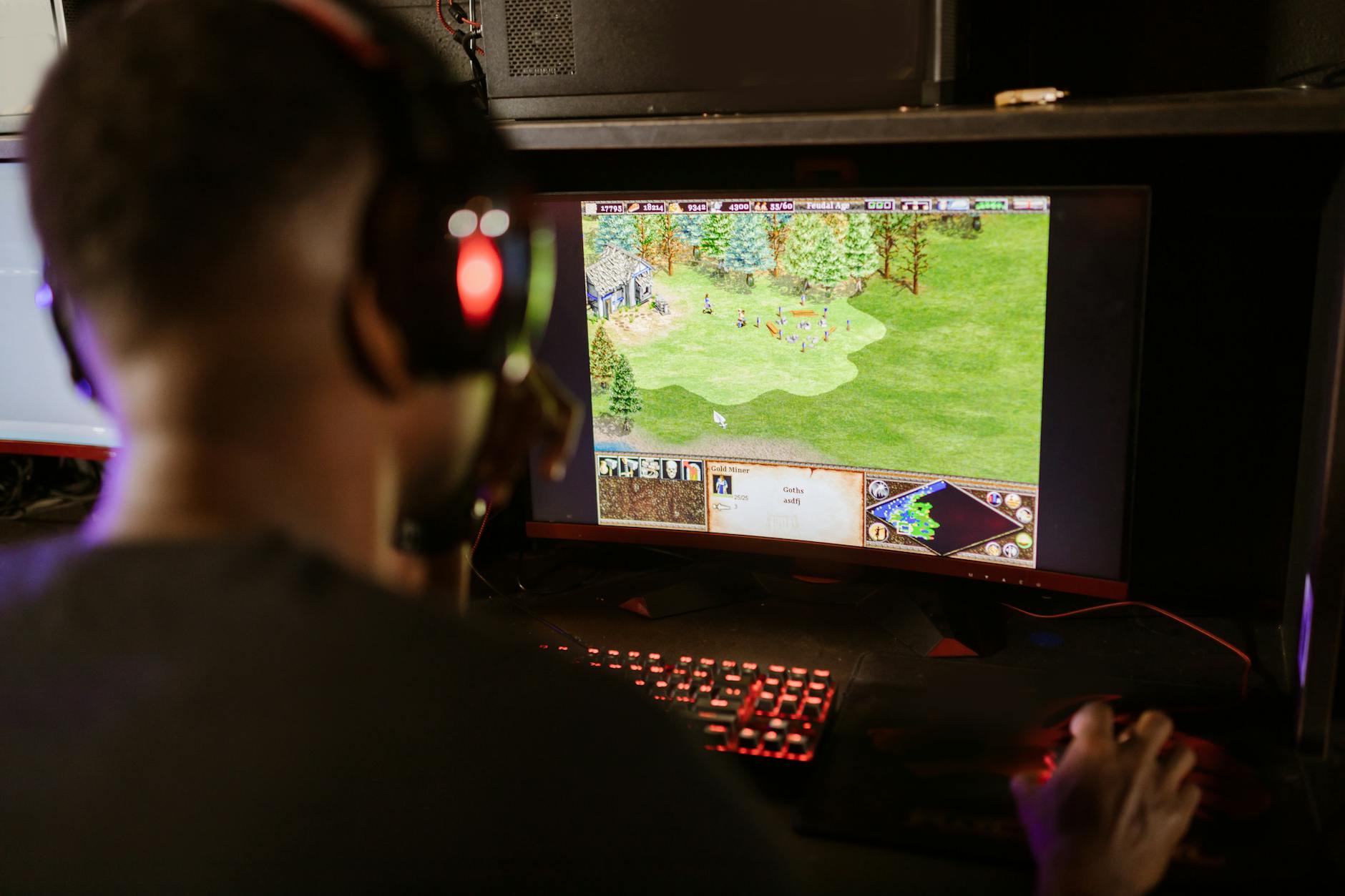
Professional game reviewers and content creators have praised DLSS 4’s ability to make ray tracing accessible. Popular YouTube channels and streaming platforms showcase ray traced gameplay that maintains competitive frame rates, demonstrating the technology’s readiness for mainstream adoption.
Game Studios Embrace Ray Tracing as Standard
Major game developers are restructuring their rendering pipelines to prioritize ray tracing support from the ground up. Epic Games has integrated ray traced features deeply into Unreal Engine 5, making it easier for studios to implement realistic lighting without extensive custom development work.
CD Projekt RED’s upcoming projects leverage ray tracing for core gameplay elements beyond visual enhancement. Their lighting artists use ray traced global illumination to create atmospheric storytelling moments that would be difficult to achieve with traditional rendering methods. This approach treats ray tracing as a creative tool rather than a performance burden.
Smaller independent studios benefit significantly from these developments. Ray tracing democratizes advanced lighting techniques that previously required large technical art teams and extensive optimization work. Indie developers can now achieve AAA-quality lighting effects using standardized ray tracing features, leveling the playing field for visual quality across different budget levels.
The competitive gaming community has also begun embracing ray tracing in specific scenarios. While many esports titles prioritize frame rates over visual fidelity, certain competitive games use ray traced audio positioning and environmental reflections to enhance gameplay information rather than pure aesthetics.
Industry-Wide Hardware Support Accelerates Adoption
AMD’s RDNA 3 architecture and Intel’s Arc GPUs provide ray tracing capabilities across different price points, creating a competitive environment that benefits consumers. This multi-vendor support encourages game developers to implement ray tracing features knowing they’ll reach broader audiences.
Console integration plays a crucial role in driving mainstream adoption. Both PlayStation 5 and Xbox Series X include dedicated ray tracing hardware, ensuring cross-platform games can implement consistent ray traced features across PC and console versions. This unified approach simplifies development and guarantees ray tracing support in major releases.
The hardware requirements for meaningful ray tracing performance have decreased substantially. Graphics cards in the $400-600 range now deliver playable ray traced experiences in most current games. This price point brings ray tracing within reach of mainstream gaming budgets rather than requiring enthusiast-level hardware investments.
Looking Forward: Ray Tracing as Gaming Standard
Ray tracing’s transition from premium feature to standard expectation mirrors previous graphics advancements like texture mapping and anti-aliasing. Industry analysts predict that ray traced lighting will become as fundamental to modern games as high-resolution textures or surround sound.
The next wave of game engines will likely assume ray tracing availability, optimizing their rendering architectures around real-time ray traced effects. This shift will enable more sophisticated lighting scenarios and visual storytelling techniques that take advantage of physically accurate light behavior.
As streaming and content creation continue growing, ray traced visuals provide creators with more compelling gameplay footage and screenshots. The technology’s mainstream adoption ensures that gaming content maintains visual competitiveness across different platforms and audiences.
The RTX 5090 represents a pivotal moment where ray tracing performance finally matches mainstream gaming expectations, setting the stage for a new era of visually stunning and technically sophisticated gaming experiences.
Frequently Asked Questions
How much faster is RTX 5090 ray tracing compared to previous generation?
The RTX 5090’s RT cores process ray tracing calculations up to 40% faster than the previous generation, with DLSS 4 providing additional 60-80% performance gains.
Can the RTX 5090 run ray tracing at 4K resolution?
Yes, early benchmarks show the RTX 5090 maintaining 60+ FPS in demanding ray traced games at 4K resolution with full ray tracing enabled.