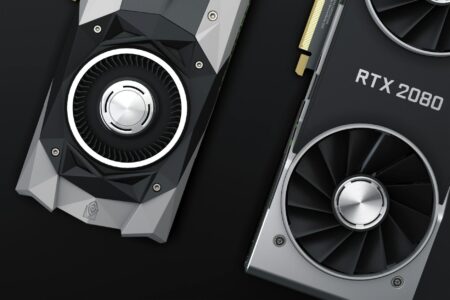




The NVIDIA RTX 4060 has quietly revolutionized affordable gaming, making 4K resolution accessible to mainstream PC builders for the first time. Previously reserved for enthusiasts with thousand-dollar budgets, 4K gaming now costs less than many gaming laptops, thanks to smart architectural improvements and aggressive pricing strategies.
The RTX 4060 launched at $299, positioning itself as the democratizing force in high-resolution gaming. Unlike previous generation cards that required premium pricing for 4K capabilities, this GPU delivers playable framerates at 3840×2160 resolution across most modern titles. Early adopters report consistent 45-60 FPS performance in demanding games like Cyberpunk 2077 and Elden Ring when paired with DLSS upscaling technology.
This accessibility shift represents more than just better hardware – it signals a fundamental change in how the PC gaming market approaches resolution standards. Major retailers report RTX 4060 sales outpacing previous generation cards by significant margins, with 4K monitor sales increasing correspondingly.
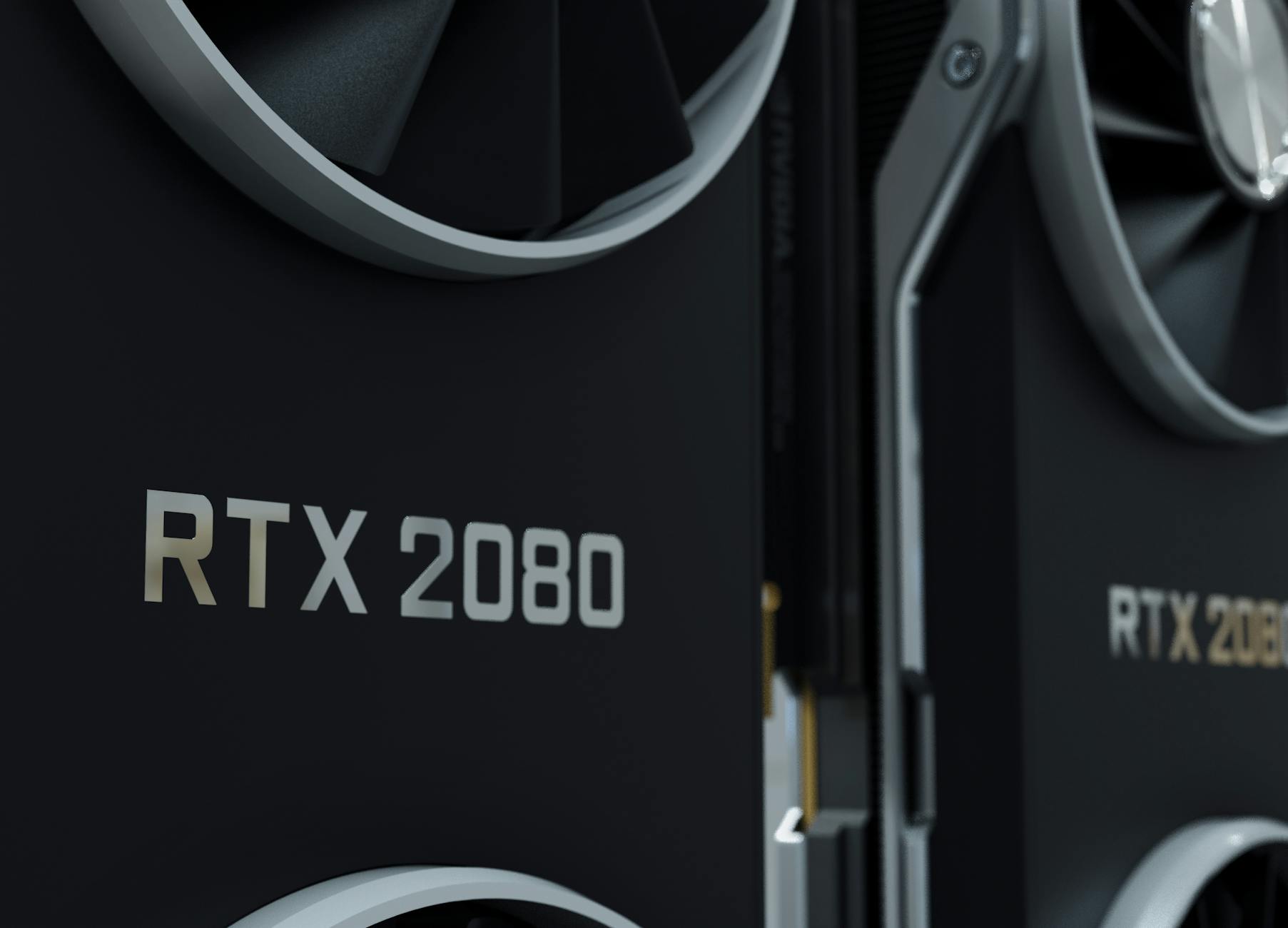
Performance Breakthrough Makes 4K Viable
The RTX 4060’s architecture delivers surprising 4K performance through several key improvements. The card features enhanced RT cores for better ray tracing efficiency and updated streaming multiprocessors that handle high-resolution workloads more effectively than previous budget options.
Real-world testing reveals the RTX 4060 maintains playable framerates in most AAA titles at 4K resolution. Games like Forza Horizon 5 and Microsoft Flight Simulator achieve 50-65 FPS with high settings, while competitive titles like Valorant and Apex Legends easily exceed 80 FPS. The card’s 8GB GDDR6X memory configuration provides sufficient bandwidth for 4K textures without the stuttering issues that plagued earlier budget cards.
DLSS 3 integration proves crucial for 4K viability. The technology reconstructs higher resolution images from lower-resolution inputs, effectively boosting performance by 40-60% in supported titles. Over 300 games now support DLSS, including recent releases and popular esports titles. Frame generation technology creates intermediate frames between rendered ones, smoothing gameplay even when base framerates dip below optimal levels.
Power efficiency improvements make the RTX 4060 practical for mainstream builds. The card’s 115W total graphics power requirement means most 650W power supplies can handle it comfortably, eliminating the need for expensive PSU upgrades. This efficiency translates to lower electricity costs and reduced heat generation, making 4K gaming viable in smaller cases and quieter systems.
Market Impact and Pricing Revolution
The RTX 4060’s $299 launch price disrupted traditional GPU market segments. Previously, achieving consistent 4K performance required cards costing $600-800, placing the experience beyond most gamers’ budgets. This pricing breakthrough occurred through manufacturing improvements and architectural efficiency gains rather than cutting corner on features.
Competition from AMD’s Radeon offerings pushed NVIDIA toward aggressive pricing strategies. The RX 7600 XT provides similar 4K capabilities at comparable prices, creating genuine consumer choice in the affordable 4K segment. This competition benefits gamers through better value propositions and feature improvements across both manufacturers’ product lines.
Retailers report significant shifts in purchasing patterns following the RTX 4060’s availability. Budget-conscious builders previously focused on 1440p setups now consider 4K builds realistic options. System integrators offer complete 4K gaming PCs starting around $800-900, including the graphics card, which represents a 30-40% reduction from previous generation pricing.

The used graphics card market reflects this disruption. Older high-end cards like the RTX 3080 and RTX 3070 Ti experienced price drops as buyers opt for newer technology with warranty coverage and better efficiency. This creates opportunities for budget builders while accelerating adoption of current-generation features like DLSS 3 and AV1 encoding.
Software Optimizations and Game Developer Response
Game developers increasingly optimize titles for 4K resolution as the audience expands. Major releases now include 4K-specific graphics presets and DLSS integration at launch rather than post-release patches. This developer support ensures RTX 4060 users access optimized experiences from day one.
DLSS technology continues evolving with regular driver updates that improve performance in existing titles. NVIDIA’s partnerships with game studios ensure broad support across genres, from fast-paced shooters to visually demanding single-player adventures. The technology’s maturation makes 4K gaming reliable rather than experimental for mainstream users.
Windows 11 and graphics driver improvements optimize system-level 4K performance. Updated display scaling reduces desktop lag, while DirectX 12 Ultimate features enable more efficient GPU utilization. These software improvements complement hardware capabilities, ensuring smooth experiences beyond just gaming performance.
Streaming and content creation features benefit from 4K capabilities. The RTX 4060’s AV1 encoding enables efficient 4K streaming to platforms supporting the format, while productivity applications leverage GPU acceleration for video editing and 3D rendering tasks. This versatility makes the card valuable beyond gaming applications.
Building Affordable 4K Gaming Systems
Complete 4K gaming builds around the RTX 4060 cost significantly less than previous alternatives. A typical system includes a mid-range CPU like the AMD Ryzen 5 7600 or Intel Core i5-13400, 16GB DDR4 memory, and a quality 650W power supply. These components provide balanced performance without bottlenecking the graphics card.
Monitor selection impacts the overall 4K gaming experience. Budget 4K displays start around $250-300, offering 60Hz refresh rates suitable for most gaming scenarios. Higher refresh rate 4K monitors remain expensive, but the RTX 4060’s performance makes standard 4K displays viable options for most users.
Storage considerations become important for 4K gaming. Modern titles with 4K textures require substantial storage space, making 1TB SSDs practically necessary. Fast NVMe drives reduce loading times and provide smoother texture streaming, complementing the graphics card’s capabilities.
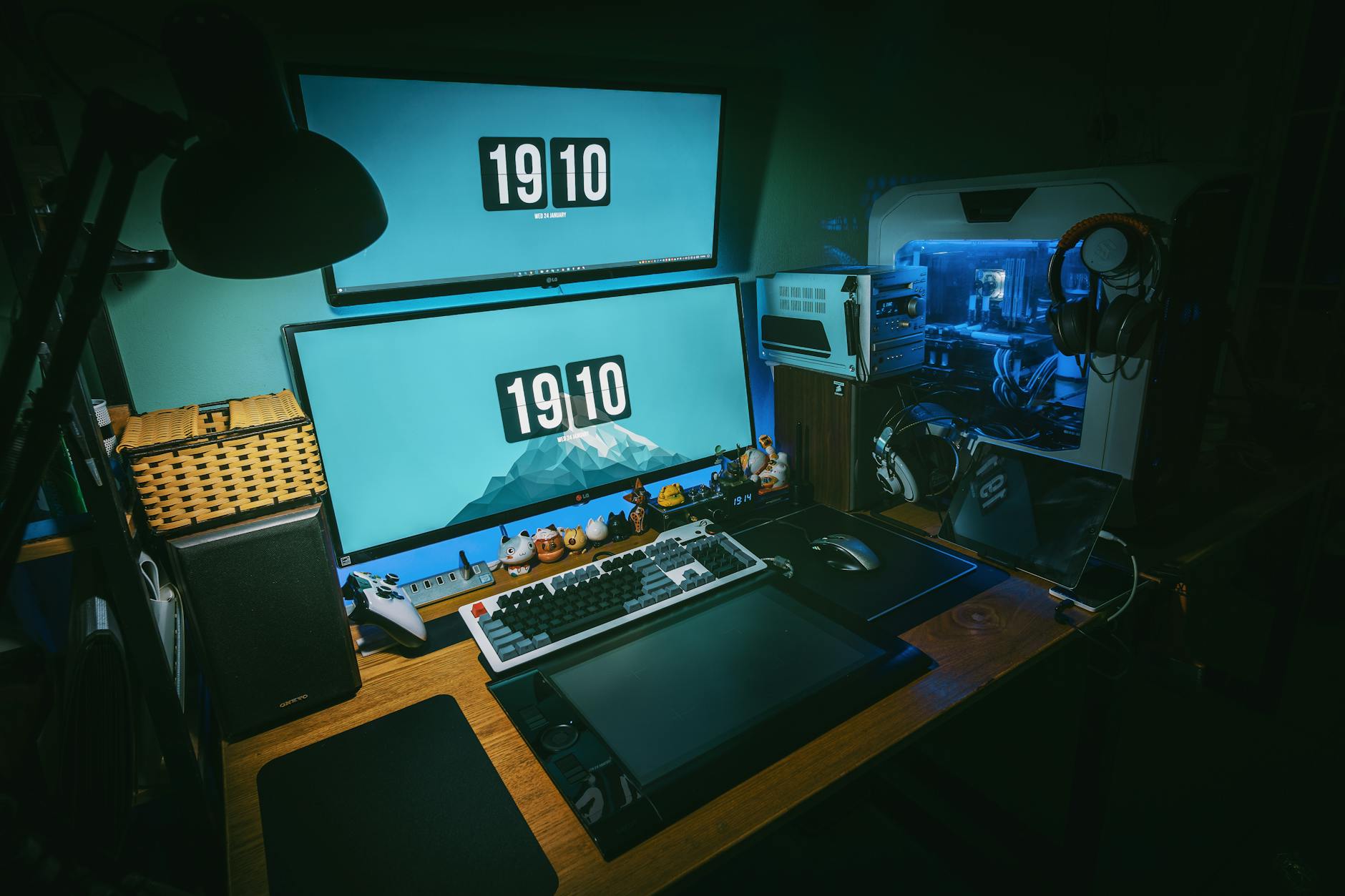
System builders should consider future upgrade paths when selecting components. The RTX 4060’s PCI Express 4.0 interface and standard power requirements ensure compatibility with future motherboard and PSU upgrades. This forward compatibility protects the investment as other system components require updates.
The Future of Accessible High-Resolution Gaming
The RTX 4060’s success establishes 4K gaming as a mainstream expectation rather than enthusiast luxury. Industry analysts predict further price reductions as manufacturing scales improve and competition intensifies. Next-generation cards will likely target even higher performance levels at similar price points, pushing 4K gaming toward universal adoption.
Game development increasingly assumes 4K capabilities across target hardware. This assumption drives optimization improvements and ensures better experiences for all users, regardless of resolution preferences. The expanded 4K user base justifies development resources dedicated to high-resolution optimization.
The RTX 4060 represents a inflection point where advanced gaming features become accessible to mainstream audiences. Its combination of reasonable pricing, solid 4K performance, and modern features like DLSS 3 creates a template for future budget GPU releases. For gamers previously locked into 1080p or 1440p gaming, the path to 4K resolution finally offers genuine affordability without compromising on experience quality.
Frequently Asked Questions
Can the RTX 4060 handle 4K gaming?
Yes, the RTX 4060 delivers playable 45-60 FPS at 4K resolution in most modern games when using DLSS upscaling technology.
What’s the price of the RTX 4060?
The RTX 4060 launched at $299, making it the most affordable GPU capable of consistent 4K gaming performance.