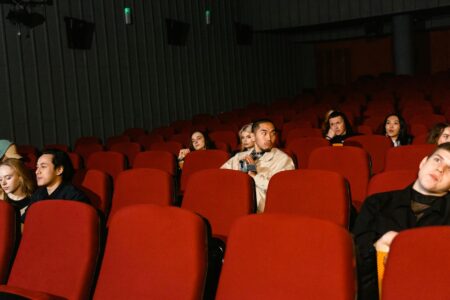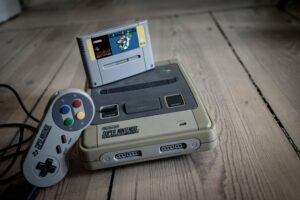

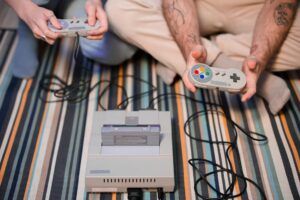


Forget trendy cocktail bars and overpriced coffee shops. The hottest social hangouts in cities like New York, Los Angeles, and Austin are places where you can sip craft beer while battling friends in Street Fighter II or team up for a round of Mario Kart 64. Retro gaming cafes are transforming how urban millennials and Gen Z socialize, creating spaces where nostalgia meets community in ways traditional nightlife never could.
These venues combine classic arcade games, vintage consoles, and food service into hybrid entertainment spaces that are drawing crowds tired of scrolling through phones at regular bars. Unlike the isolated gaming experience of modern home consoles or mobile games, retro gaming cafes are built around shared experiences and face-to-face interaction.
The Rise of Analog Gaming in Digital Cities
Retro gaming cafes are multiplying across major metropolitan areas as entrepreneurs recognize a growing hunger for tangible, social gaming experiences. Places like Barcade in New York and Ground Kontrol in Portland pioneered the concept, but now similar venues are opening monthly in cities from Chicago to Seattle.
The appeal lies in their ability to combine several social needs into one experience. Traditional bars offer drinks and conversation, but retro gaming cafes add competitive play, shared challenges, and built-in conversation starters. A stranger becomes a teammate when you’re both trying to beat Teenage Mutant Ninja Turtles, and friendly rivalries form naturally around high scores on Galaga or Pac-Man.
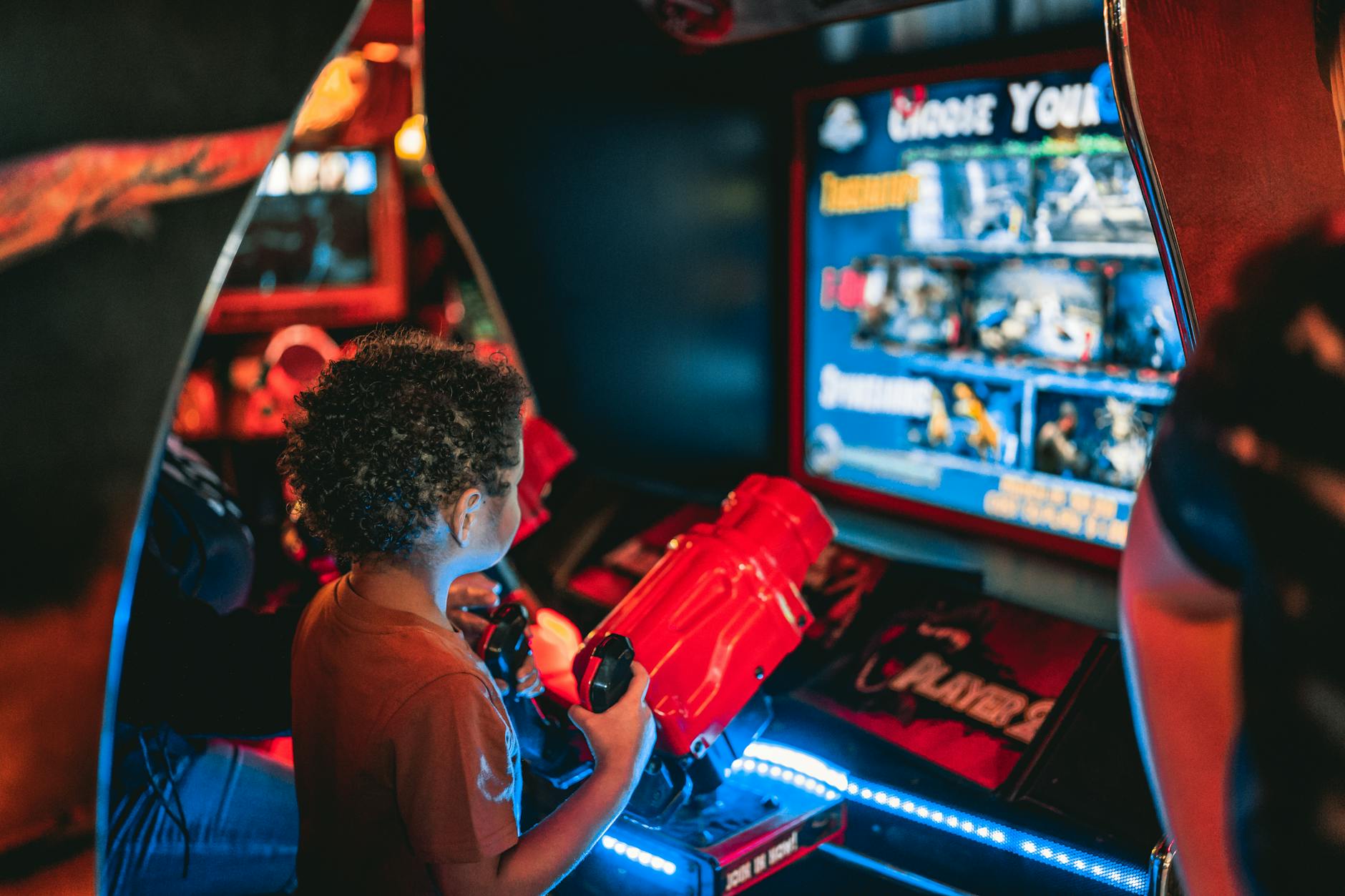
These spaces typically feature rows of original arcade cabinets from the 1980s and 1990s, console gaming stations with systems like Nintendo 64 and Sega Genesis, and often pinball machines. The combination creates an environment where different generations can connect over games they remember from childhood or discover for the first time.
Community Building Through Competition
What sets retro gaming cafes apart from traditional entertainment venues is their natural ability to foster community. Regular tournaments, leagues, and events create recurring social structures that bring the same people together week after week. Many locations host fighting game tournaments that draw dedicated crowds, while others organize team-based events that encourage strangers to work together.
The competitive element serves as a social lubricant in ways that passive entertainment cannot. Unlike watching a movie or listening to a band, playing games requires active participation and creates shared moments of triumph and defeat. These emotional peaks and valleys become the foundation for genuine connections between strangers.
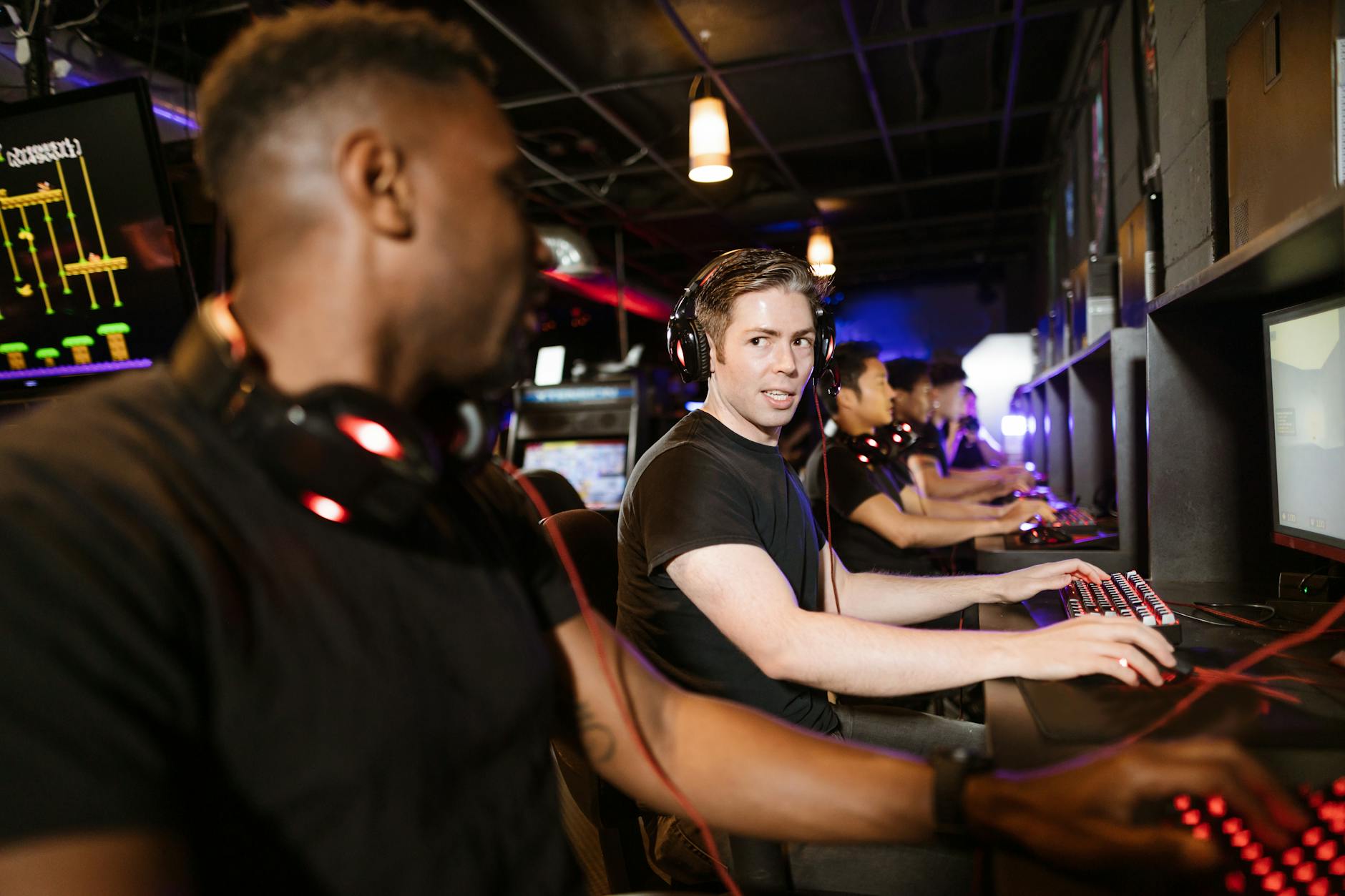
Many cafe owners report that their venues have become regular hangouts for friend groups, date night destinations, and even networking spaces for professionals in the gaming industry. The atmosphere encourages lingering in ways that traditional arcades never did, combining the social aspects of a neighborhood bar with the engagement of competitive gaming.
Economics of Nostalgia
The business model behind retro gaming cafes represents a clever solution to several economic challenges. Rising commercial rents in major cities make traditional arcade models difficult to sustain, but combining gaming with food and beverage service creates multiple revenue streams. Customers might spend two to four hours at a location, ordering multiple drinks and meals while they play.
The vintage gaming equipment, while requiring maintenance, often costs less than modern arcade machines and has proven lasting appeal. Games like Street Fighter II, Mortal Kombat, and classic shoot-em-ups continue to attract players decades after their initial release, providing predictable draw without the need for constant equipment updates.
Many venues also capitalize on private events, birthday parties, and corporate team-building activities. The unique combination of nostalgia, competition, and social interaction makes these spaces attractive for group celebrations in ways that traditional bars or restaurants cannot match.
Cultural Impact Beyond Gaming
Retro gaming cafes are influencing broader social trends by demonstrating alternatives to phone-focused socializing. These spaces explicitly encourage face-to-face interaction and shared physical experiences at a time when many young adults report feeling isolated despite constant digital connectivity.
The venues also serve as cultural preservation spaces, maintaining access to gaming history that might otherwise disappear as older consoles and arcade machines become harder to find. Young gamers who grew up with mobile games and modern consoles often discover appreciation for the simple mechanics and immediate social feedback of classic arcade games.
Like how gaming influencers are reshaping traditional entertainment, these physical spaces are reimagining how gaming culture manifests in real-world social settings. The success of retro gaming cafes suggests that despite increasing digitization, people still crave tangible, shared experiences.
The Future of Social Gaming Spaces
As retro gaming cafes prove their sustainability and popularity, the concept is likely to expand and evolve. Some venues are already experimenting with hybrid models that include modern games alongside classics, while others are adding live music, comedy shows, or other entertainment to create multi-purpose community spaces.
The success of these venues indicates a broader shift in how urban social spaces operate. Rather than offering single-purpose entertainment, the most successful new venues combine multiple activities and revenue streams while fostering genuine community connections.
Retro gaming cafes represent more than just a business trend – they demonstrate how physical spaces can successfully compete with digital entertainment by offering something screens cannot: authentic human connection through shared play. As cities continue to grapple with social isolation and the need for community gathering spaces, these gaming-centered venues provide a template for creating places where strangers become friends over shared joysticks and high scores.
Frequently Asked Questions
What makes retro gaming cafes different from regular bars?
They combine classic arcade games and vintage consoles with food and drinks, creating interactive social experiences that encourage face-to-face interaction.
How do retro gaming cafes make money?
They generate revenue through gaming fees, food and beverage sales, private events, tournaments, and corporate team-building activities.