




Microsoft’s cloud gaming service Xbox Game Pass Ultimate is finally breaking through the internet speed barriers that have kept rural gamers on the sidelines. After years of requiring rock-solid 20 Mbps connections that many countryside areas simply couldn’t provide, the tech giant has quietly rolled out infrastructure improvements and compression technologies that work with connections as low as 10 Mbps.
The shift represents a seismic change for millions of potential gamers who’ve watched urban players stream AAA titles while they’ve been stuck with whatever games they could afford to buy outright. Rural internet users, who make up roughly 21% of the American population according to the FCC, have historically been excluded from the cloud gaming revolution due to inconsistent broadband access and data caps that made streaming games financially impossible.
Infrastructure Upgrades Target Underserved Areas
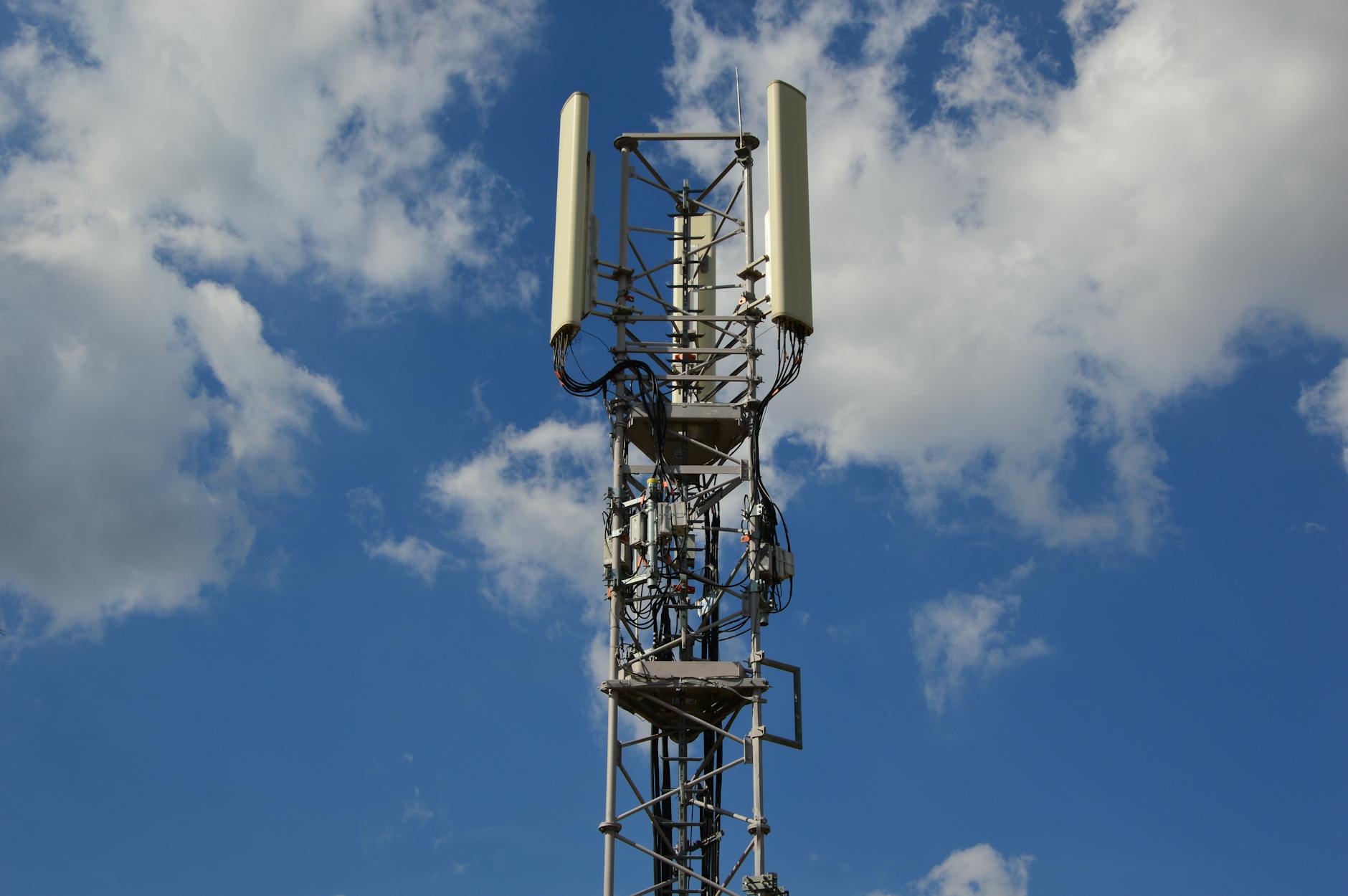
Microsoft’s Azure cloud infrastructure has expanded significantly over the past 18 months, with new server farms positioned strategically to reduce latency for rural users. The company has partnered with regional internet service providers to establish edge computing nodes that process game data closer to end users, cutting down the round-trip time that can make cloud gaming feel sluggish.
These improvements coincide with federal broadband expansion programs that have brought faster internet to previously underserved areas. The Infrastructure Investment and Jobs Act allocated billions for rural broadband, creating new opportunities for cloud gaming adoption in communities where it was previously unviable.
The technical advances go beyond just server placement. Microsoft has refined its compression algorithms to maintain visual quality while reducing bandwidth requirements. Games that previously demanded 20-25 Mbps now run smoothly on connections between 10-15 Mbps, opening cloud gaming to households with basic broadband packages.
Data caps remain a concern, but Microsoft has negotiated with several regional ISPs to offer gaming-specific data packages that don’t count cloud gaming against monthly limits. These partnerships, while limited in scope, signal a recognition that rural markets represent untapped potential for subscription services like Game Pass.
Adaptive Quality Technology Makes the Difference
The breakthrough technology behind rural cloud gaming adoption is Microsoft’s adaptive bitrate streaming, which automatically adjusts visual quality based on connection stability. During peak usage hours when rural networks often slow down, the system seamlessly reduces resolution and frame rate to maintain playable performance rather than dropping the connection entirely.
This approach contrasts sharply with earlier cloud gaming attempts that required consistent high-speed connections or failed entirely. Rural users report being able to play demanding titles like “Forza Horizon 5” and “Halo Infinite” during evening hours when their connections typically struggle with standard streaming video.
The system also prioritizes input responsiveness over visual fidelity, ensuring that controller commands register quickly even when the video stream needs to compress. This technical priority makes action games playable in ways that weren’t possible with earlier cloud gaming implementations.

Microsoft’s data shows that rural users are more likely to use cloud gaming for longer sessions once they start, suggesting that access rather than interest was the primary barrier. The average rural cloud gaming session lasts 2.3 hours compared to 1.8 hours for urban users, likely because rural gamers have fewer entertainment alternatives and are making the most of their gaming opportunities.
Economic Impact on Rural Gaming Communities
The expansion of cloud gaming to rural areas is creating new economic opportunities beyond just entertainment access. Local gaming communities that previously struggled to maintain relevant hardware can now compete in online tournaments and participate in gaming culture without significant upfront investment.
Rural streamers and content creators are finding new audiences as cloud gaming eliminates the barrier of expensive gaming setups. A farming family in Nebraska can now stream the latest Xbox exclusives with the same visual quality as urban creators, democratizing content creation opportunities that were previously limited by geography and economics.
The shift is particularly significant for younger rural residents who often feel disconnected from mainstream gaming culture. Access to the same games as their urban peers creates new social connections and reduces the cultural isolation that can drive young people away from rural communities.
Game Pass family sharing features have become especially popular in rural areas where household budgets are often tight and multiple family members want gaming access. The ability to share subscriptions across family accounts makes premium gaming affordable for households that couldn’t justify individual purchases of new releases.
Challenges and Future Expansion
Despite the progress, significant challenges remain for rural cloud gaming adoption. Weather-related internet outages still plague many rural areas, making cloud gaming unreliable during storms or harsh winter conditions when gaming sessions might otherwise peak. Unlike downloaded games that work offline, cloud gaming requires constant connectivity.
Data overage charges continue to be a concern for rural users on metered connections. While some ISPs have created gaming-specific packages, many rural internet plans still include restrictive data caps that make regular cloud gaming expensive. A typical three-hour gaming session can consume 4-6 GB of data, quickly exhausting monthly allowances.

Microsoft is reportedly working on offline caching technologies that would allow users to pre-download game assets during off-peak hours, reducing real-time bandwidth requirements. This hybrid approach could further expand access to areas with inconsistent but occasionally fast internet connections.
The success of rural cloud gaming expansion is already influencing Microsoft’s broader strategy. The company has increased investment in rural broadband partnerships and is exploring satellite internet integration with providers like Starlink to reach even more remote gaming communities.
As 5G networks slowly expand beyond urban centers, the potential for mobile cloud gaming in rural areas grows significantly. Microsoft’s Xbox mobile app already supports cloud gaming on smartphones and tablets, creating opportunities for gaming access even in areas where home broadband remains limited.
The transformation of rural cloud gaming from impossible to accessible represents a significant shift in how technology companies approach underserved markets. Microsoft’s success in this area is likely to accelerate similar efforts from competitors and expand gaming opportunities for millions of previously excluded users. The next challenge will be maintaining service quality as rural adoption increases and network demand grows accordingly.
Frequently Asked Questions
What internet speed do you need for Xbox cloud gaming in rural areas?
Microsoft’s improved technology now works with connections as low as 10 Mbps, down from the previous 20 Mbps requirement.
Does cloud gaming work during peak internet hours in rural areas?
Yes, adaptive quality technology automatically adjusts visual settings to maintain playable performance during slower evening hours.